
Moodboards part 1
Following the crit, my research at this point changed. I realised from presenting the above presentation slides I needed to identify my audience as there are too many ideas going on. The solution to my brief isn’t clear. My problem lies within the brief proposal: I’m not answering it. I introduced plants and sensory processing to inform my idea but it just didn’t work in relation to my brief “to provide an analogue tool that encourages and motivates a creative person to combat struggles with mental health. The tool will rekindle their passion for creating, and specifically steer away from the digital screen and software.” After speaking with Ben I have decided to go back to week 5/6 and revisit my approach, then I will re-do my moodboards.
Moodboards part 2
Moodboard 1: Social media challenges
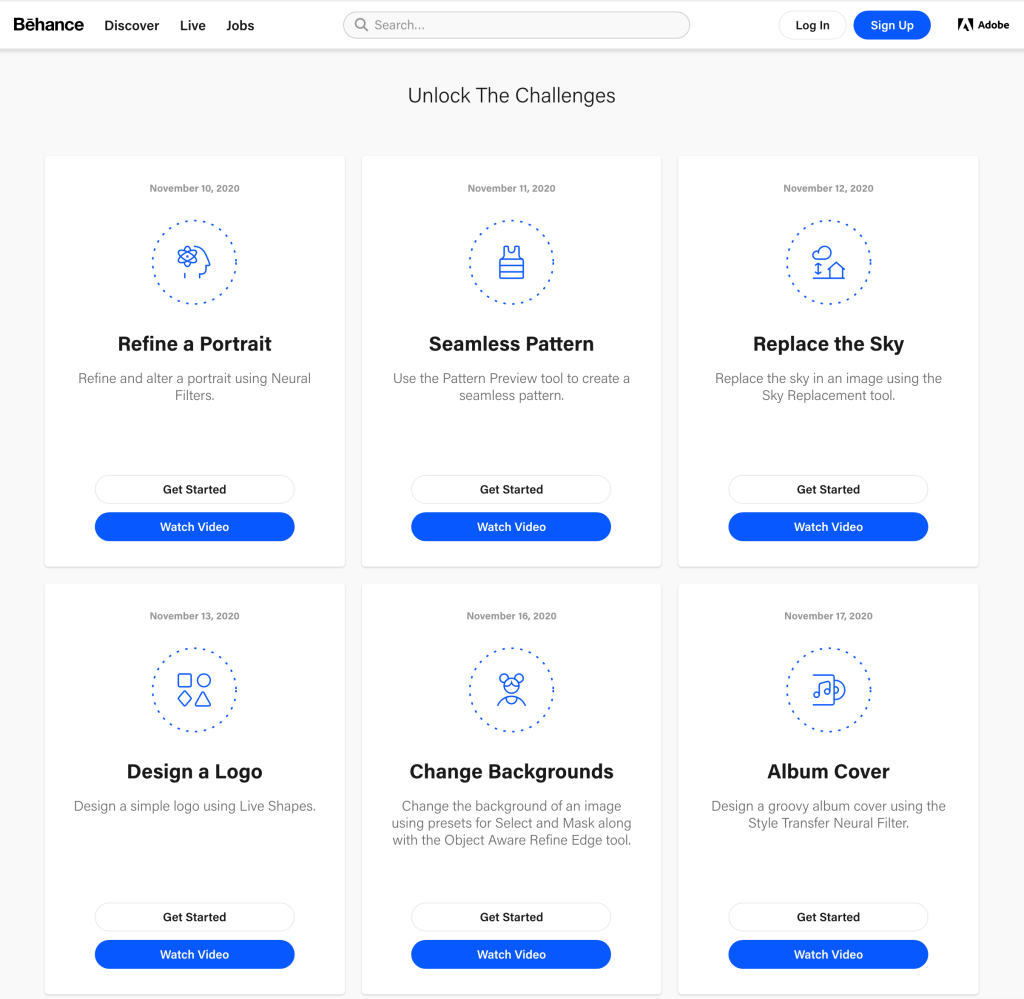
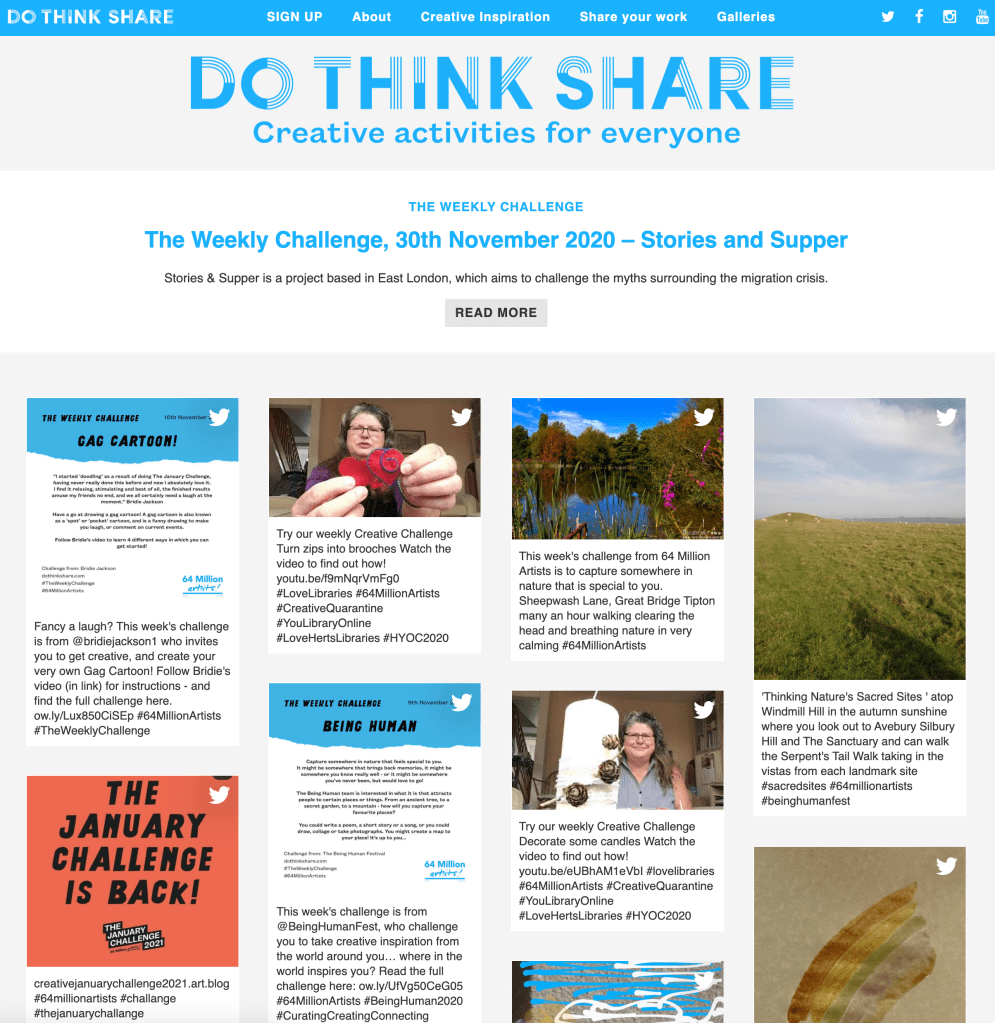
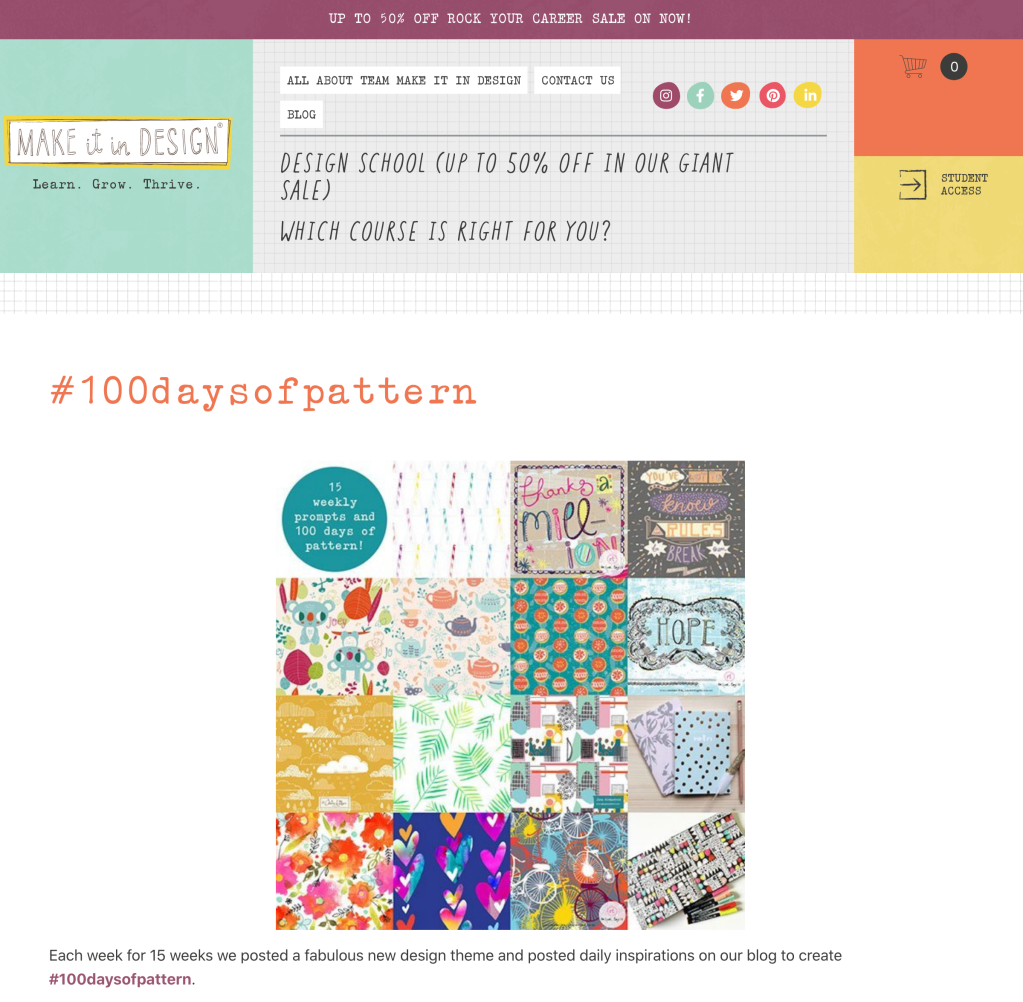
Lettering is huge on social media at the moment – at least that’s what I’ve found when I use Instagram for my own personal use. I am interested in lettering so I do follow plenty of accounts, but there always seems to be challenges on social media that high ranking creatives do to get followers/keep creative. I thought I’d explore some of the trends/sites that encourage these activities as they could be a good source of inspiration for some of my concepts in my workshop pack:
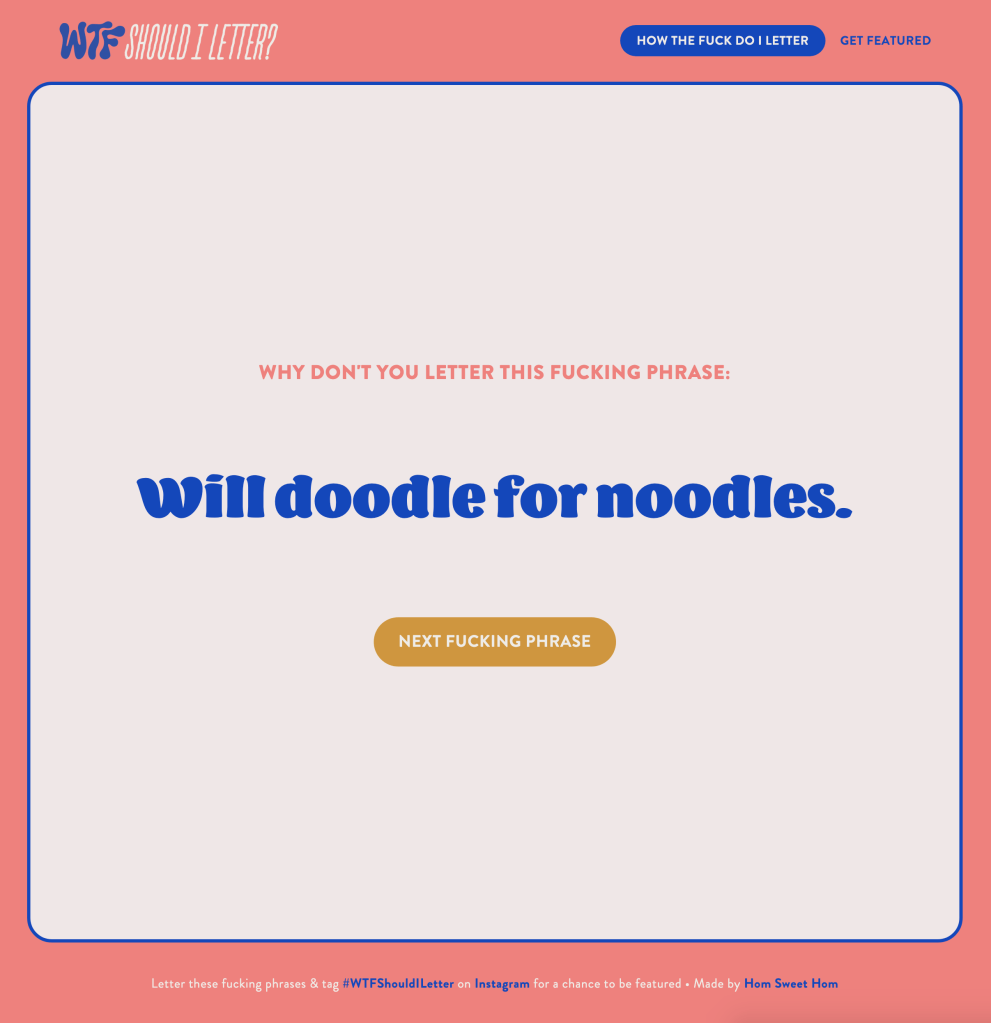
WTF should I letter? – this one I especially like as the prompt to create is so easy
Dribble weekly warm up challenges
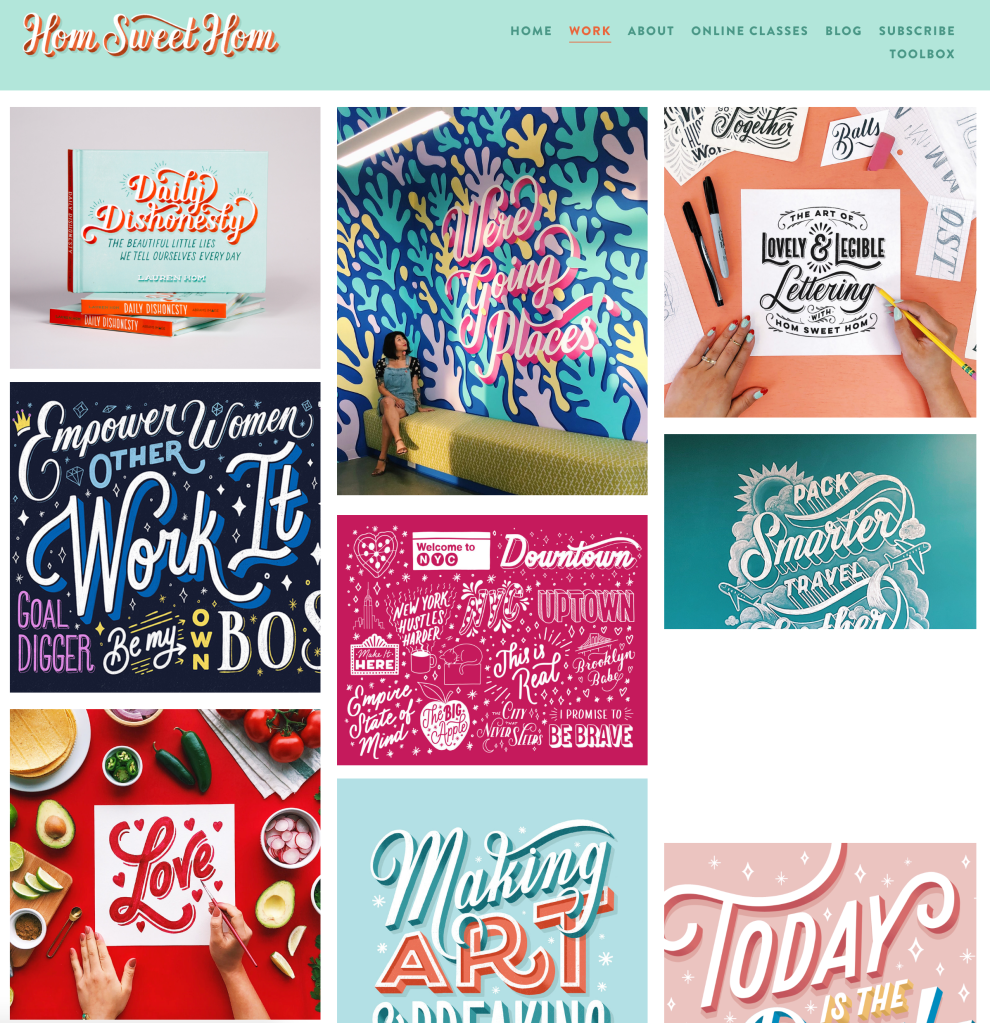
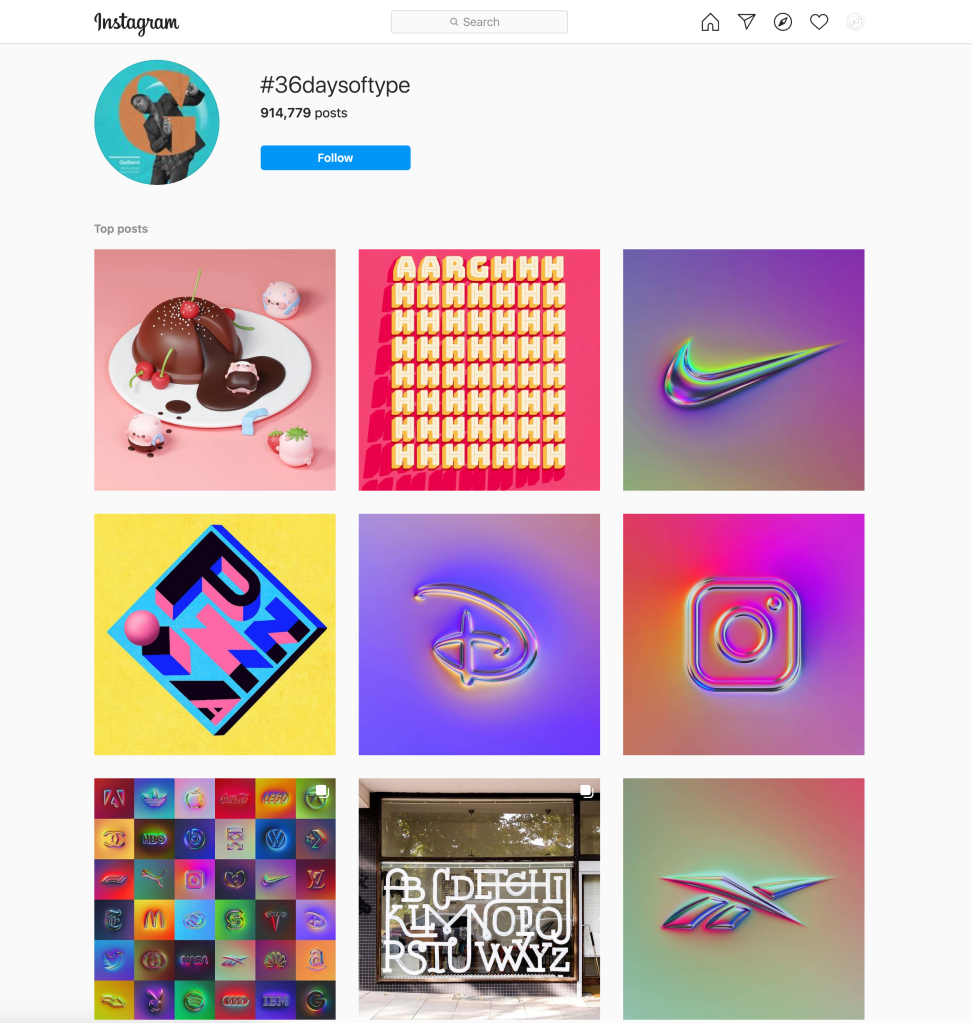
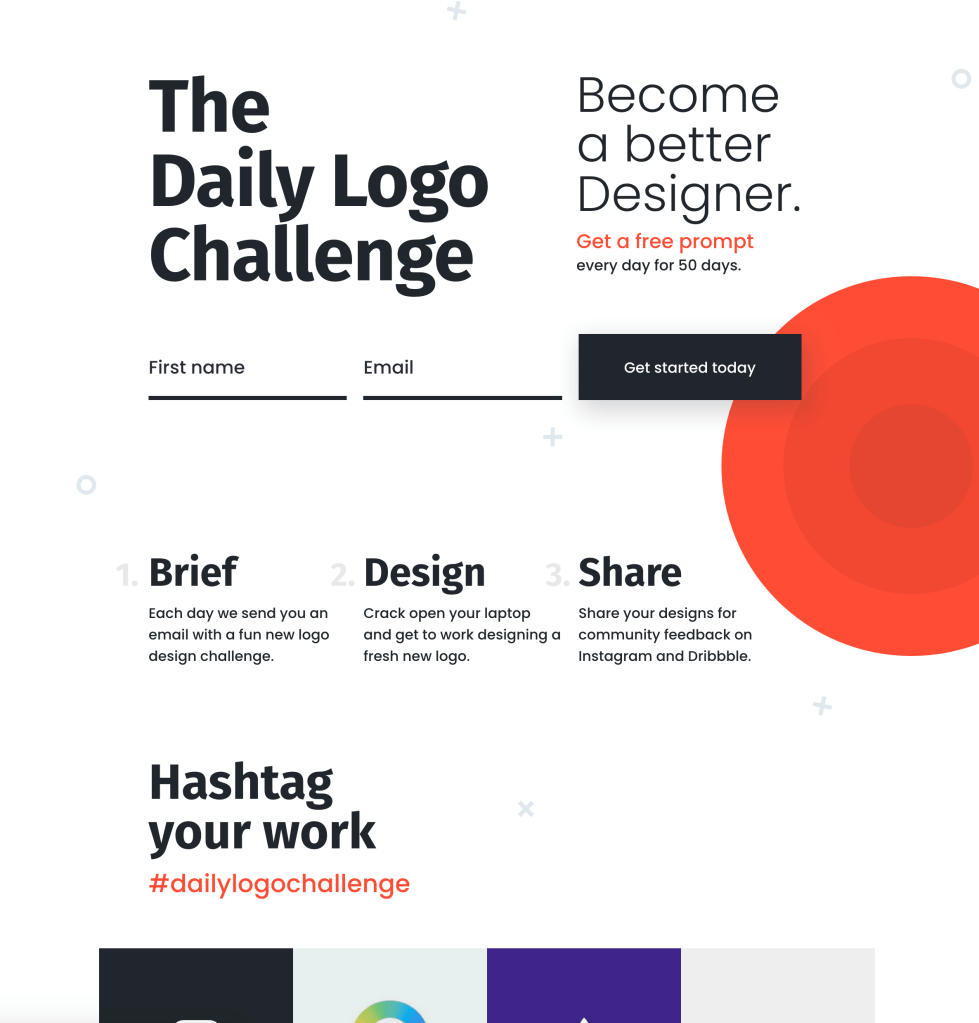
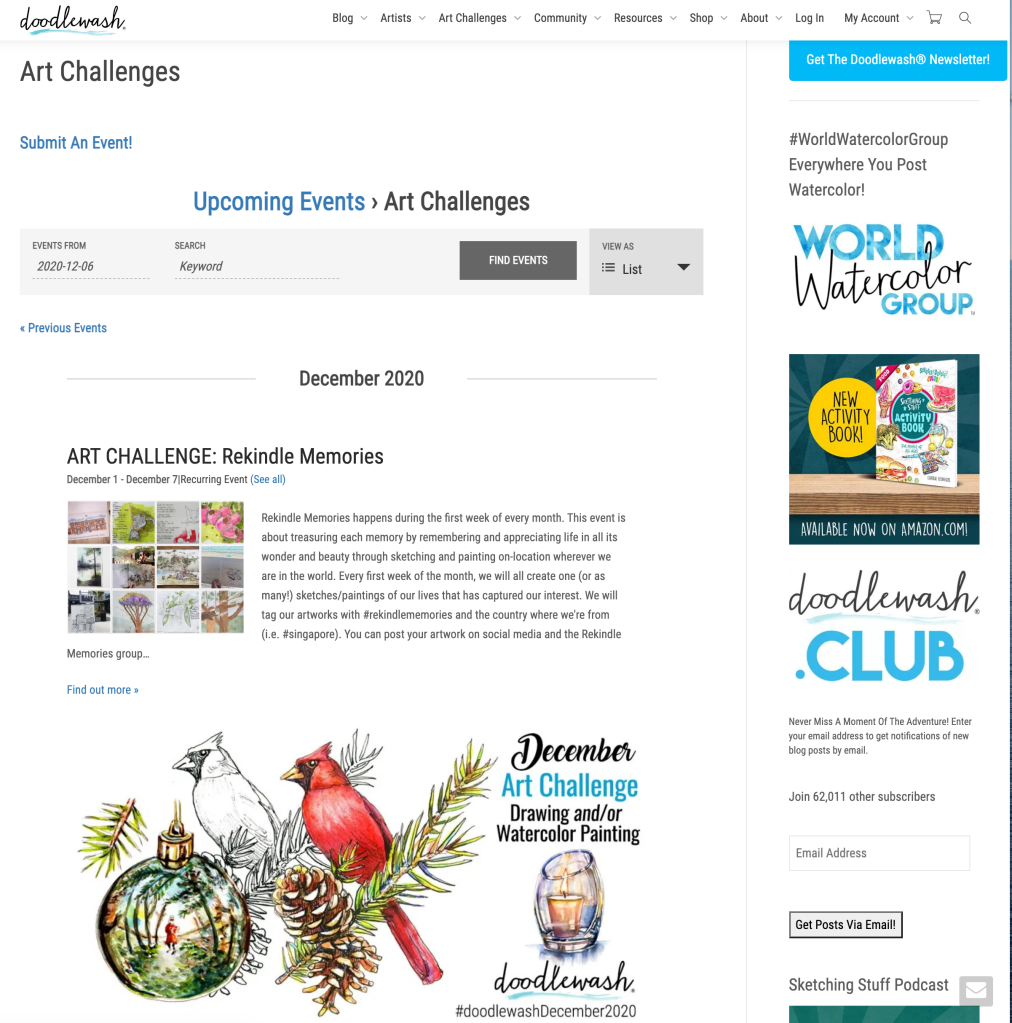
Moodboard 2: Collage
Skeuomorphism is also an interesting discovery in my research where the digital world tries to mimic textures from real life to create a sense of reality to the screen.
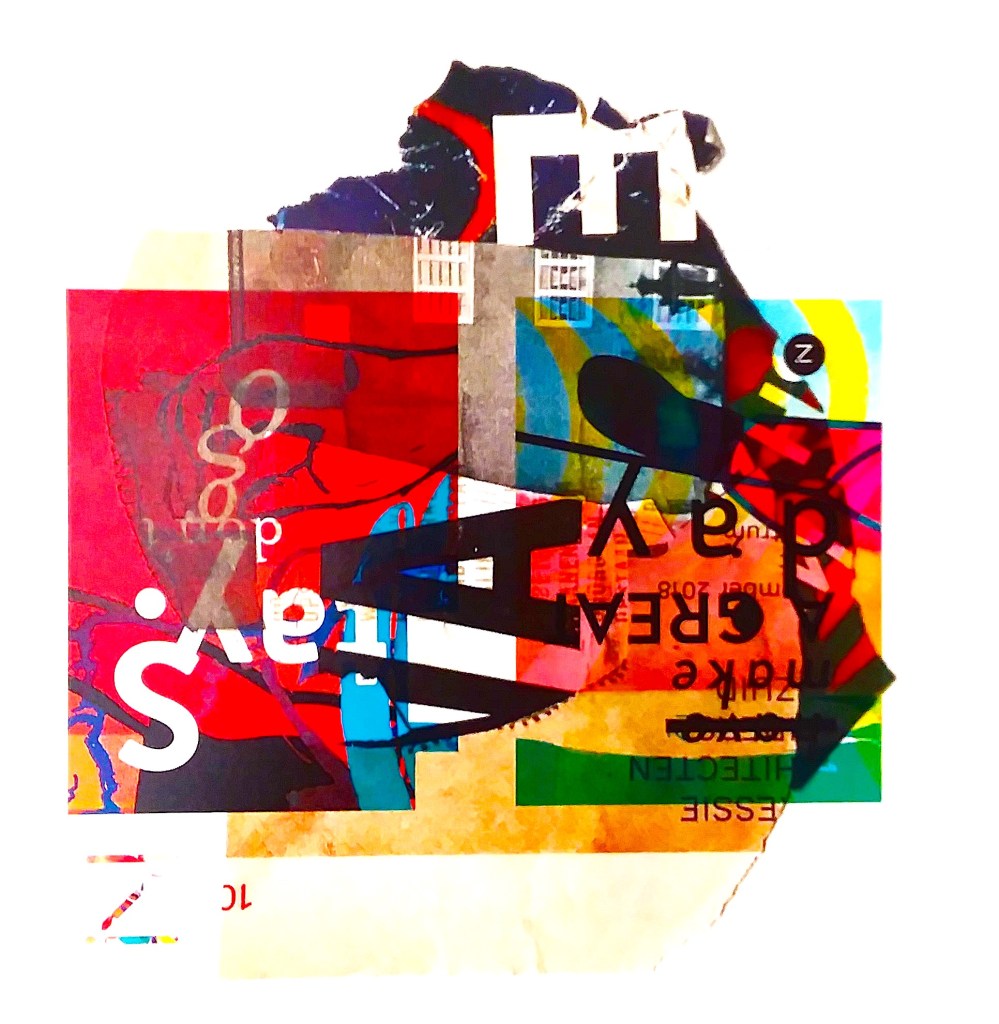
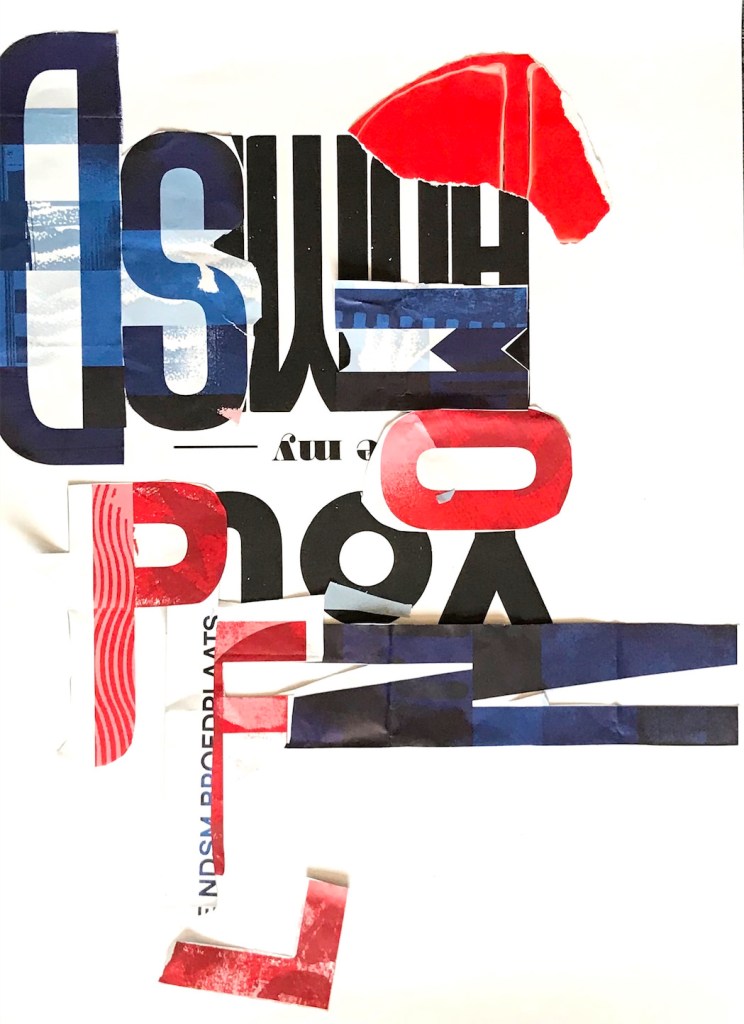
Thinking about the ‘Soft Futures’ talk in the reference material this week; how looking to old methods can be innovative so I want to explore Collage. The origin of collage dates back to the early 1900’s (Artland article) and was seen in many art styles to follow such as cubism, dada, surrealism and even pop art.
Trend: Modern Collage Art – Artists such as Selman Hosgor, 2017
DR.ME Studio / Cut That Out Contemporary Collage
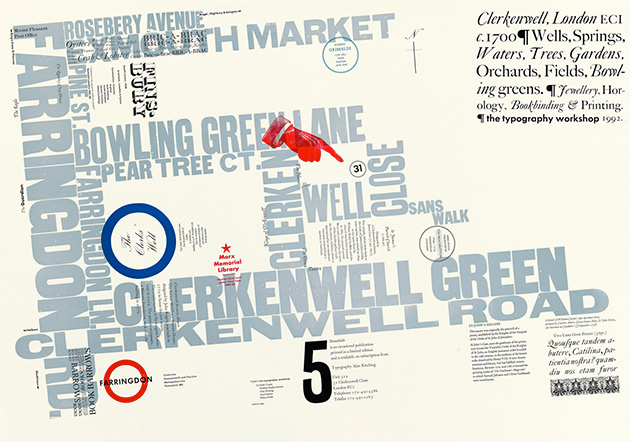
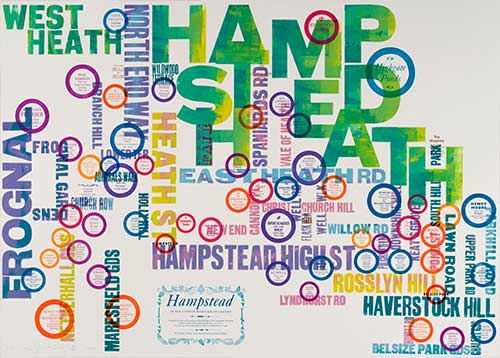
Alan Kitching – another article here and here and I also found that he ran a Typography Workshop himself
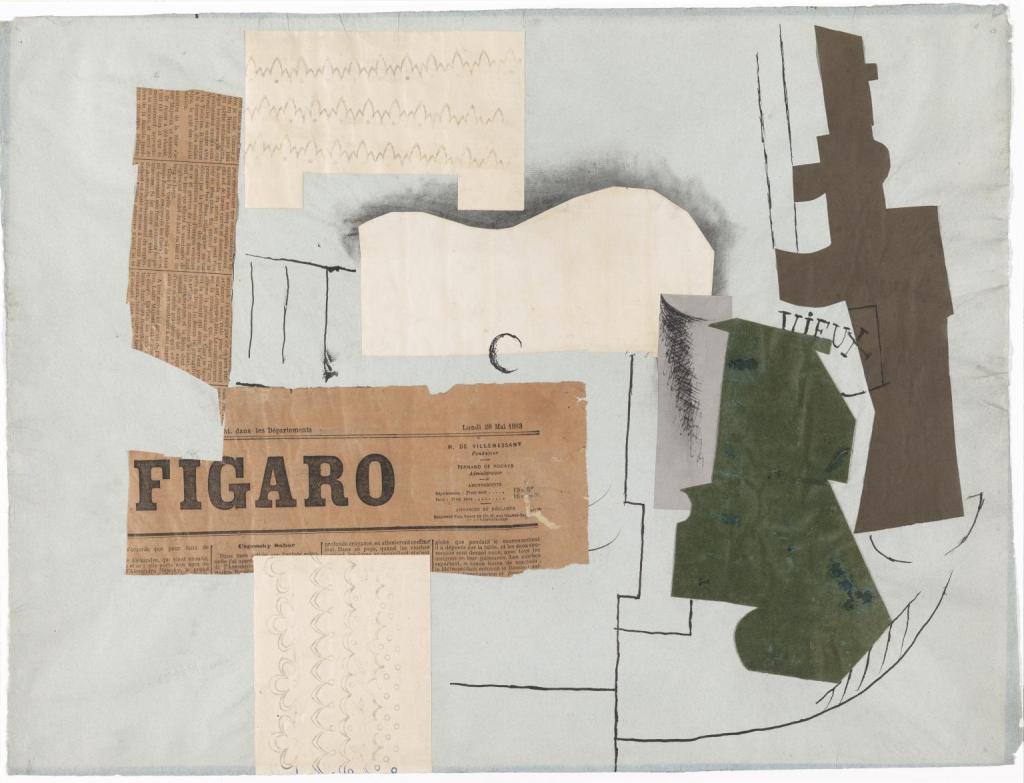
Picasso, 1913 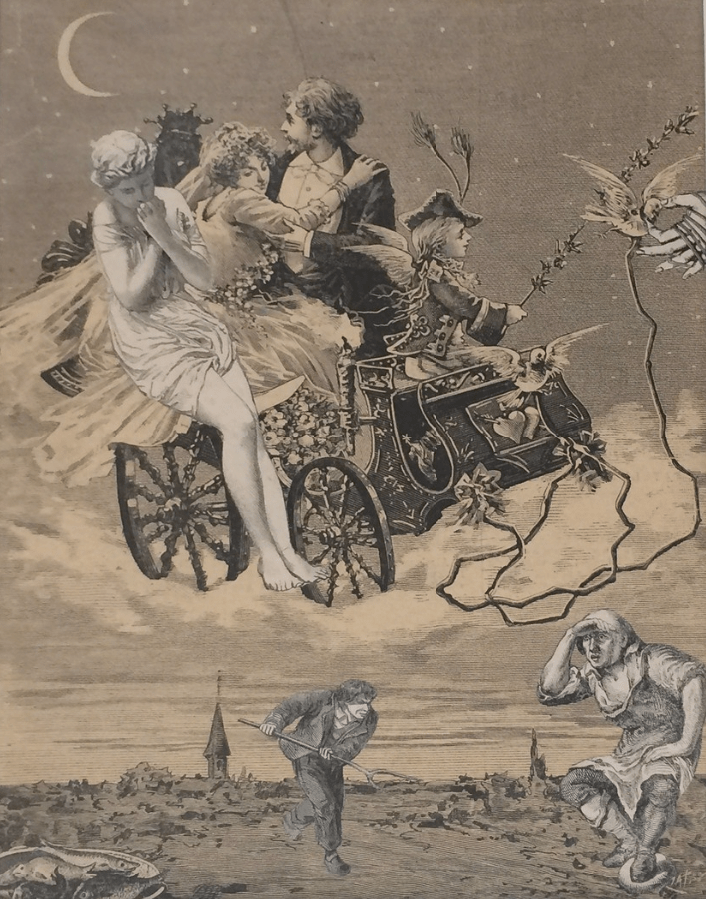
Ernst, 1929 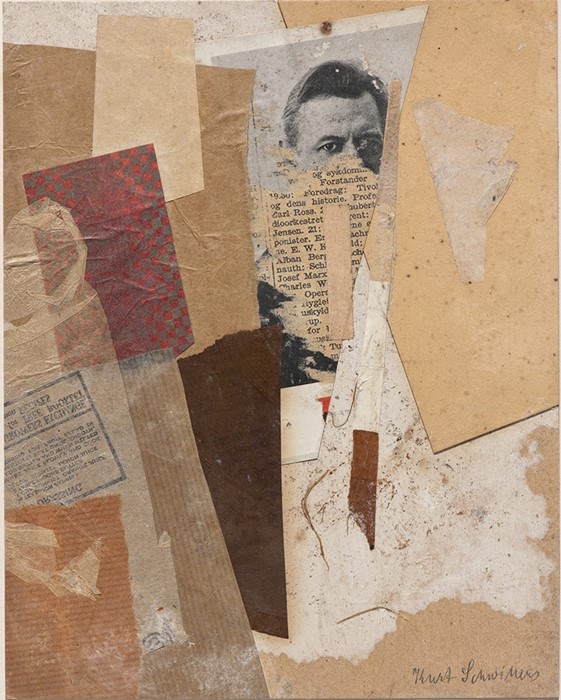
Schwitters, 1937-8 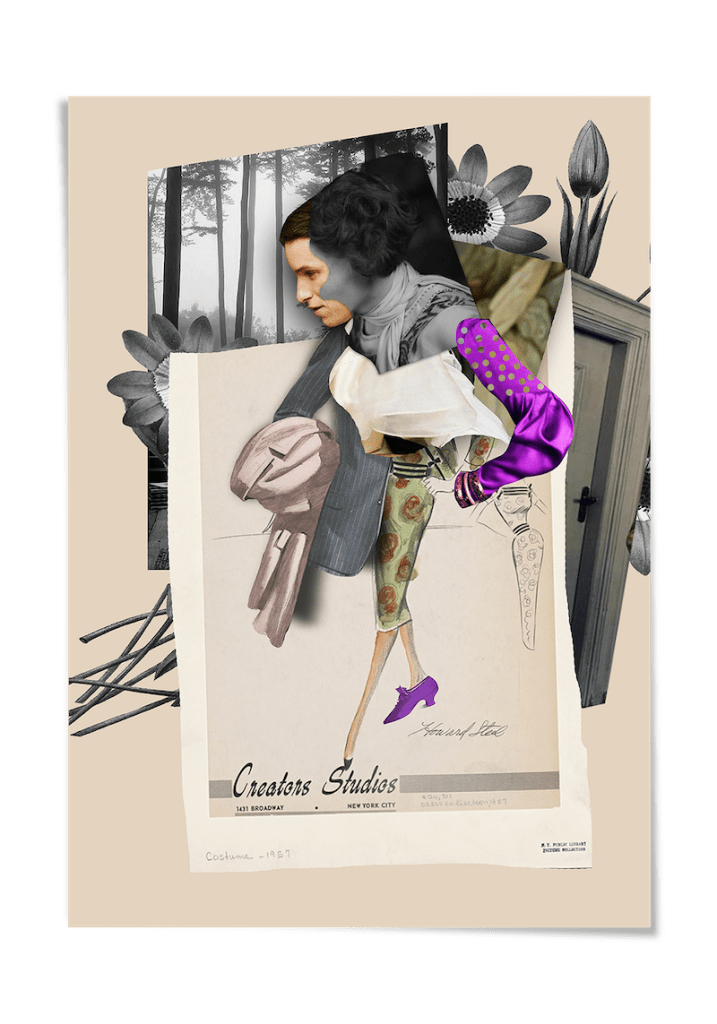
Hosgor, 2017 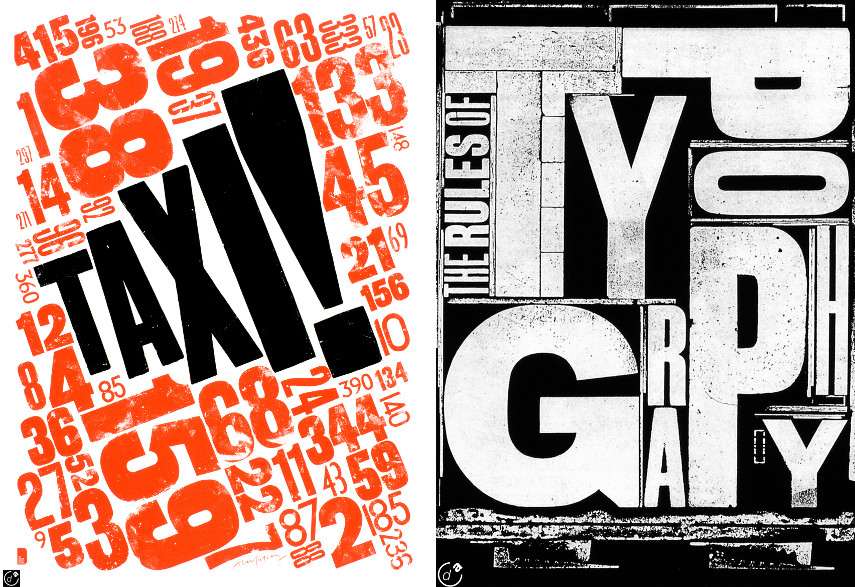
Moodboard 3: Typefaces
I thought it would be in interesting to start looking at the way design currently is in the world. I am interested in how different typefaces are when printed, in comparison to those on screens. I’m also interested in typefaces that look handmade and created with a collage inspired appearance. Letters that don’t match, wonky lettering etc. I have found an article that calls this type of typography ‘baseline fonts’ – here are some examples:
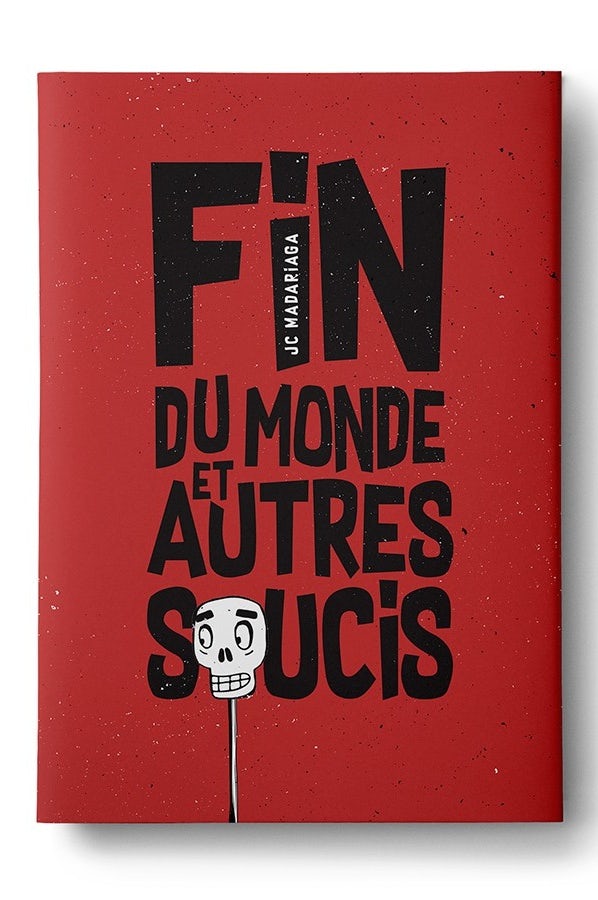
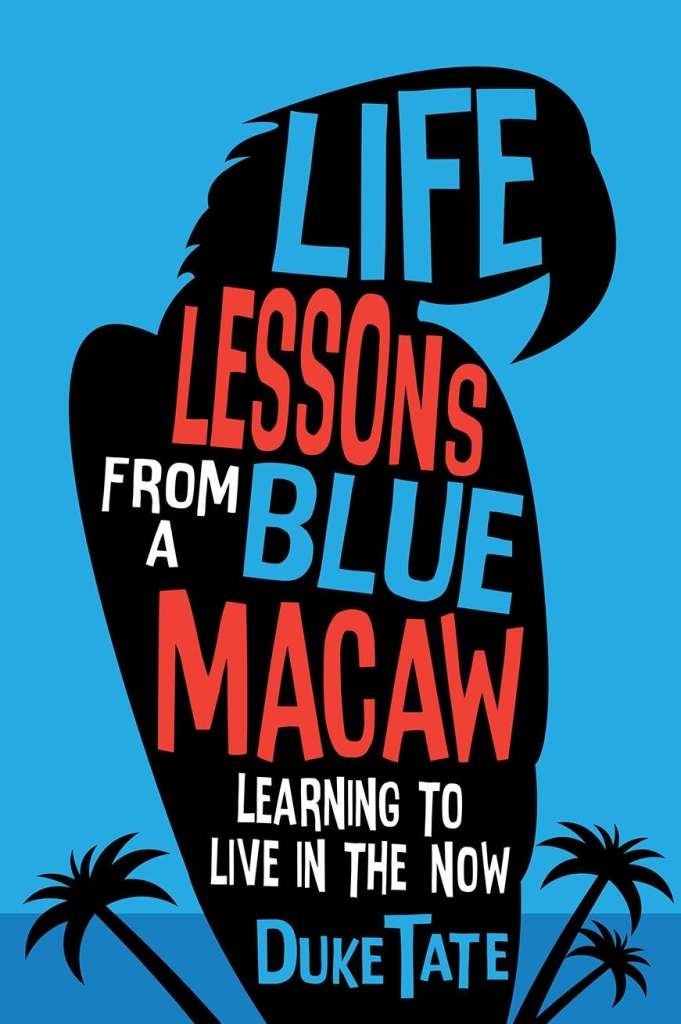
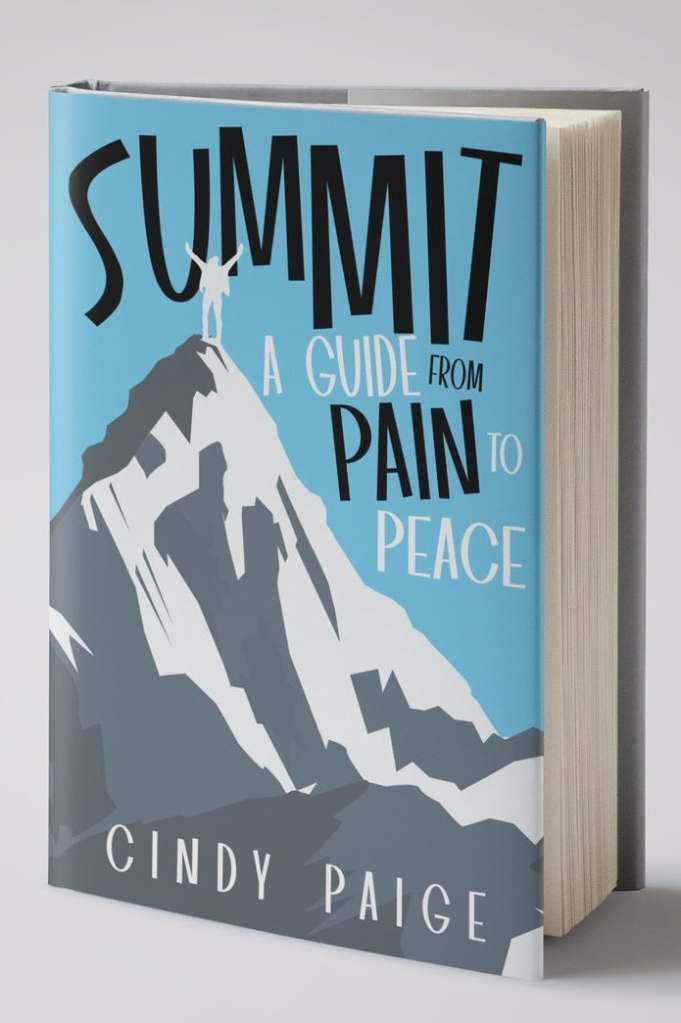
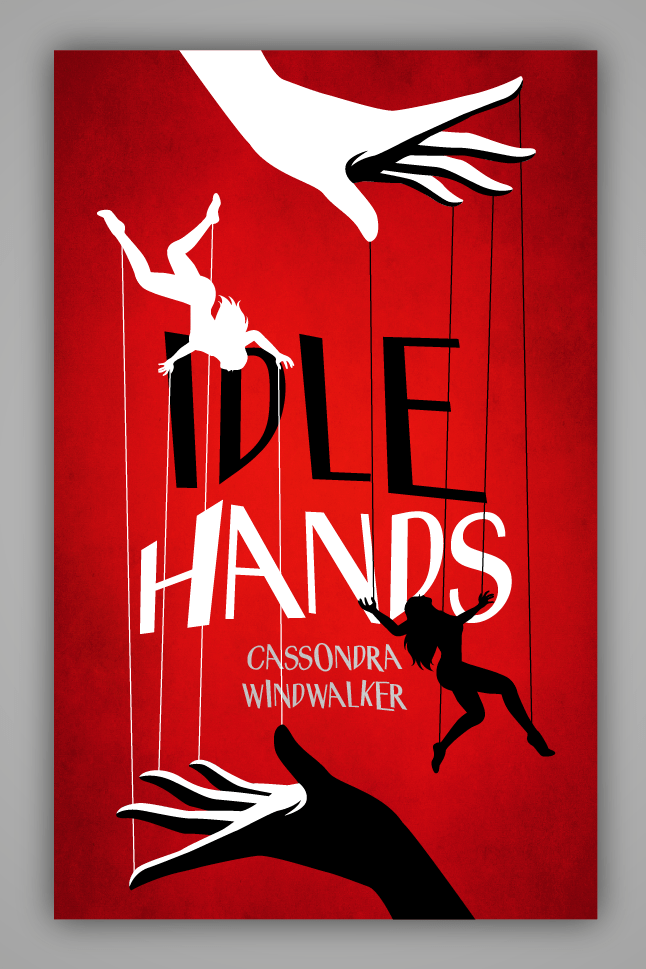
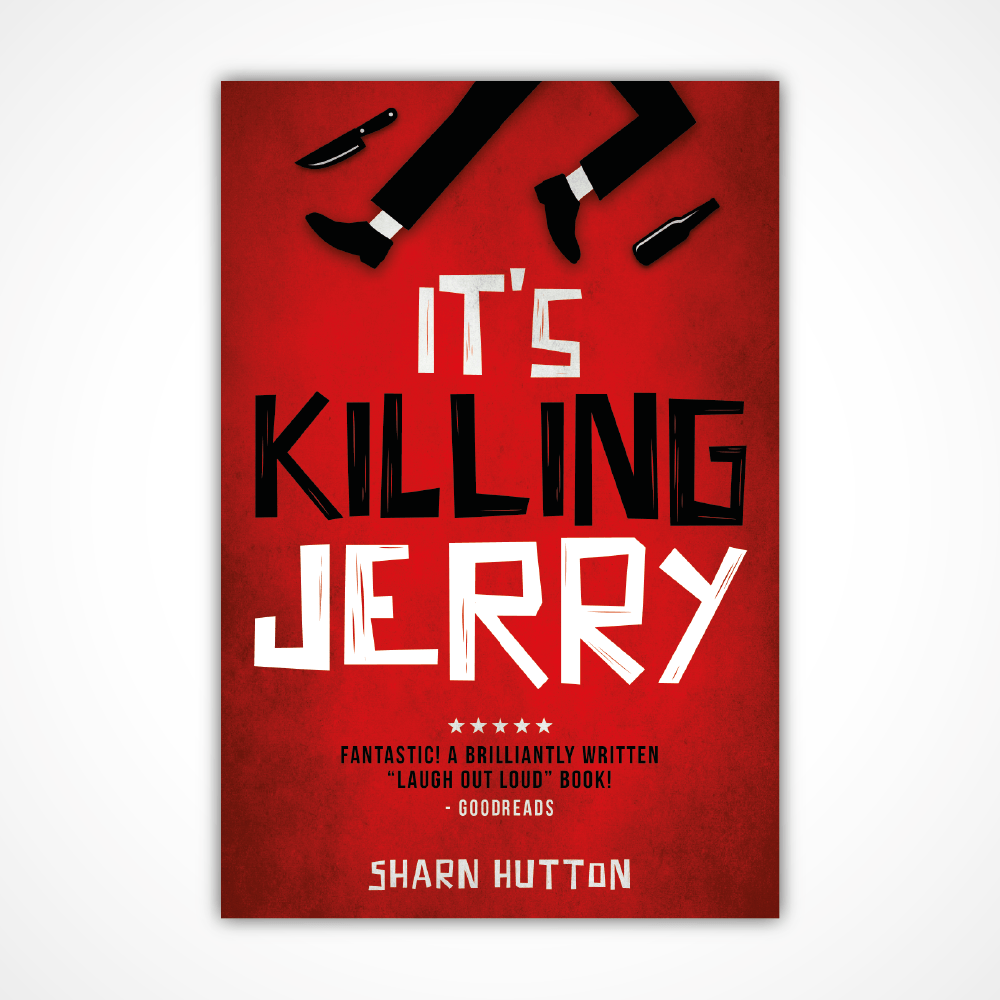
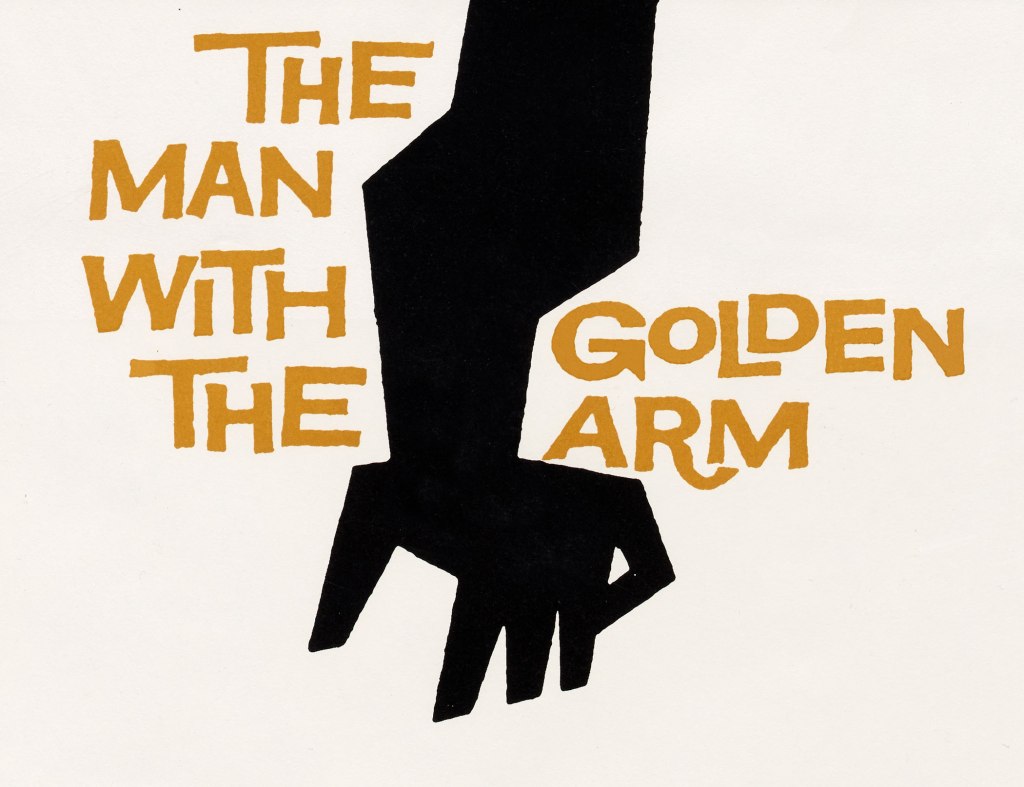
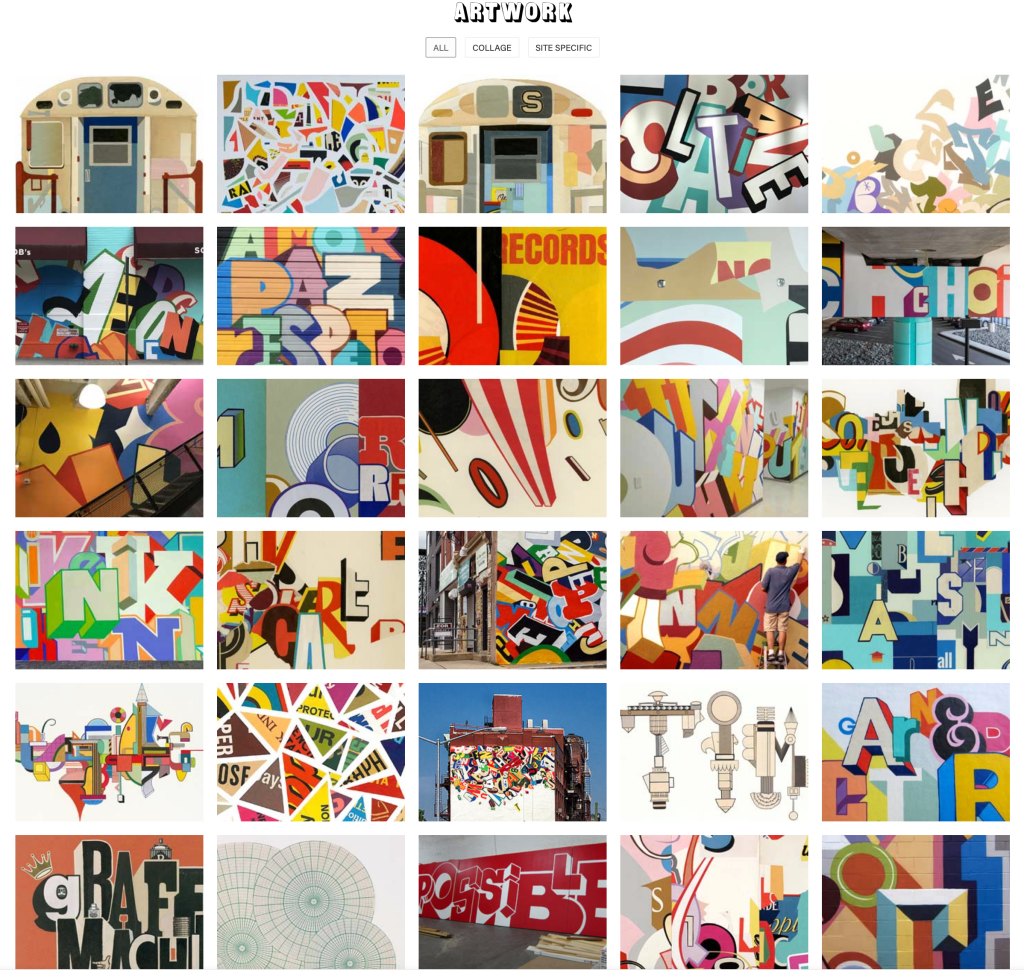
These very much remind me of Saul Bass who is one of my favourite designers. His work appears handmade because it was hand drawn. I think there’s an element of Bass massively used design still today, and many aspiring designers are using film as influence in their work. Likewise with David Carson; elements of his work are playful and highlight the very nature of mix and match craft. I also have researched into Greg Lamarche as his playful lettering in large scale on buildings is really fun! It’s inspiring – there’s something really lovely about blowing up tiny letters you would read in physical print format into huge type on buildings. It’s all about play with design, and this is the message I really want to get across in the workshop.
Further research:
How this workshop will bring designers together in one studio and show the benefits of teamwork in projects, and thinking physically and mentally. For example; an activity for the physical workshop could be using a provided printed alphabet (maybe it’s stickers?) and asking designers to create a page layout/hierarchy exercise through craft.
Engaging the designers in different stimulating ways is the main idea I have behind this, such as the ABC method by Open Education. I think it’s important to explore boundaries as a designer and push yourself out of your comfort zone/style of work. The best way to introduce this in a workshop would be to have different types of design tasks/activities each targeting a different area, and therefore having a blended learning approach. For example there could be categories like:
- A thinking activity (problem solving) – provide a solution to the following problem..
- An interactive activity (investigation) – take rubbings, draw illustrations/studies, collect findings…
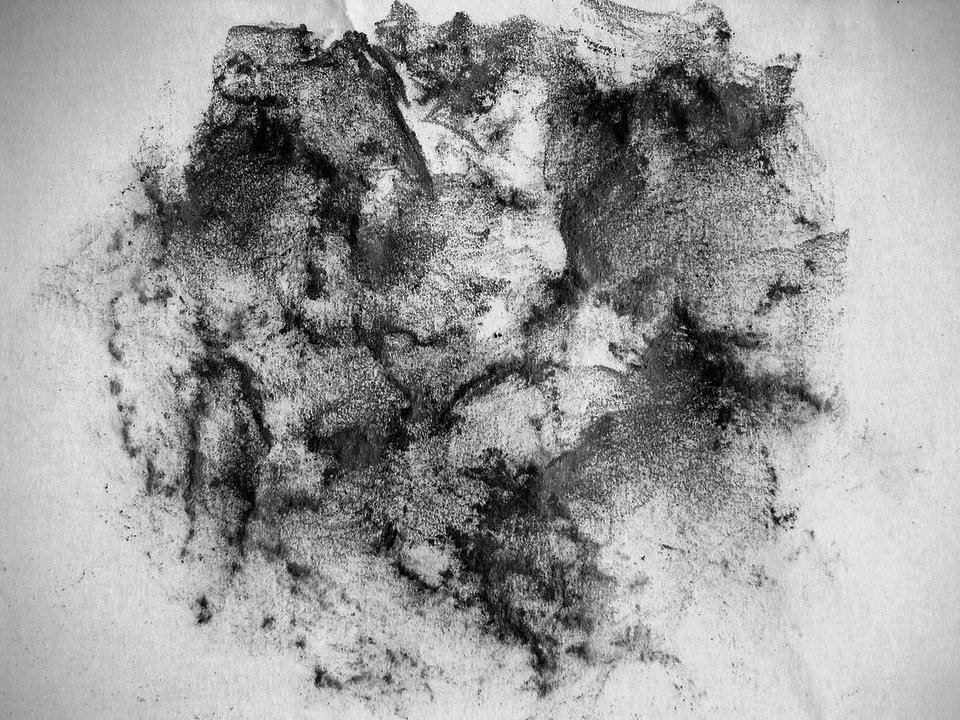
Frottage: In art, frottage (from French frotter, “to rub”, Rubbing) is a surrealist and “automatic” method of creative production developed by Max Ernst. “… All sorts of materials that could be in my field of vision: the leaves and their ribs, the frayed edges of a canvas bag, the brushstrokes of a modern painting, a thread of a reel, and so on.” (Max Ernst, “Au-delà de la peinture”, Cahiers d’Art, 1937) “This technique consists in superimposing a certain support, such as a sheet of paper or a canvas, on a surface that has more or less marked reliefs, such as stone, wood or anything that is not smooth. Using pencils of various softness, pastels, chalks, contè or charcoal, the support will be rubbed, leaving the reliefs of the underlying surface gradually emerging. The result of this process allows to obtain drawings and chiaroscuro textures and fade and images to a large extent random and unpredictable” – source
- A teamwork exercise (collaboration) – in groups/partners encourage discussion/debate…
Other examples could include: Explain, Execute, Examine. This article is really insightful to see how best practice can be carried out within a workshop, to ensure all attendees get the most out of it.
 jesswhatley.design.blog