
400 words
Plan
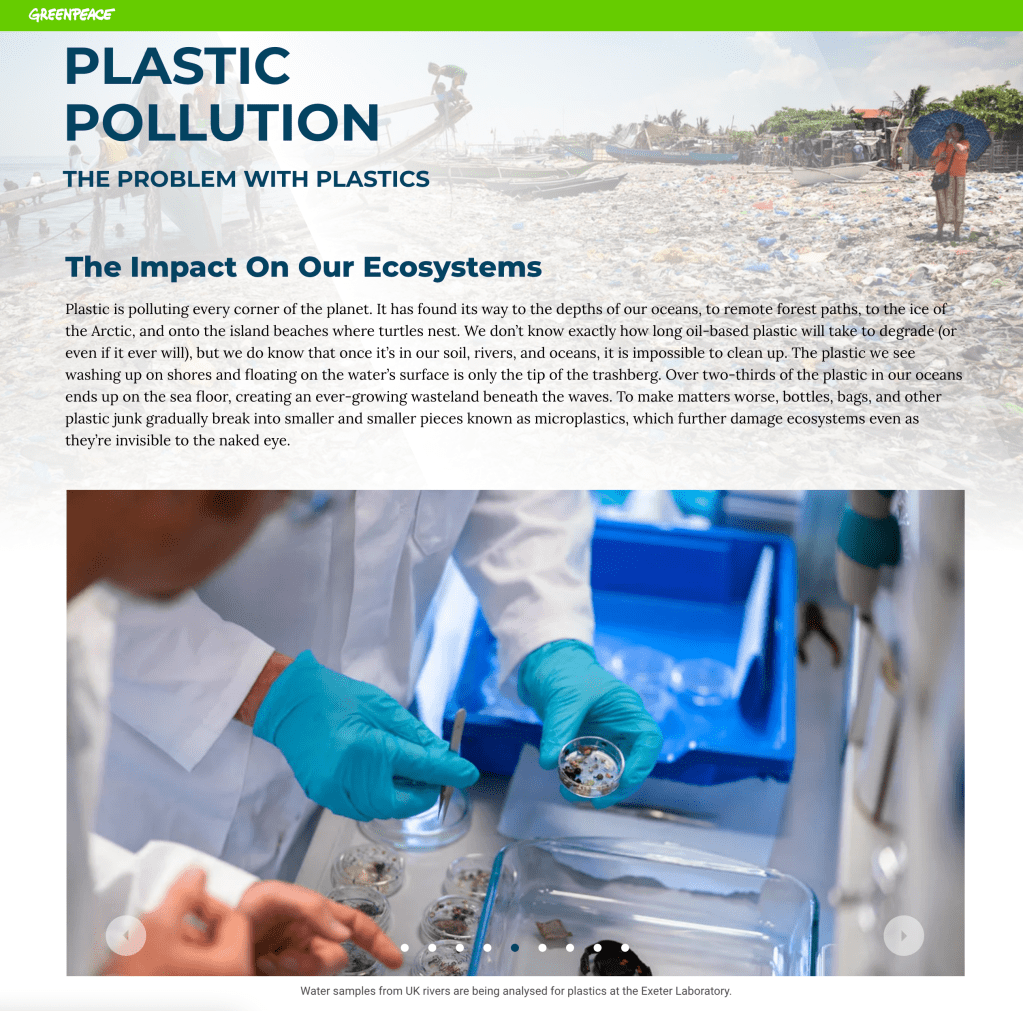
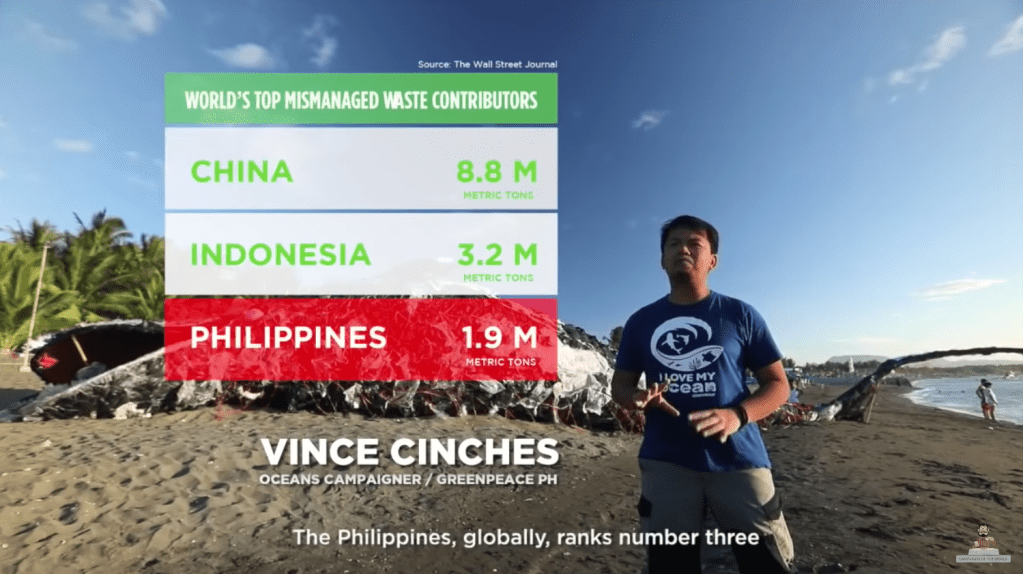
Greenpeace have observed that plastic pollution is an increasing issue globally, with dead animals being washed up on shores as a result. Greenpeace Philippines identified they were one of the top three worst countries for plastic waste, and therefore needed to produce a campaign raising awareness around the harmful impacts of plastic in our oceans.
Research
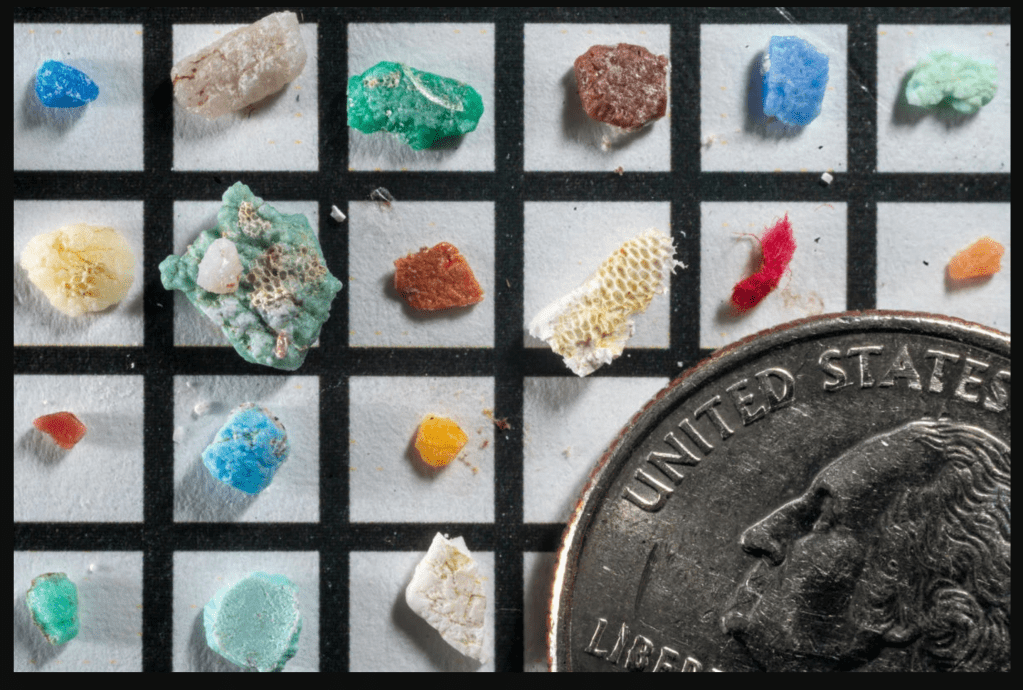
Animals washing up on the shores from plastic related pollution was not an alarm bell; people thought these creatures died from natural or unknown causes. It was fundamental for this campaign to address plastic specifically and educate viewers of the truth behind these animal deaths – that people are responsible. As Greenpeace are an organisation which runs off proceeds and donations there were restrictions with budget, therefore the whale used free of charge waste plastics which surround us. The very materials that harm these animals were used to create the campaign and the message was loud and clear.
Design
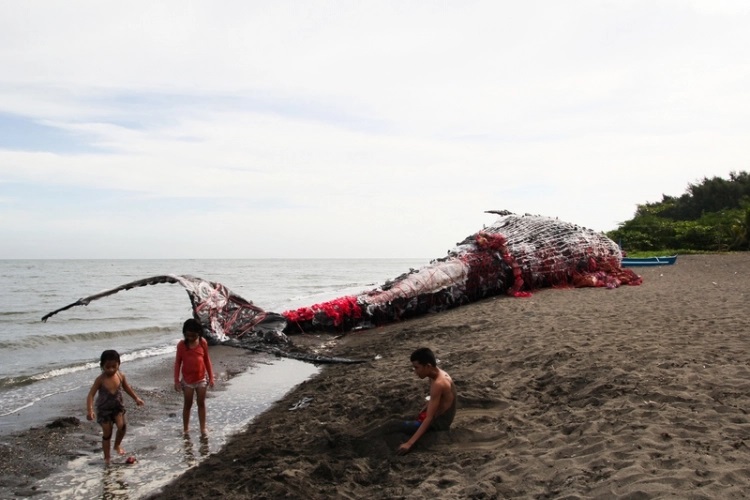
The sculpture was 75 feet by 10 feet high, and made entirely out of waste plastic. It was powerful. The sculpture was created securely with considerations of the environment, whilst ensuring the correct colours and details were used to shock viewers and achieve a realistic looking whale sculpture. The case study used a timeline up to the day of the installation and focused on the social media comments by the public, and real data for that location with 1.9 million tons of waste contributed from the Philippines alone.

Adapt
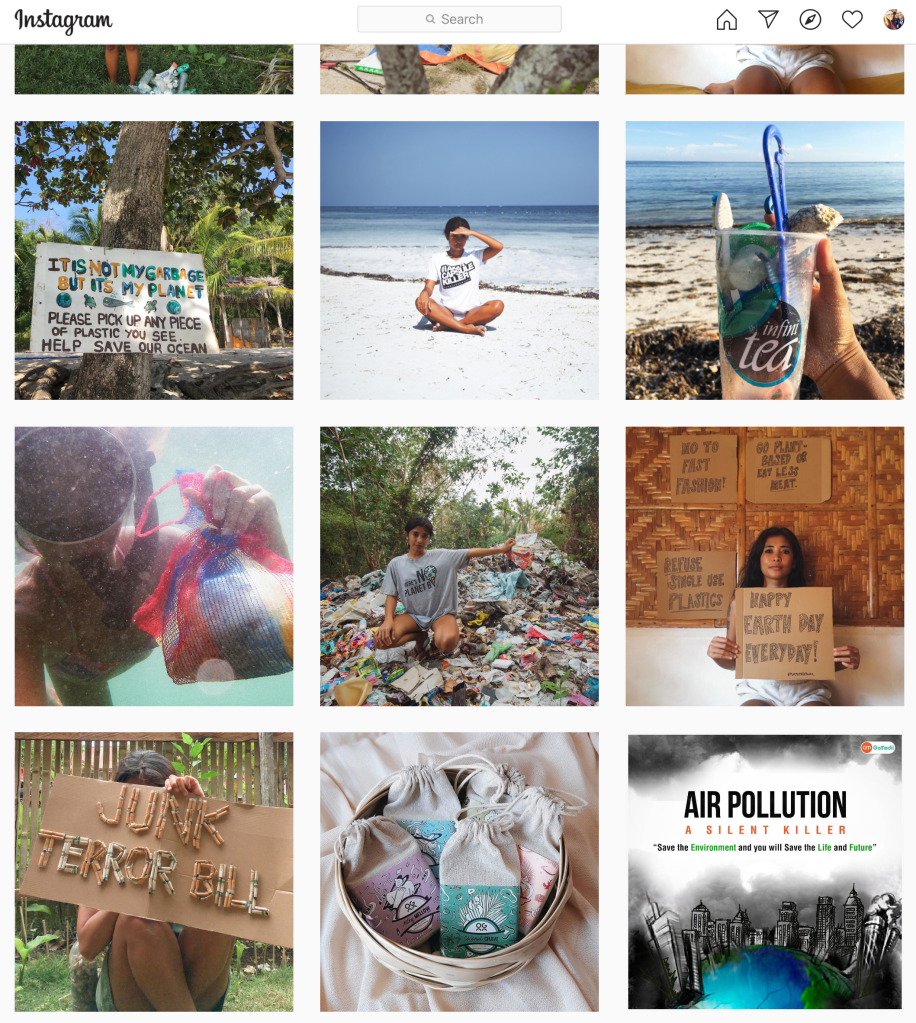
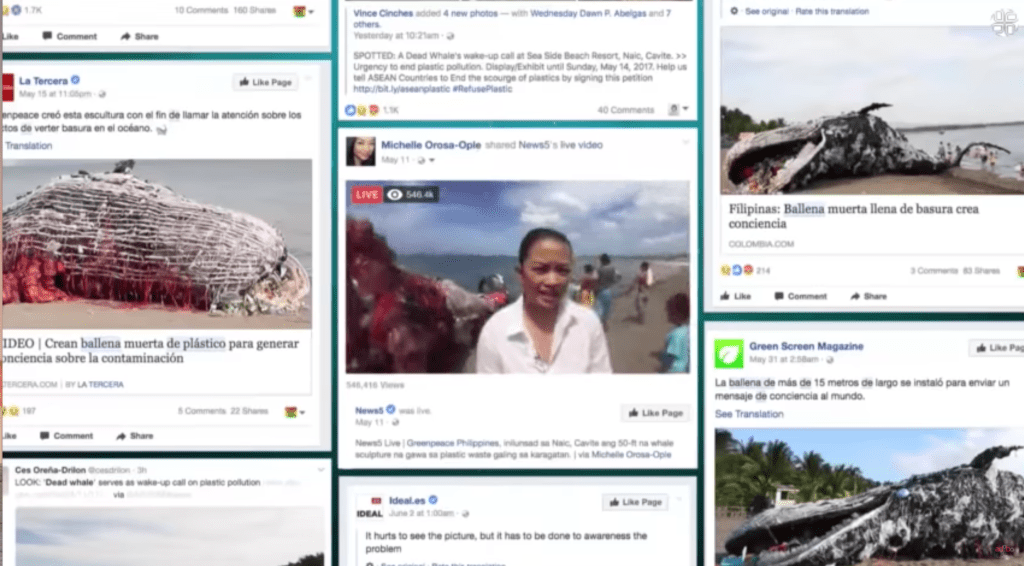
Greenpeace adapted this campaign through an online presence. Word of mouth played a huge part in this project, with social media hashtag #RefusePlastic appearing and raising awareness of the importance of recycling plastics. The case study tells a story and kept the art installation valid due to being dismantled three days after construction (with precautions taken to leave no debris behind).
Measure
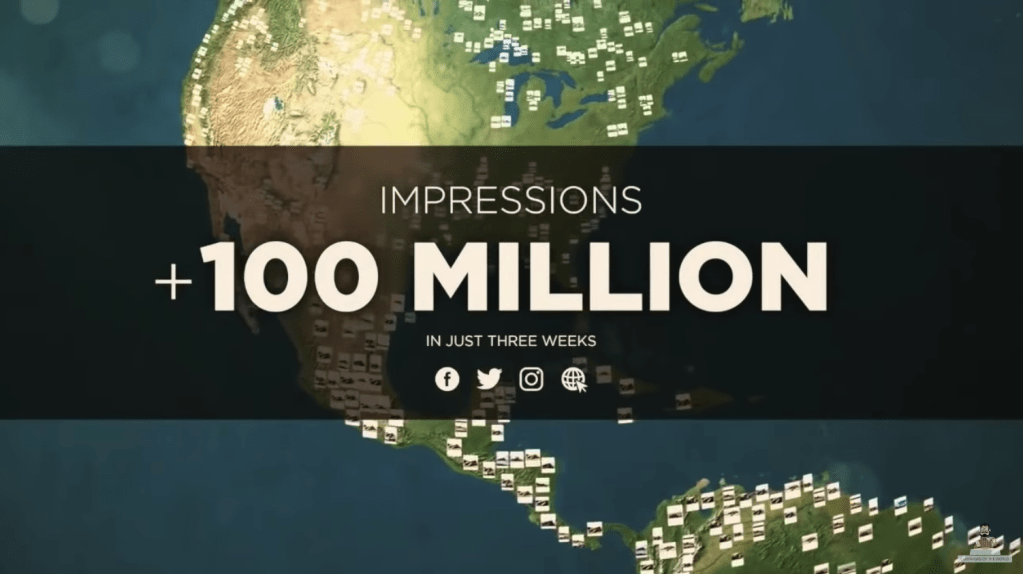
The overall measure Greenpeace used for this campaign was through data. Data was used to track online traffic; over 1.5 billion impressions from over 100 countries, and 1,600 website features tells Greenpeace that this campaign was effective and the message reached a large audience. More importantly, it got people talking. The movement has resulted in the whale sculpture being trademarked by Greenpeace. Several institutions have asked for Greenpeace’s permission to construct their own version of the whale (two being in Asia).
Bibliography
Greenpeace.org. (2021). Learn About Plastic Pollution. [online] Available at: https://www.greenpeace.org/international/campaign/toolkit-plastic-free-future/learn-about-plastic-pollution/ [Accessed 30 Apr. 2021].
Home Design, Garden & Architecture Blog Magazine. (n.d.). “Dead Whale” Reminds Us That Ocean Pollution Is Getting Out Of Control. [online] Available at: https://www.goodshomedesign.com/greenpeace-beached-whale/ [Accessed 30 Apr. 2021].
http://www.instagram.com. (n.d.). #resistplastic hashtag on Instagram • Photos and Videos. [online] Available at: https://www.instagram.com/explore/tags/resistplastic/.
http://www.youtube.com. (n.d.). Greenpeace Philippines – Dead Whale. [online] Available at: https://www.youtube.com/watch?v=aq6LNsJyqEE [Accessed 30 Apr. 2021].
 jesswhatley.design.blog