
Reference material
Wired – Designers make great entrepreneurs, they just don’t know it yet
“On the surface, there seems to be an inherent tension between what makes a good entrepreneur and what makes a good designer. For example, an entrepreneur’s job is to figure things out as they go — iterate and problem solve. It’s not just about a craft: It’s about what the market wants. Entrepreneurs walk a delicate balance between the needs of their customers, teams, and investors. But if you think about it, this characteristic is true of designers too. A great designer excels at iterating and problem solving. At walking a delicate balance between the needs of their audiences, colleagues, and funders. Design is not just a service industry, but a cross-functional way of thinking that is invaluable in starting innovative companies. Yves Behar (Jawbone, Ouya, August) told me he thinks designers could be great entrepreneurs because they “are uniquely suited at solving problems on multiple dimensions without losing sight of the big opportunity to wow the customer.”
To be an entrepreneur means to focus on the final outcome and not be distracted by irrelevant details along the way.
“Pushing entrepreneurship on people that live only for designing interfaces, products, or logos is therefore not a good use our time. If someone just loves to design for design’s sake, or is focusing on just that when designing a product, then maybe he or she shouldn’t start a company. I’d say the same for people who just love to code or just love to sell. But if what they really love is the process around designing — around solving problems they are passionate about — then they are well-suited for entrepreneurship.”
Ethos magazine
Ethical entrepreneurs, responsible business, community and sustainability
“Ethos is a magazine for and about people who embrace new and innovative ways of doing business. We cover stories about the most progressive business leaders, their teams, ethos and ideas to give you a unique insight into how they’re changing how business is done. Writing about regional, national and international social enterprises and ethical businesses from our base in Liverpool, UK, we look at great businesses and the sector’s success stories. They are stories about community and responsibility, fresh ideas and free thinking entrepreneurs. They may be ethical and innovative, but they’re interesting and exciting.“
The magazine is available on both print and digital editions, making them available for anyone with convenience on the go I notice they also have a newsletter that people can sign up for also – I’m interested to see just how beneficial newsletters are nowadays?
I’ve done a bit of research on newsletters and have discovered:
https://www.business2community.com/email-marketing/top-10-benefits-of-email-marketing-02160067
Rinse and Repeat:
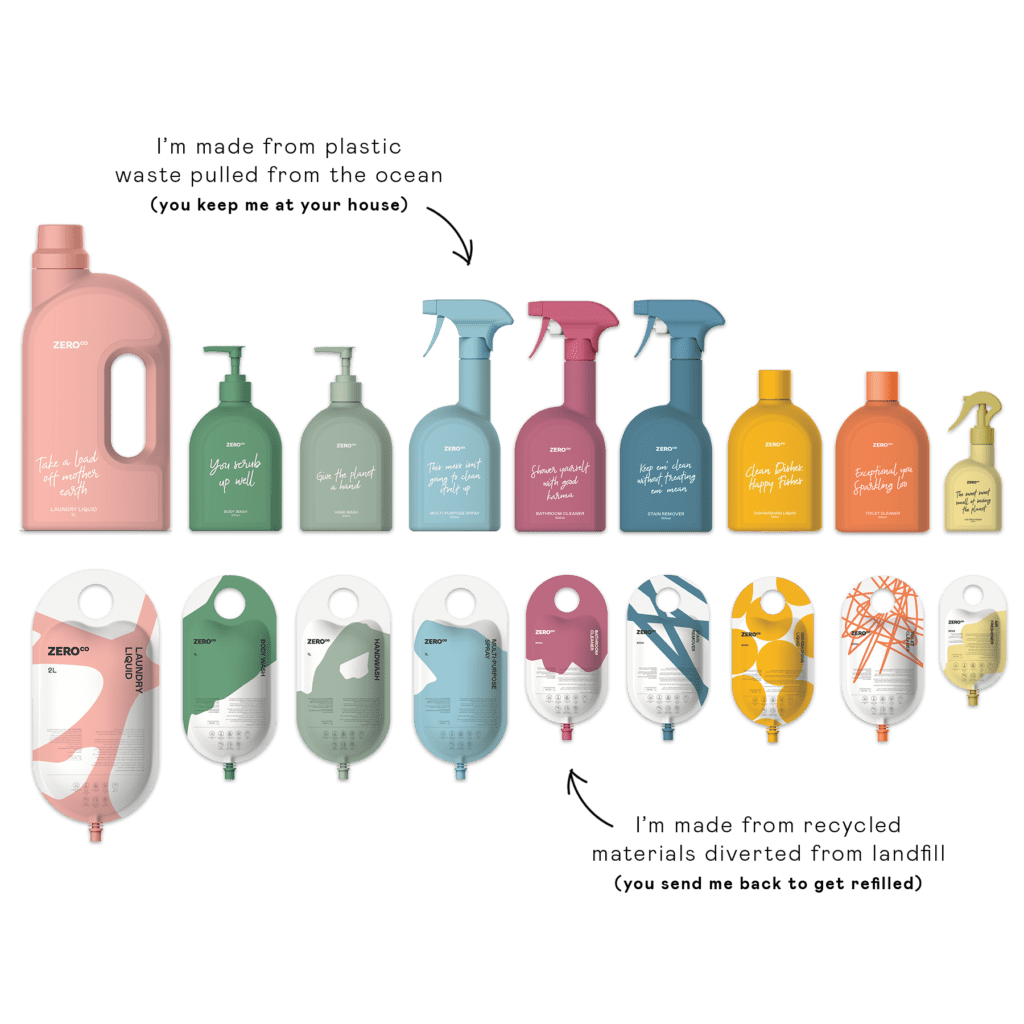
“Most eco-friendly brands lose customers on price and product efficiency, so the focus for Zero Co is making sure its products are competitive in both of these areas. Zero Co’s cost per product straddles the middle to upper end of supermarket brands, and Smith cites lab testing that shows the products work just as effectively as your standard supermarket buys, too. Convenience and customer service are also key in motivating people to make the switch. “If we can deliver a really great range of products that work, as well as the supermarket brands at the same price, and deliver them straight to your door. [If we can] do all that, while stripping away hundreds of millions of single-use plastic bottles every year, we hope that people will support us and rally behind that,” Smith says.“
Offscreen magazine
“Through in-depth interviews and a diverse range of contributors, we examine today’s role of technology and its potential for advancing and harming humanity and our interdependence with other species. We look beyond the conventional definition of entrepreneurial success and put the spotlight on people, projects, and ideas that offer a more inclusive, equitable, and sustainable vision of the future.”
 jesswhatley.design.blog