
Reference material
moz:lla‘s new logo
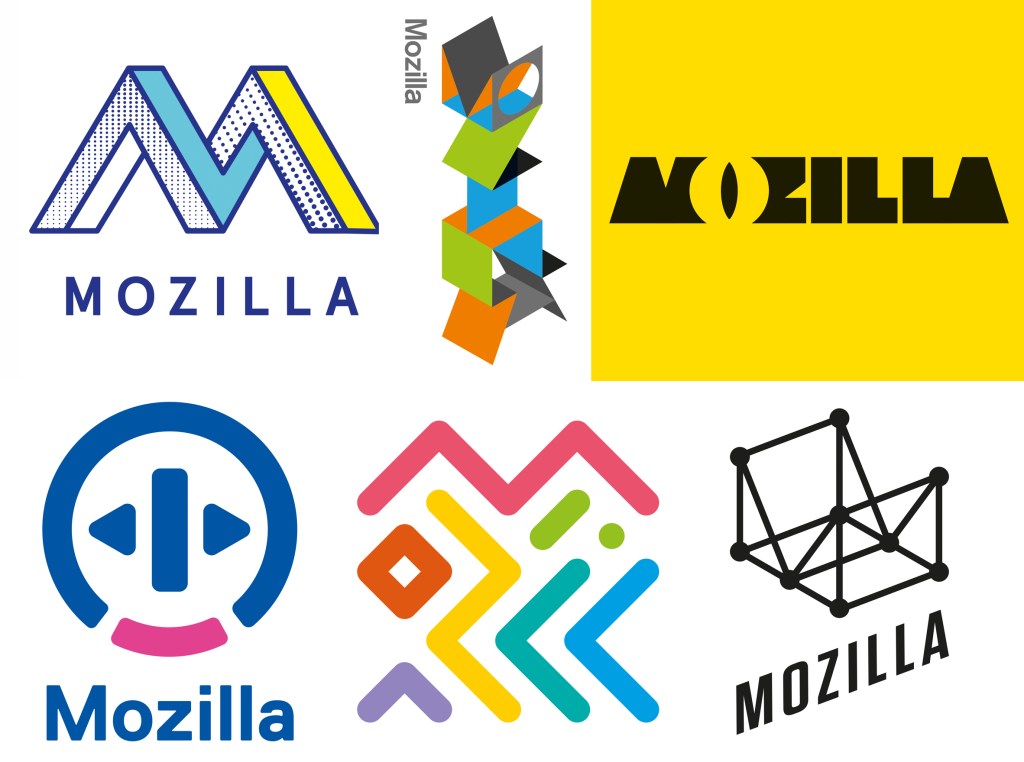
Previous logo’s looked contemporary but not representative of the web.
Instead of the traditional method of working with designers behind the scenes to create a (sometimes) multi-million pound re-brand… Mozilla decided to ask the public instead, which albeit contraversial was a really great idea. Maybe the public were able to be more honest? This Mozilla logo is a collaborative outcome in itself where people have contributed around 3000 comments to lead to the final design. Several commenters were put off that the original “Protocol” used a capital “M,” when a URL code uses all lowercase letters. The final mark has a lowercase “m.”

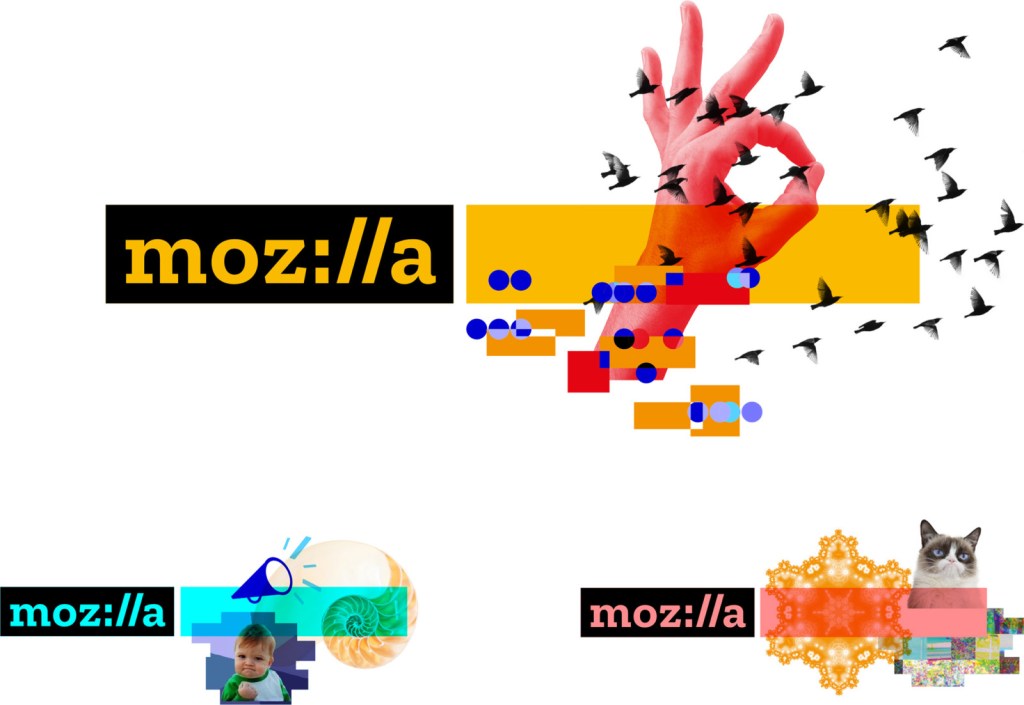
“As we pushed the idea further, we were able to make the coloured bars allude to internet browser address bars and discovered that we could fill these bars with both type, messages, images, or a combination – alluding to a typical web journey. It started to become a very flexible system. And we had always enjoyed the thought that this was a logo you could type, as in ‘moz://a’.“
– Johnson Banks
The clever use of the http:// URL reference in the logo immediately suggests the company is an internet based company. I really love the development behind this too – actually taking the search bar from a browser and using that as inspiration. It’s a visually instantly recognisable action for anyone who uses the web.
Pick Me Up Graphics Arts Festival – HATO
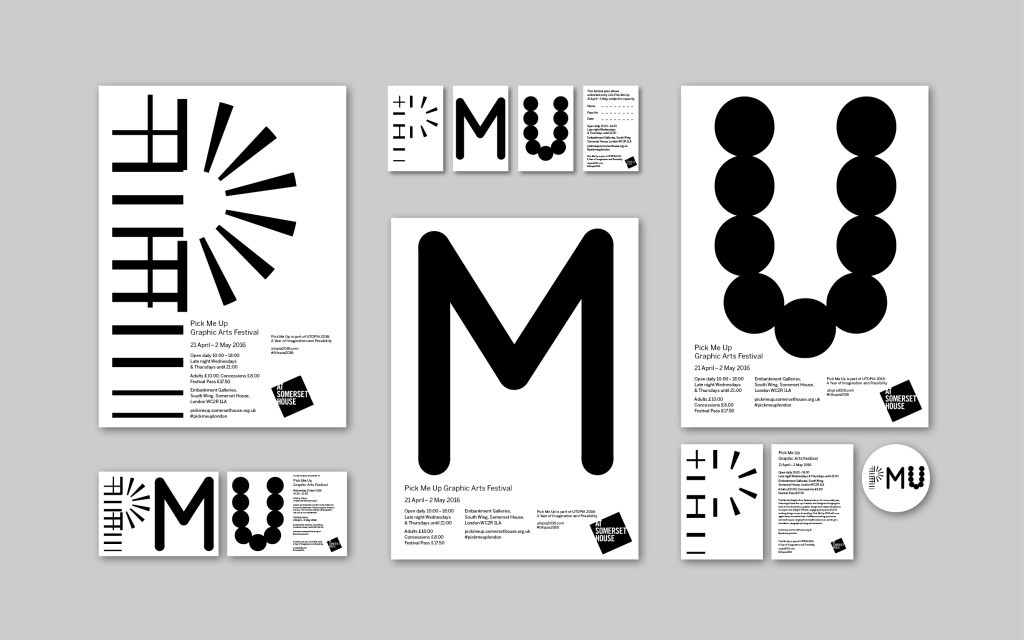
I really like the monochrome effect of these contrasting graphics. The detail is in the shapes and emphasised on a white page. 
Collaborative tool research
15 collaborative tools for productive teams:
I have branched out from my references as I felt although they were both great examples of how design work can benefit from teamwork, I wanted to see how teamwork itself could be organised more efficiently behind the scenes in workplaces. After all, having well managed staff is going to deliver results and I was intrigued to find what tools exist out there to encourage this.
Asana:
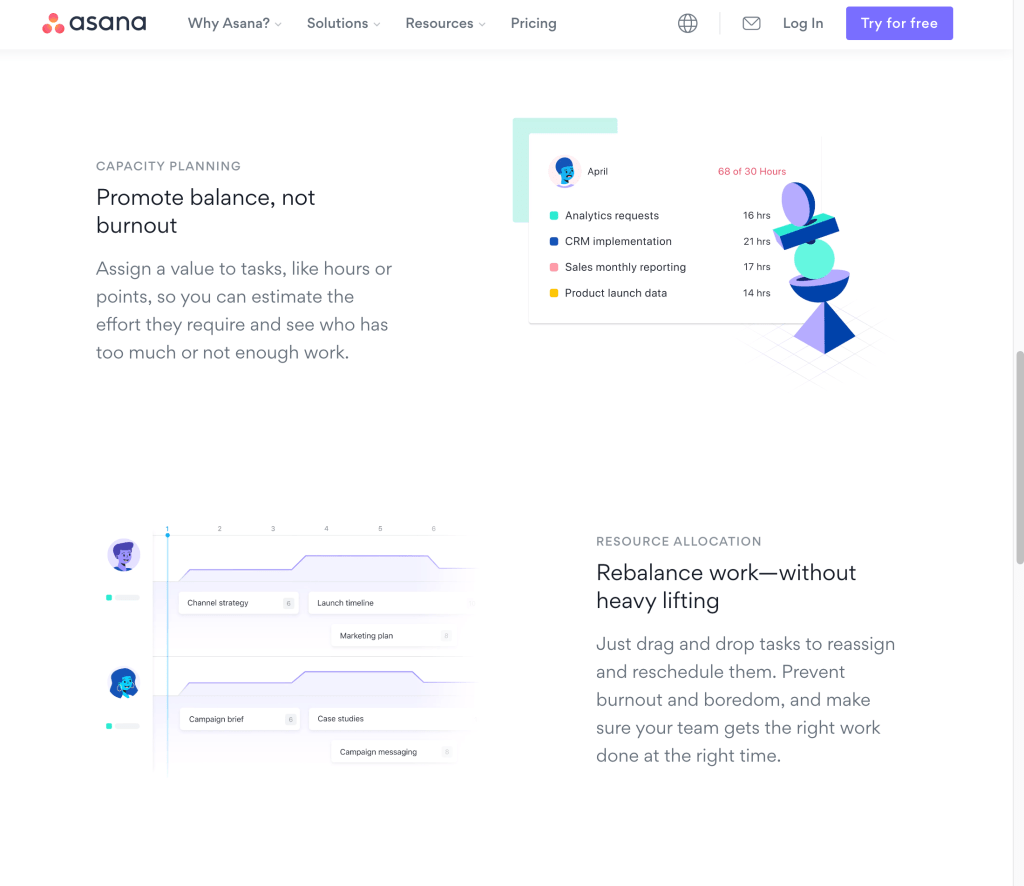
Balancing your workload is critical in the professional world and being aware of all of your schedules and projects in an organised document can make a huge difference to working outputs. 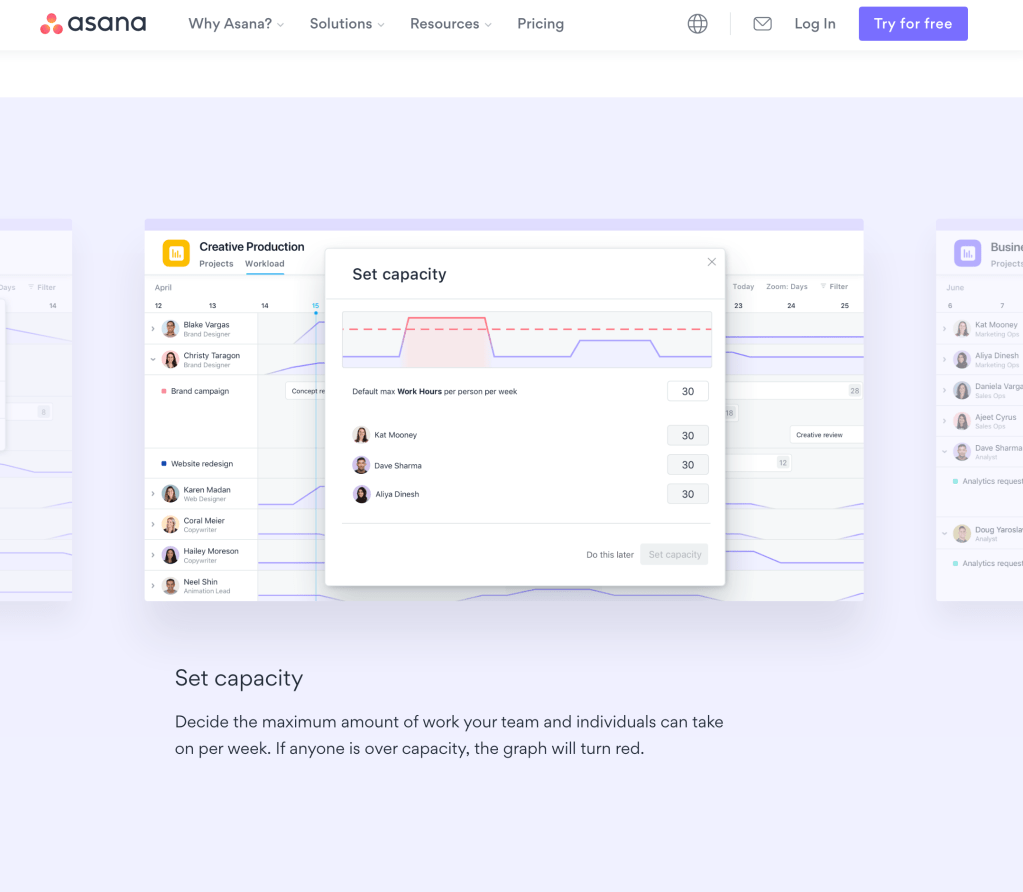
I like this feature the most!!! Colleagues will be recognised for their hard work. There would have to be links to the software that the colleague was using to monitor them and generate accurate readings, however it would show active screen time and therefore who was working overtime.
Asana keeps track of team members’ schedules with a timeline, boards and enables list view for the homepage. There’s also a function to comment on fellow colleagues posts which I think is really useful; just from my experience in the working world I feel this app would massively reduce the amount of time spent in meetings with managers/clients. There’s the ability to set yourself goals as a user and therefore manage your workload. Overall I think this app would be brilliant for companies to introduce as a way of self managing yourself as an employee.
Trello / Wimi / Milanote / Monday / Redbooth:
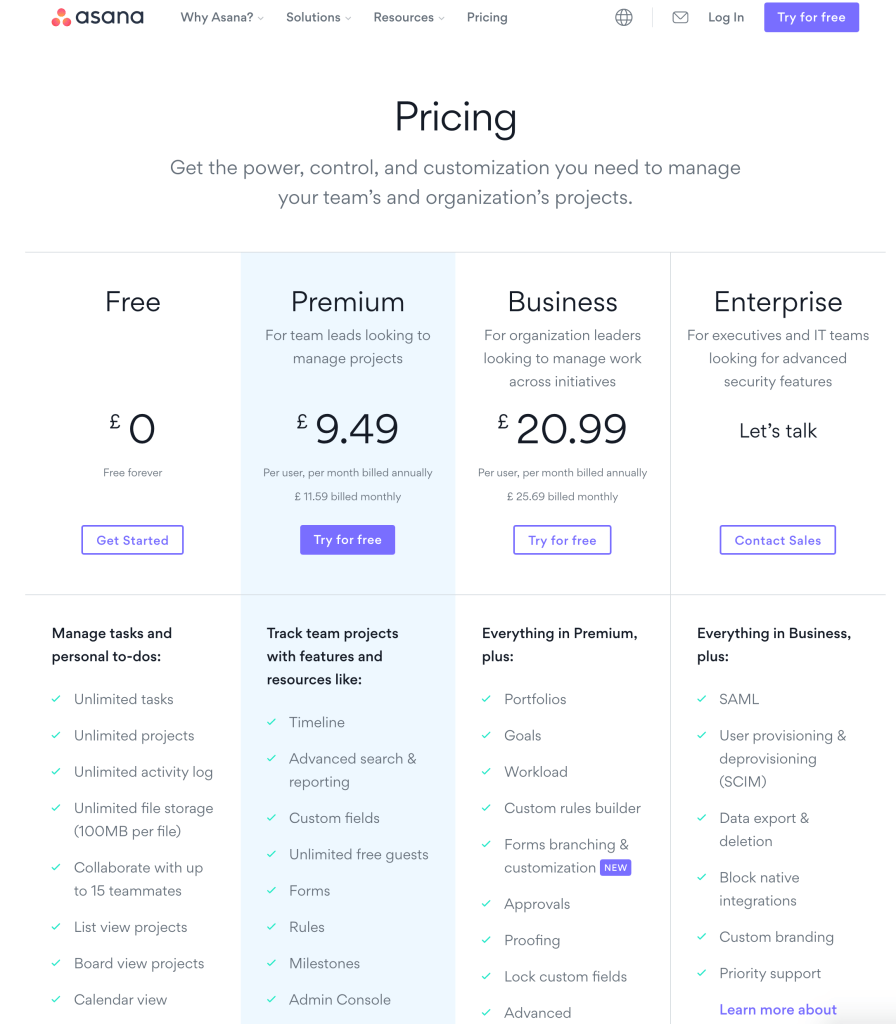
The fact there are so many organisational team collaborative tools out there to benefit collaborative working just shows they are in demand and have a presence in the business market. All of these tools offer a range of services and a combination of pricing plans ranging from free with limited features/free trials/annual membership/quotes which are tailored specifically to suit all customers.
 jesswhatley.design.blog