
Webinars
Richard
Pitches vs presentations
My interpretation of:
– Pitch – a statement, a final idea
– Presentation – a multitude of ideas
In terms of the circular design process method – I would say the final three sections would be the pitch and beginning three circles would be to present.
Presenting work is crucial whether internal or external practice.
How you come across is important, you need to engage your clients and keep them focused. If clients are not focused they aren’t likely to be impressed with the idea and therefore dismiss it. I notice the people aren’t confident in what they are saying, just from their body actions and the way they interact with their ‘colleagues’ comes across as either childlike or possessive. This video also led me to this video:
This video was a clever example of how clients can be confusing, and how best to deal with them. Ask questions and try to get to the bottom of what it actually is the client wants.
To prepare for a pitch, what questions do you need to ask?
– Know your audience, learnt heir names
– Know the budget/decision maker
– Know the venue and appropriate methods for presenting; check projectors/computers/accessibility etc.
Digital presentation:
– People you can’t see
– When budget is smaller
Pitch book / pack:
– When you want the client to take home and think on your ideas
Presentation boards:
– If you have swatches of physical printing/samples of finishes i.e matte gloss satin etc?
Screen presentation:
– Lectures
Depending on the audience: keeping their attention is the priority. Be direct, stop them. A book may be distracting.
If nervous when presenting:
– Don’t hold things
– Maybe you sit down or hide behind a stand
– Be comfortable in clothes
Follow up tasks for next week:
- Write a blog post on the following:
– How did I pitch my idea?
– Did I do it successfully?
– Was I compelling enough, articulated?
– Did visuals and sequences work? - Then play back the video and compare if my analysis is correct.
Alec
Run through next week
– Have fun with branding
– Present it more as a pitch
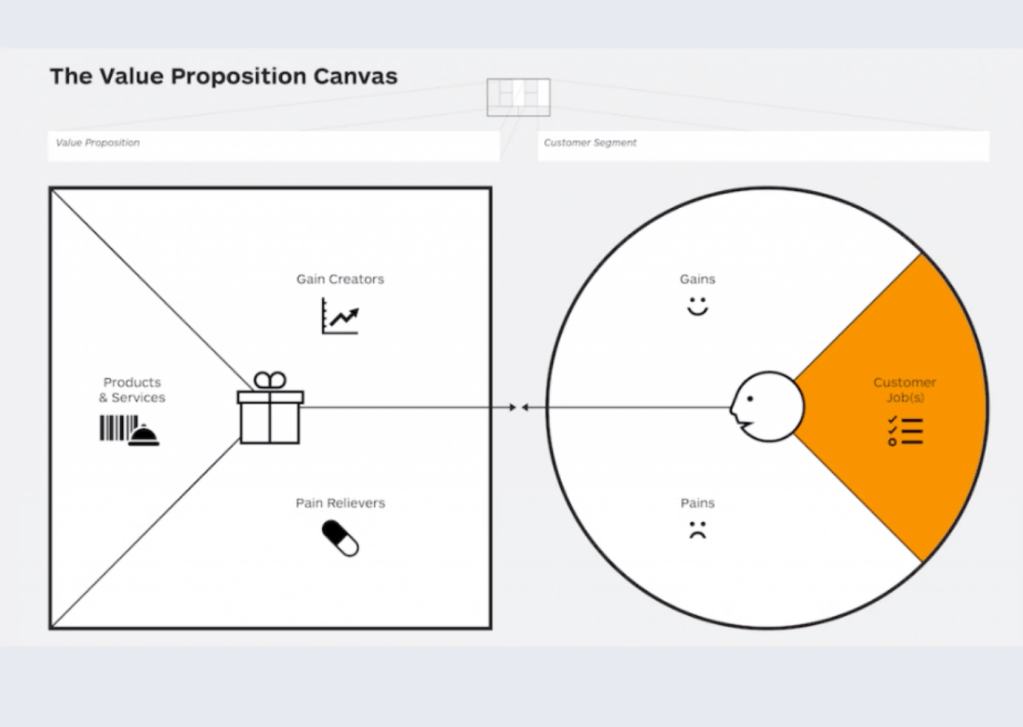
Pains:
– negative experiences
– risks; things exist but not built well, clunky interface, pay wall is restrictive
Gains:
– positive experiences
– benefits; how could my solution heighten their experience
Pain relievers:
– what I offer that directly takes away barriers
Align your tool; model how different value propositions might align with different customers.
Looking at Nike:
– Tiered price brackets i.e. £50, £100, £250+
– Tailored to customers i.e. ‘pro’, ‘elite’
 jesswhatley.design.blog