
Challenge
Create one image to represent both initial story concepts, using a variety of methods, which must be original and not sourced from the Internet or a third party.
Write two short proposals with title, original image and a short 100-word synopsis (elevator pitch) about the concept of your article. Save as a PDF document and upload to your blog.
How to present the 3000 words:
Essay word count – 3,000 words
Introduction – 300 words
Main body – 2,400 words (maybe split into 3 ‘topics’ or ‘areas’ at 800 words each?)
Conclusion – 300 words
Idea 1
Myth: “Milton Keynes is a concrete city”
Known for roundabouts, the grid and concrete cows, few associate MK as being green and full of wildlife and see it as an industrial space close to London, full of large businesses and head offices for corporations. It is an innovative city and life is intertwined in this city on purpose to encourage nature.
Milton Keynes Natural History Society with recent sightings and where to spot wildlife sources show that wildlife is bursting in this area and encourage people to explore and support the environment; therefore the consideration of green space with new builds is working as nature is thriving in one of the fastest expanding cities in the UK.
Park’s Trust Milton Keynes – there are many locations built with lakes and wild spaces in MK.
Architecture – What MK looked like when being built
Redways – environmentally friendly, easy way to travel and safe, intertwining around the city to get from A to B conveniently.
Innovation – Innovation centre in Milton Keynes provides facilities for testing new ideas and technologies in transport
MK futures 2050 – the PDF is really interesting to scope out MK’s future along with the Biodiversity action plan
Topics could include:
• Audience – Environmentalists, potentially architects that want to consider innovative environmental builds
• Objective – Raising awareness about the future of architecture and how to transform cities to be sustainable
• Purpose – Informative, educational and inspirational
• Output – Packaging project that takes inspiration from man-made materials and structural architectural formations???

Image by ramboldheiner from Pixabay
Introduction:
Milton Keynes is a new city and many consider it to be ‘a concrete city’ with large corporation head offices, roundabouts and industrialism however this essay will provide information regarding how the way its built encourages wildlife and actually presents an eco friendly city, with the added bonus of innovation.
Middle:
• Milton Keynes today; what is it known for (concrete cows, roundabouts, overflow, industrialism), and what is it actually doing (providing new homes for people and wildlife with rapid expansion). Why might this essay suit my audience – educational and informing readers of how this city has evolved since built.
• How Milton Keynes is thriving with wildlife and what is in place to support this? Redways, lakes, allotments, fields, canals and green spaces.
• What did it used to look like in the 60’s when it was newly built as an overflow for London; what came first, and how has it evolved? What makes MK unique in comparison to that of other cities like London – innovation (electric starship robots save petrol therefore helping environment. New technologies. Smart city.). Cycle to work/Santander bike scheme. Some sort of reference to give perspective, facts and evidence of wildlife populations.
• What does the future hold?
Conclusion:
• Summary of the topics above and address the audience
Things to consider from scoping idea:
• I have two ways I can steer this essay – either: environment OR smart city and technology/innovation? The two go hand in hand, but I need to decide whether:
- Technologies benefit the environment i.e. less driving with electric robots and escooters
- Or whether the environment is encouraging innovation i.e. the buildings have been built to encourage innovation such as housing, roads, redways
Idea 2
Story: “Milton Keynes is one of the best places to look for Marine fossils”
“Great Linford Manor Park was formed 168.3-166.1 million years ago during a period known as the Middle Jurassic, a time when dinosaurs were still around! Much of the park has a bedrock (rock lying under the soil) of limestone, which is unusual for Milton Keynes but not uncommon in Buckinghamshire. At this time limestone was forming and this part of England was a shallow tropical sea dotted with tiny islands, much like the Florida Keys today. We know that the environment was once like this because of the kinds of fossils that have been found in the quarry on site. The rocks contain bioclasts: tiny fragments from the skeletons of once-living marine and land organisms, and other fossils of brachiopods, oysters and other molluscs. Stone from the quarry was probably used to construct some of the buildings in the park, most likely parts of St. Andrew’s church where fossils can still be seen in the walls.”
The parks trust
Bedfordshire Geology group details the type of limestone and clay sediment that surrounds this area.
Chilters countryside – National Trust – although Milton Keynes is outside of the Chilterns, it would be a fair assumption that in the Jurassic period it would have all been very similar as it is within 13 miles of Dunstable downs which is very close (somewhere I visit regularly!).
Buckinghamshire Archaeological Society – The Watermead Pliosaur
Bucks county museum – Fossil sea creatures
Seashells in the rocks are evidence that MK was tropical island and barnacles, little oysters and snails were living amongst these islands.
Topics could include:
• Audience – Geologists, historians, environmentalists
• Objective – History and heritage through the environment
• Purpose – Informative, educational
• Output – Illustrative with photography and hand drawn illustrations of marine fossils. Interested by the ‘layers’ created by geology so use as inspiration for theme. Inspiration palette for PDF below:
A suggestion for an idea: Milton Keynes is surrounded by clay and chalk sediment. Geology is often seen as stereotypically dull rocks, so why not make it fun?

Image by Ash Kum from Pixabay 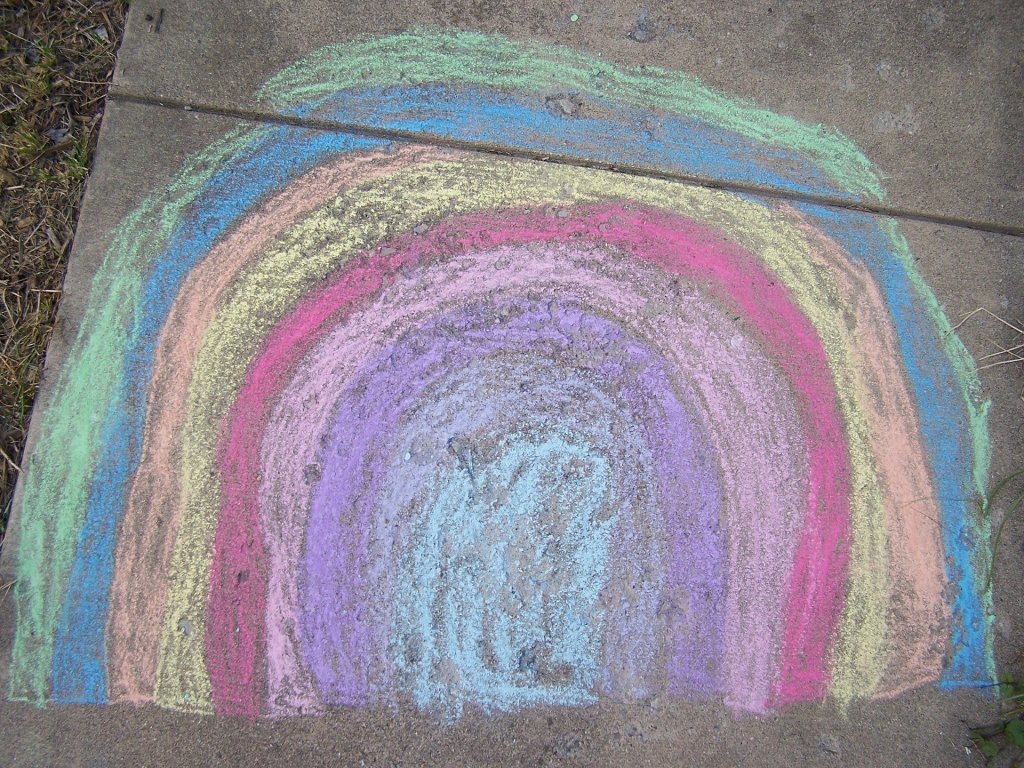
Image by Paula Wiseman from Pixabay 
Image by Erika Hörner from Pixabay 
Image by Cinthya Liang from Pixabay
Introduction:
Milton Keynes is a new city and many may feel as though it lacks history and ‘personality’ however this essay will provide information regarding its history through evolution and evidence of geology that appears today. A city to be proud of and learn about!
Middle:
• Milton Keynes today; innovation and a new city. Why might this essay suit my audience?
• How Milton Keynes is evidence of its history; its traces and current locations i.e. Linford Wood
• What did it really look like 170 billion years ago in the Jurassic period; what existed, and how has it evolved? What is left and what makes MK unique? Some sort of reference to give perspective, facts or timelines throughout may be the final touch
Conclusion:
• Summary of the topics above and address the audience
Proposals – words and images
Proposal 1 – Myth: “Milton Keynes is a concrete city”
“Milton Keynes is a new city, being built in the 1960’s and therefore many consider it to be an outdated ‘concrete city’ with large corporation head offices, roundabouts and industrialism, mainly because it was originally built as an overflow city for London and has a famous sculpture of concrete cows. However, this essay will provide information exploring how the way it was built ensures wildlife thrives. Cycle redways, lakes, allotments, canals and green spaces encourage interaction with nature. Smart innovation is also changing the way people live, with the added bonus of Starship robots to deliver groceries to residents.”
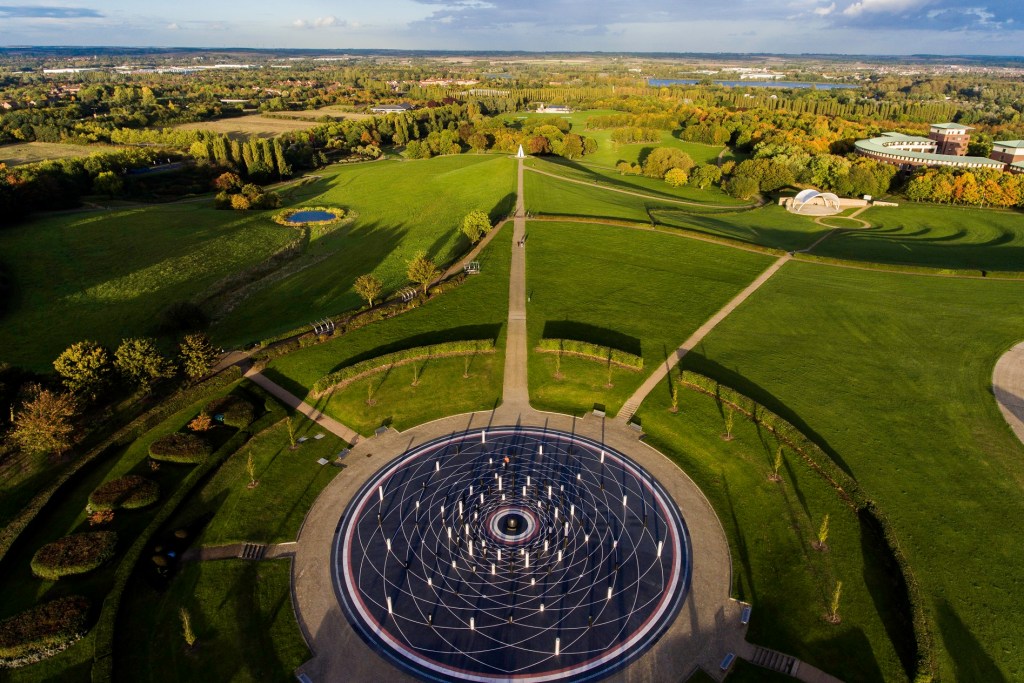
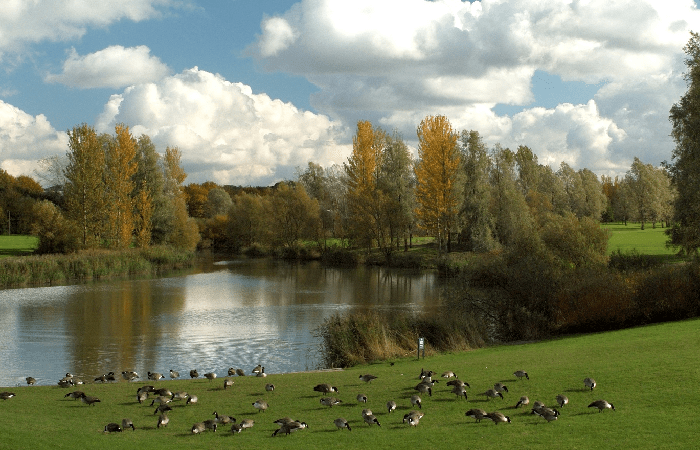
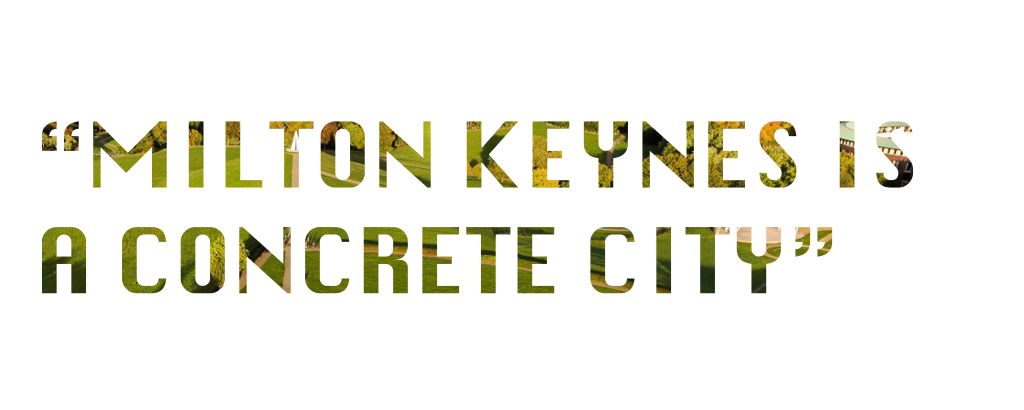
Proposal 2 – Story: “Milton Keynes is one of the best places to look for Marine fossils”
“Milton Keynes is a new city, built 1960, and many may feel as though it lacks history and ‘personality’. However, this essay will provide information regarding its history through evolution, including evidence of geology that appears today. In the Jurassic period, Milton Keynes was underwater as it was a shallow tropical sea, and therefore fossils such as brachiopods, oysters and molluscs are present in the layers of clay and chalk sediment today which is visible at several nearby locations, including the Chiltern hills. The aim of this essay is to make geology fun and raise awareness of the history here.”
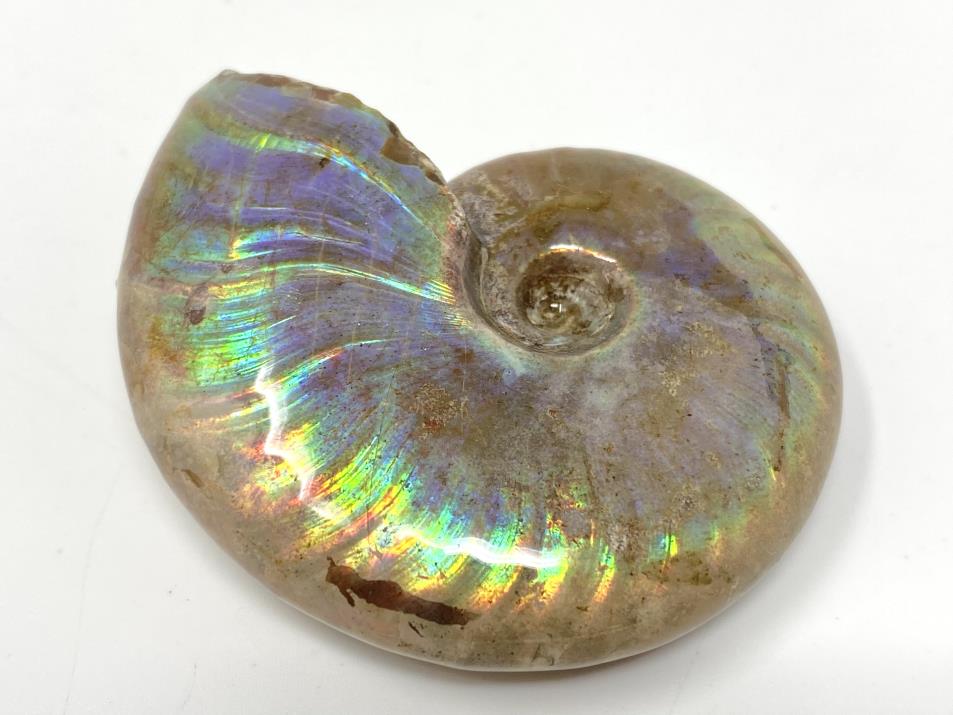
Image source
 jesswhatley.design.blog