
Research
Using my notes from the lecture and references I’m going to research the following bullet points:
• What companies are there globally to support mental health?
Generic (accessible for anyone):
Made of Millions
Mental Health Foundation
Mind
Heads Together
Rethink
Stress Management Society
World Federation for Mental Health
For creatives:
a-n: The Artists Information Company
Creative Industries Federation
Creative works: courses and activities for creatives to create a community and improve wellbeing. Options to further advance their career with opportunities in workplace and volunteering too
Design Council: working collaboratively with other partners such as the government, charities and businesses. To improve processes, products and places
The Haven + London
• What companies are striving for graphic designers to be mentally healthy? What systems are in place that work currently?
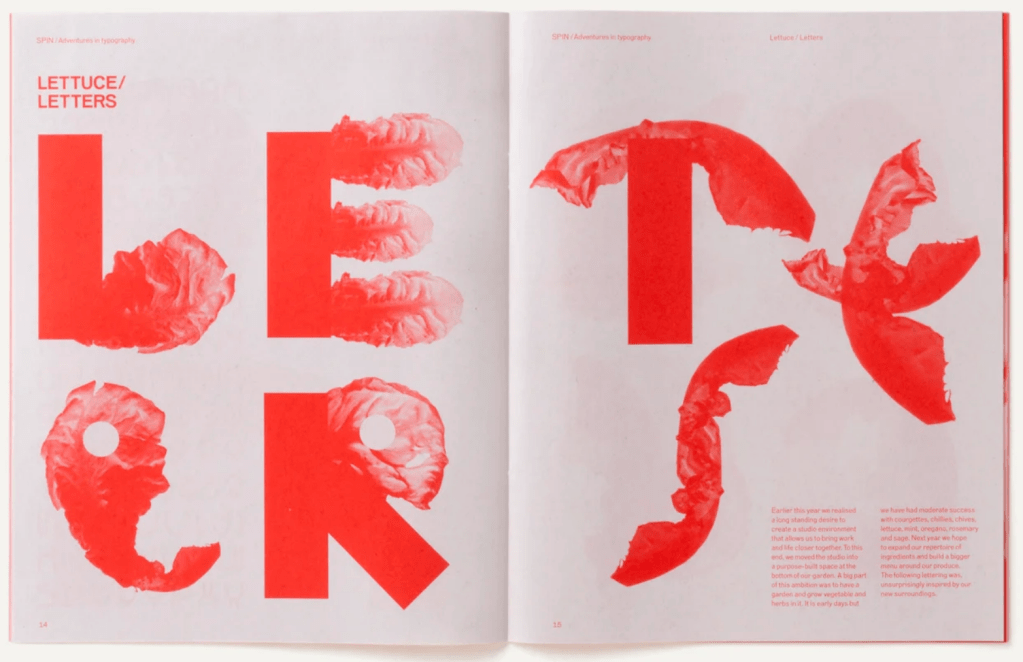
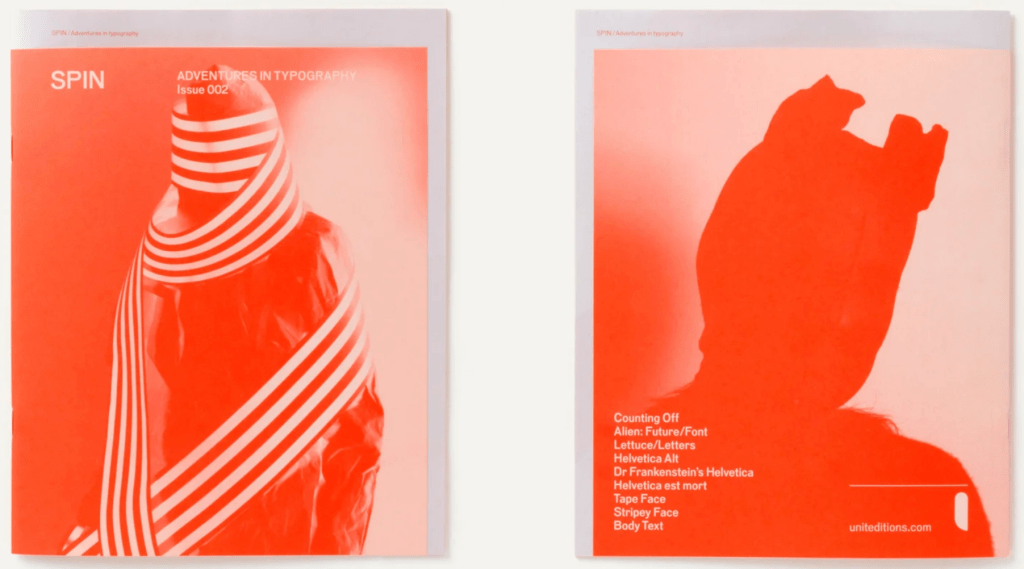
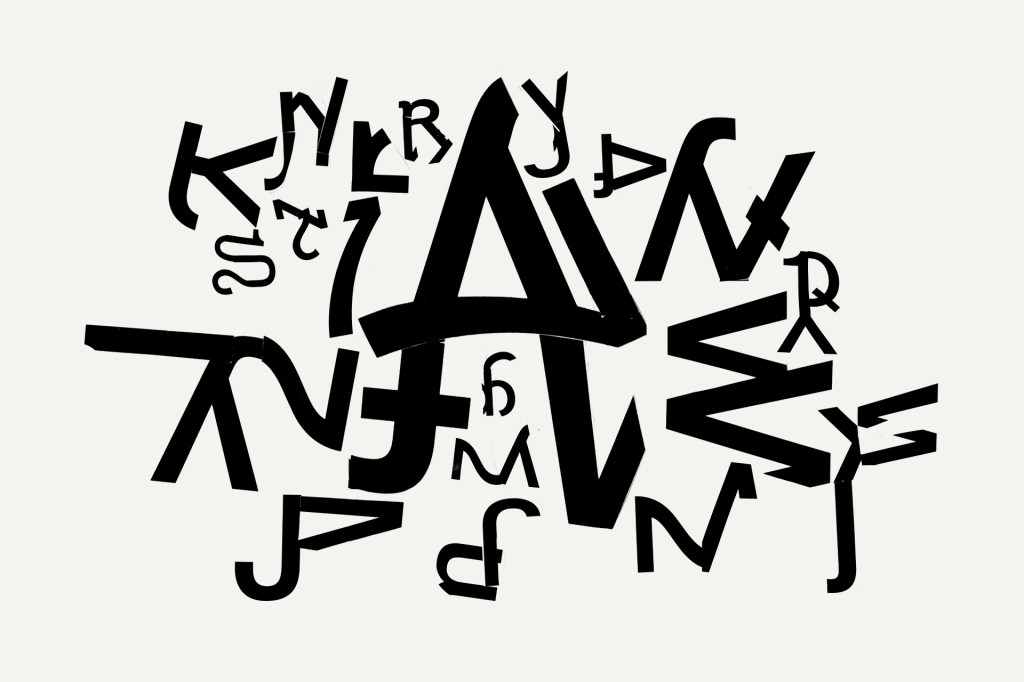
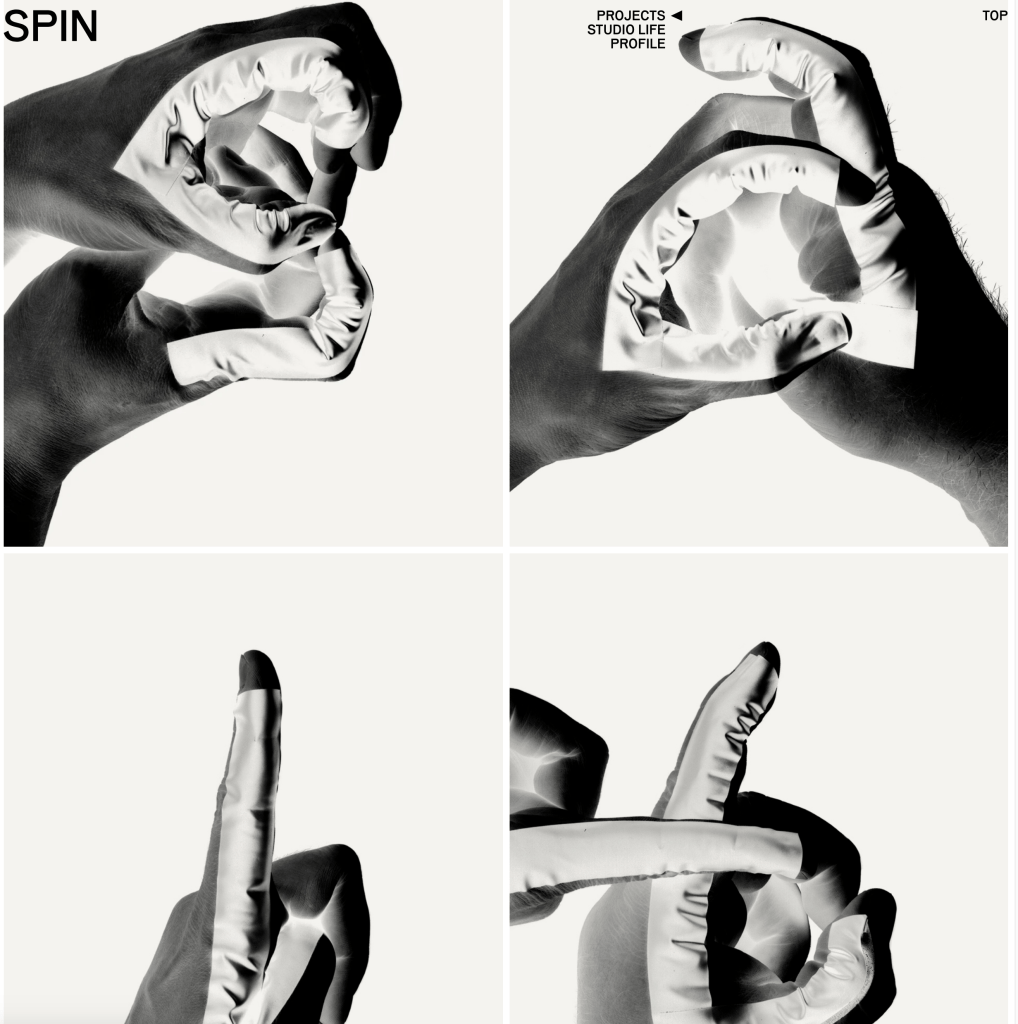
Spin studio have published two journals – SPIN/ADVENTURES IN TYPOGRAPHY 1.0 and 2.0 for all behind the scenes creative work that happens in the studio, encouraging employees to experiment and not be afraid of what the outcomes are.
The analysis of the project on the website states the following:
“The journal format offers the studio a vehicle to share aspects of our culture, and allows us to record our creative interests and outputs—the stuff that normally goes unseen. The second issue of ‘Adventures in Typography’ finds us settled into our new studio. Our new space is purpose built, surrounded, as we are, by plants and herbs it is literally a breath of fresh air.
We have spent time making by computer and by hand—analogue and digital in concert—to capture the feeling of the unexplored possibilities that lie ahead. This mix of experimentation and play allows us to make work that is outside our comfort zone. Failure doesn’t seem so scary as we give each other the support and confidence to push ourselves collectively. We found the process exhilarating and challenging, we hope you that you find it interesting and even inspiring.”
Here are some of the photos from the journal:

• Research how and why graphic designers struggle with their mental health. Why is this happening and why this system hasn’t been changed?
This article by Huddle Creative pinpoints some of the pressures designers face whilst working in the industry.
High screen time; the advancement of technology and the digital world unfortunately means more time spent on computers, phones, tablets etc. This could be resolved by having activities in the workplace, more breaks from screens, and encouraging staff to experiment with mixed media, craft and photography, getting people outside, talking, and away from the screen.
Long hours; things don’t always go to plan. What if there was a system in place to allow for mistakes? Maybe split the project between the team. Feel supported during these times, and allowing for mistakes in the first place will take the pressure off everybody involved in the long run.
Little pay; designers do work they’re passionate about, not for the money. Incentives need to be brought in for the workplace and freelancers need to charge more.
Constant criticism; pouring your soul into a project only for the client not to like it. If there are multiple issues with a client, ask why. If the pattern repeats itself maybe the way you are communicating isn’t working (phone calls for example; why not arrange to meet), if the client is generally being difficult ask yourself where your boundaries lie?
• How can craft be reintroduced to the design tech world whilst appearing modern?
For students: There are workshops run by Typographic Summer School – great idea for getting people to make use of their time away from studying, school/college etc.
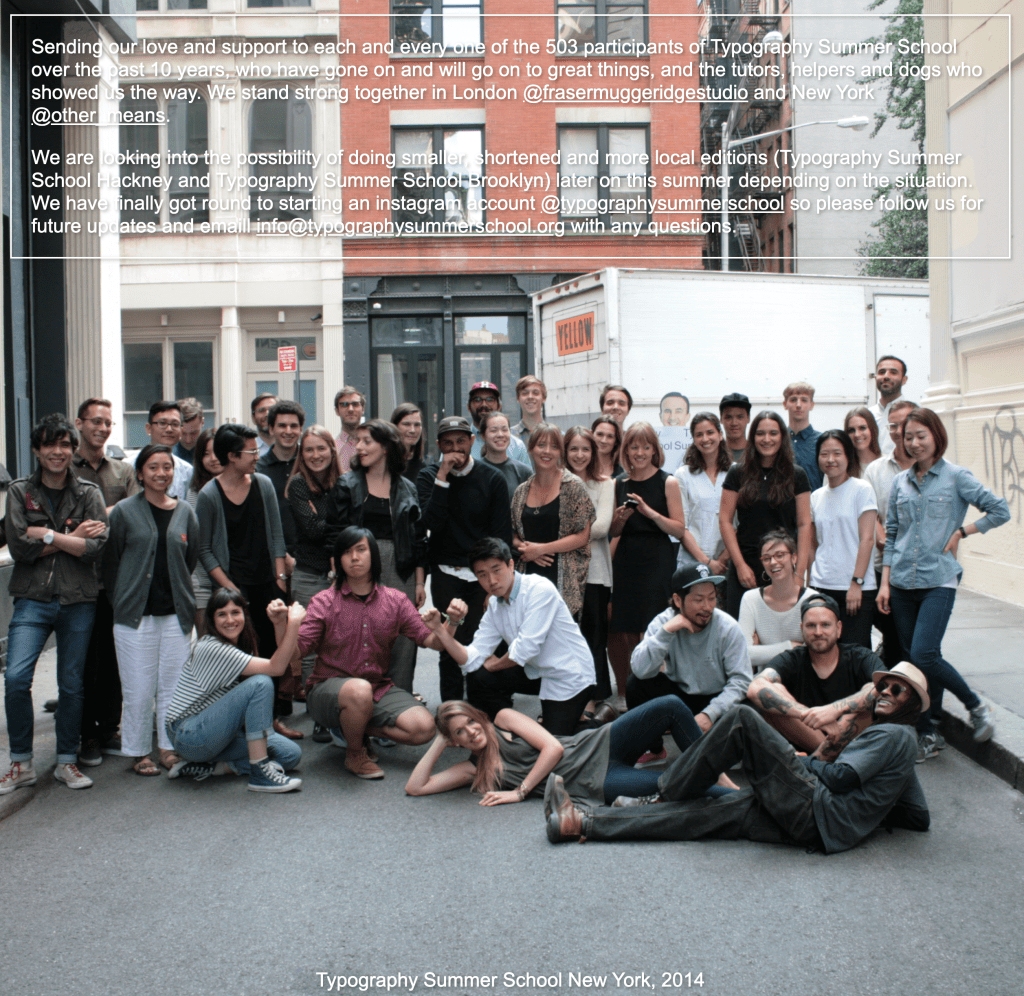
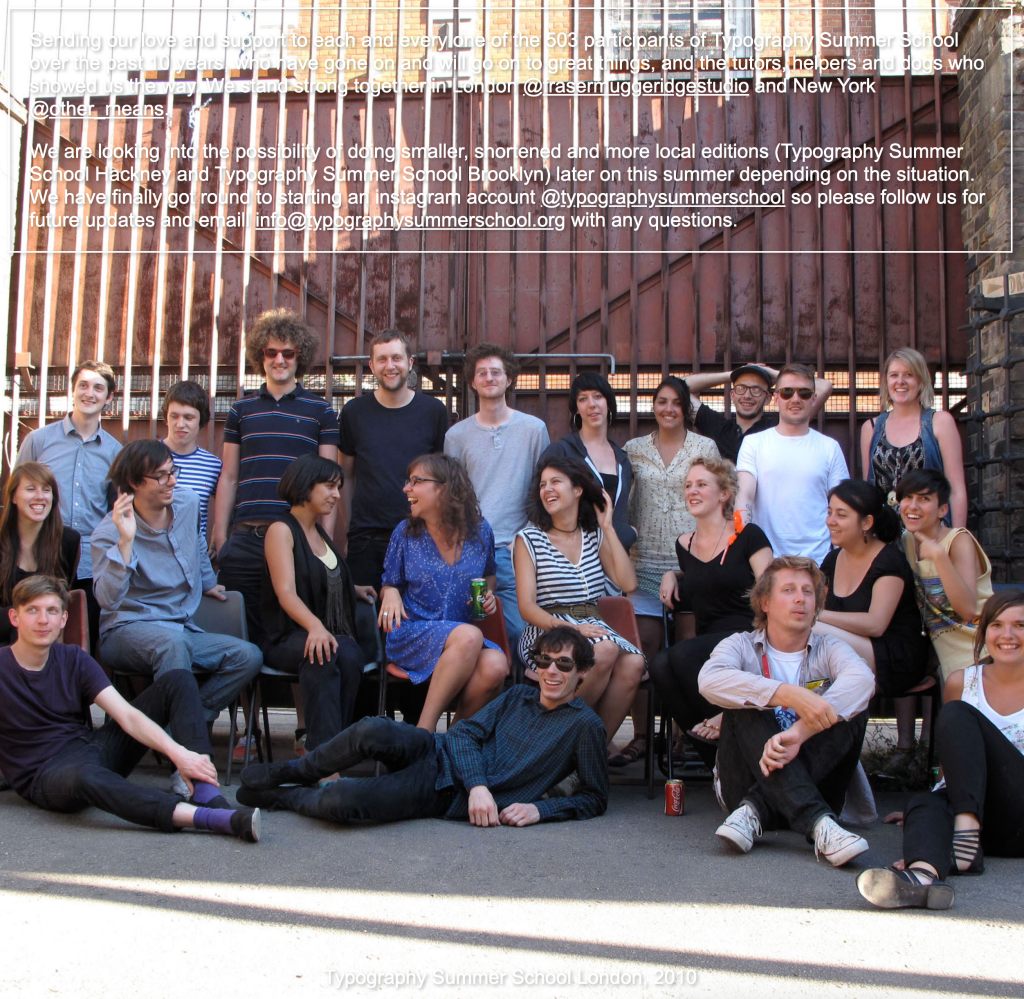
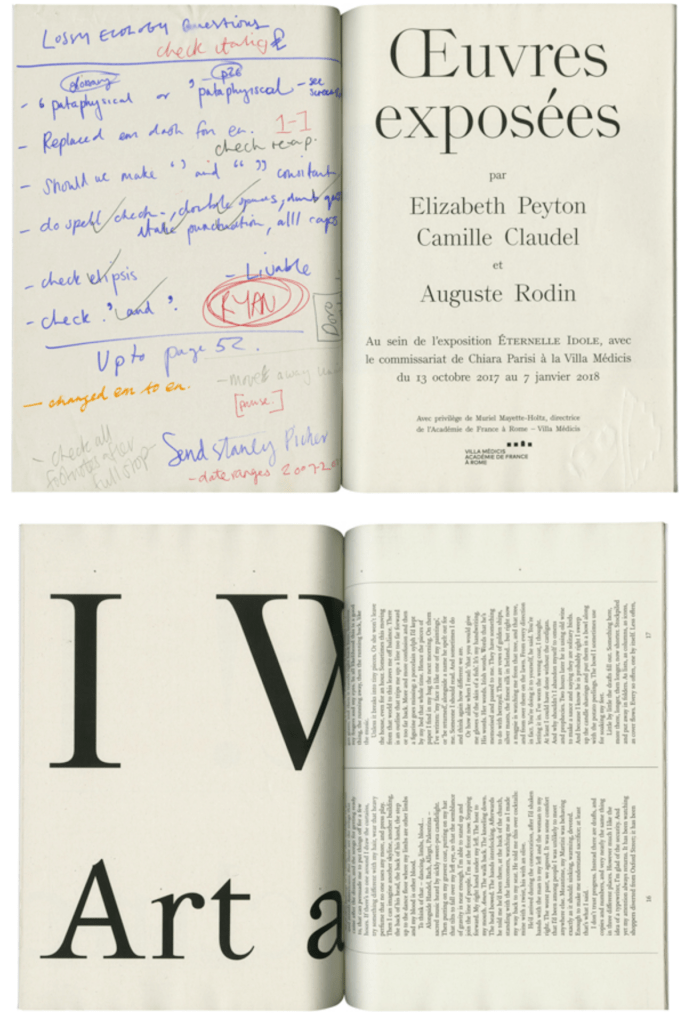
For the workplace: Fraser Muggeridge studio (pleasedonotbend) created a ‘Have you printed it out?’ project in 2018, involving scanned in documents from SPIN’s graphic design studio:
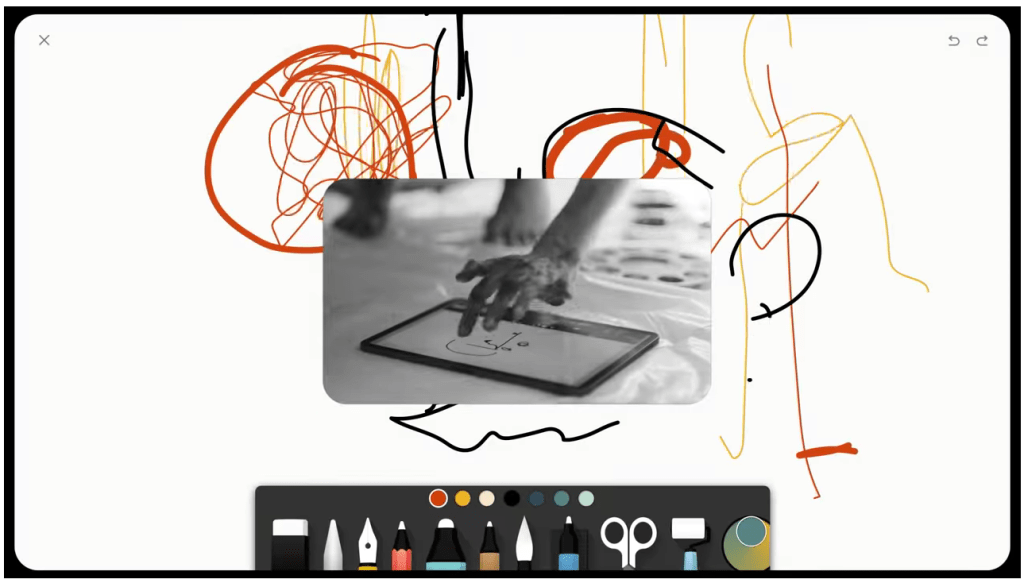
WeTransfer campaign (above video) urges creative workers to limit screen time as it can be the complete opposite of inspiring for creatives; I think there is such a thing as absorbing ‘too much’ information especially from online websites, news articles, social media etc. I think spending too much time on the screen is counterproductive – you absorb information you don’t need and that can be overwhelming. There are multiple ways to find research offline which I try to use – books, photos etc. – that inspires me more than online content and is actually relevant on a certain topic you need. It’s also more satisfying to have produced something whilst in the process of making something bigger. This is the feeling I want designers to achieve when using my project outcome.
• Mindmap processes to connect the dots:
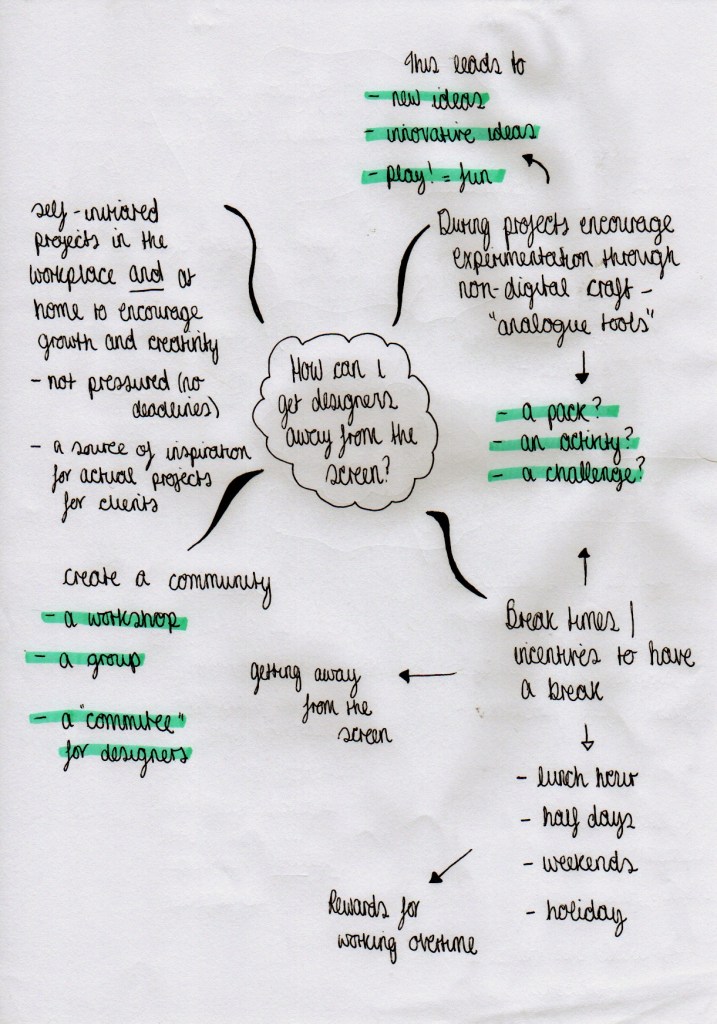
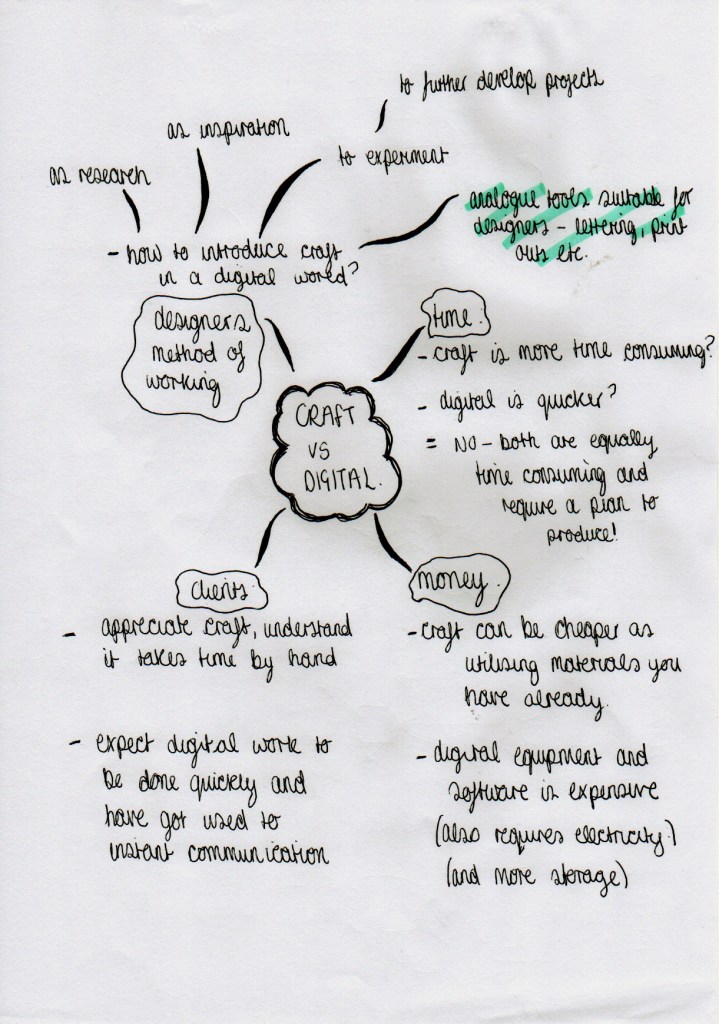


• Looking at trends right now. Is there anywhere I can research outside of creative world i.e has Covid-19 brought a rise in mental health cases and how is that being combatted?
Very interesting article exploring mental health cases that have risen during the pandemic. These are the facts that shocked me most:
• 7 out of 10 young people say mental health is weighing them down. This was just one of the insights the team uncovered through Pew Research.
• In the six months after the government announced the first UK lockdown, the CALM helpline answered 71,261 calls and chats; “That’s over 12,000 hours talking to people and 645,240 chat messages exchanged around topics such as isolation, anxiety, relationship concerns, health worries, financial stress and suicidal thoughts”, says Simon Gunning, CALM CEO.
This advert on Dave TV channel is a great way to raise awareness. Releasing this means mental health isn’t being ignored and it’s being talked about, and comforting those who just needed a bit of encouragement to ask for help. World Mental Health day has raised awareness:
Scotland’s national programme See Me released a video aiming to end mental health discrimination:
I think the most important thing to remember about mental health deterioration is that it can happen to anyone and it can happen at any time. Everyone leads a private life and if they don’t talk about it; it’s likely nobody will ask. Campaigns are trying to change this by getting people to ask in the first place, as people are more likely to talk about it when asked. I think it’s a really good motivational tool to raise awareness.
I want to consider all of this in my outcome. I want my project could bring together a community of people so that they can talk to each other if they need to. Even just having time to have a call with/meet up with a friend could make the world of difference to someone’s wellbeing and mindset.
 jesswhatley.design.blog