
Communication styles
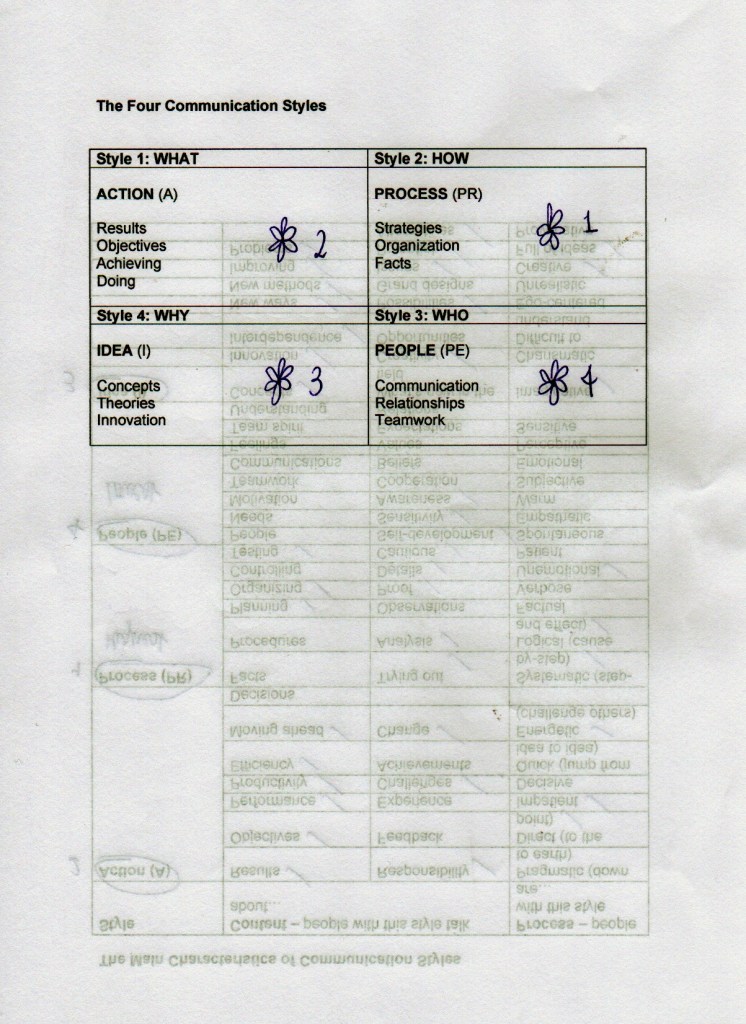
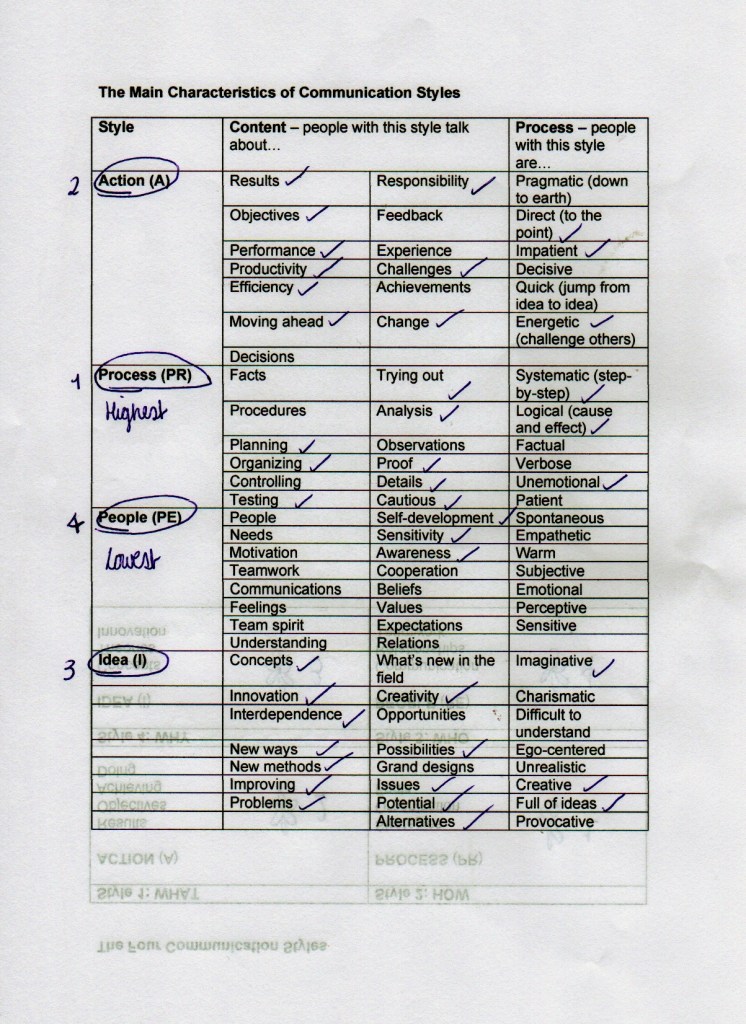
- Intuitive communicators are unemotional and freeform. They want bottom-line communications that are short and to the point and that don’t waste their time.
- Analytical communicators are unemotional but linear. They want confident communications that convey expertise including hard facts and numbers.
- Functional communicators are emotional and linear. They like to have control of the process, so give them process-oriented and linear communications that start at A, and then flow from B to C and all the way to Z.
- Personal communicators are emotional and freeform. They want to establish an interpersonal relationship, so use emotional language in an informal, friendly and warm way that gets them involved in talking about factors including who else will be involved and how what you’re asking them to do will impact their feelings.

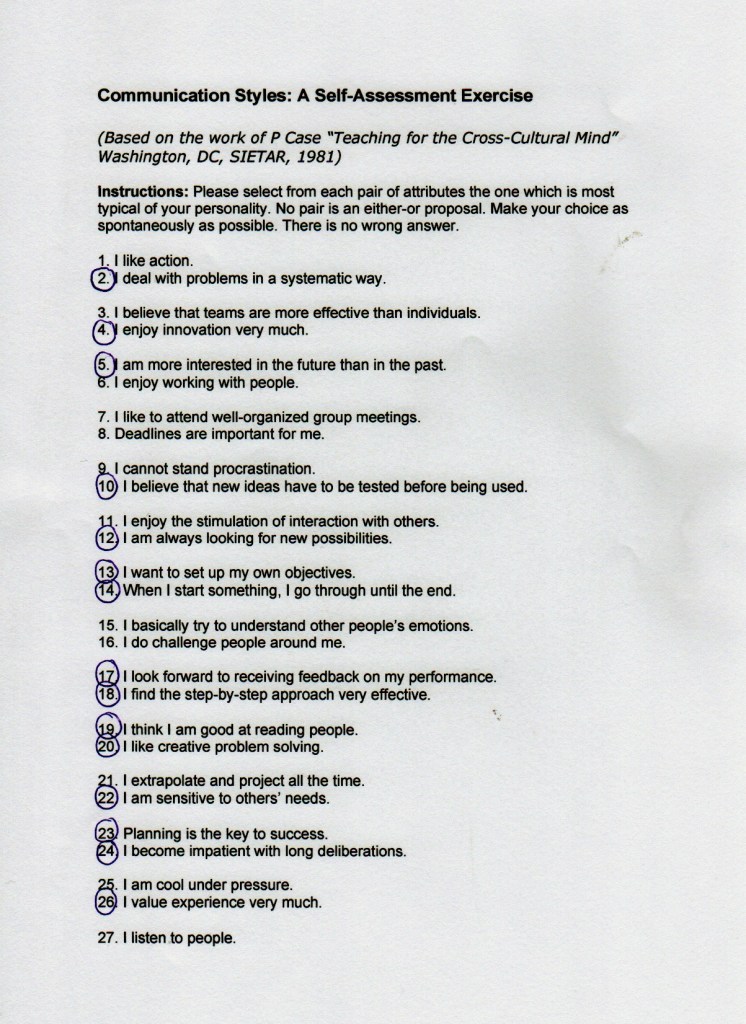
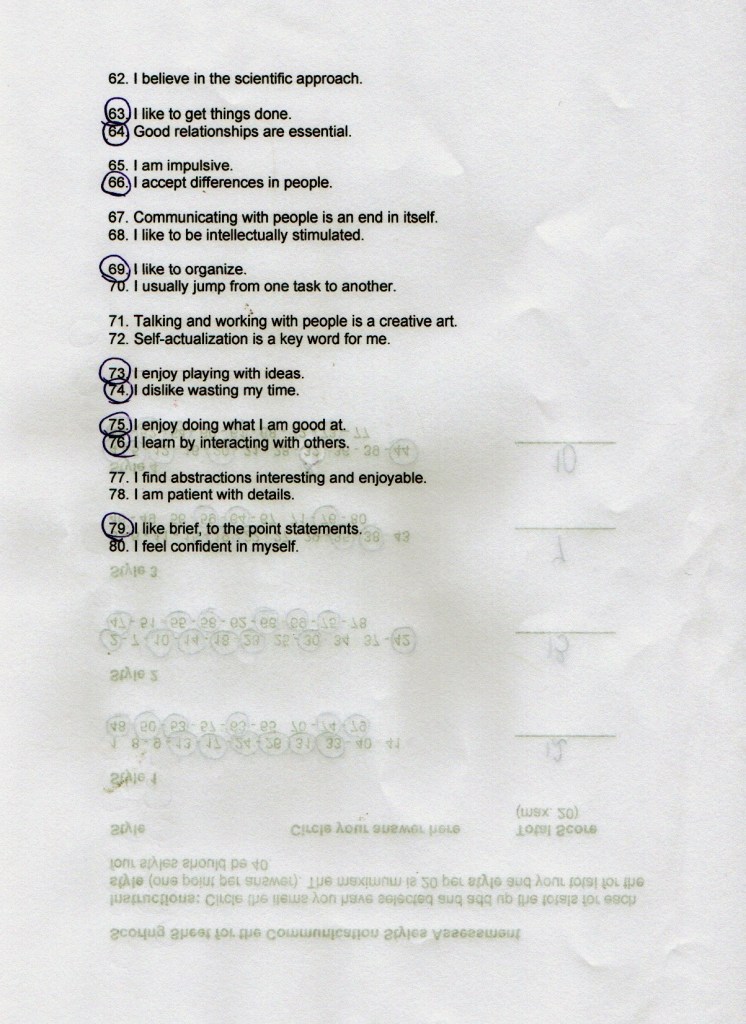
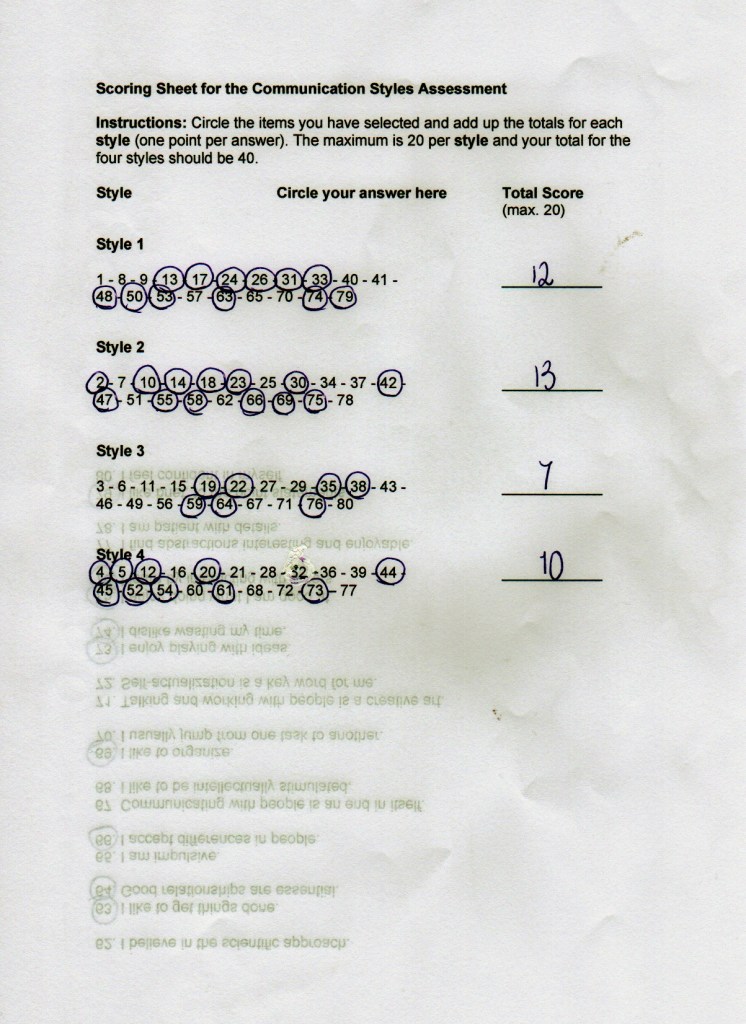
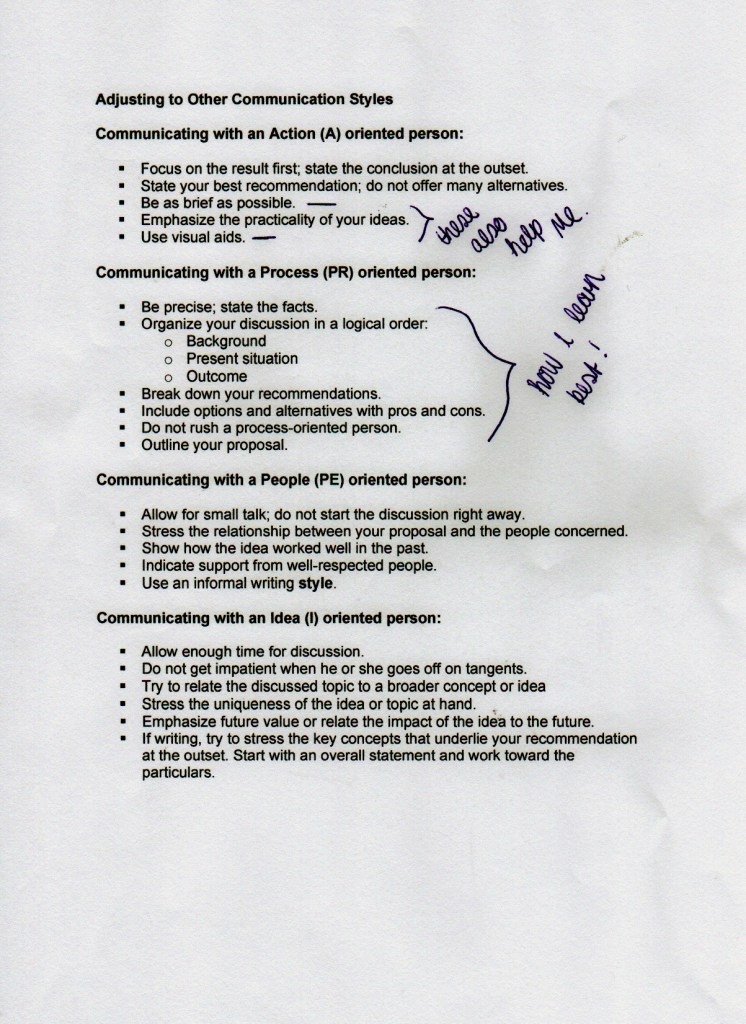
What one am I? (self assessment):
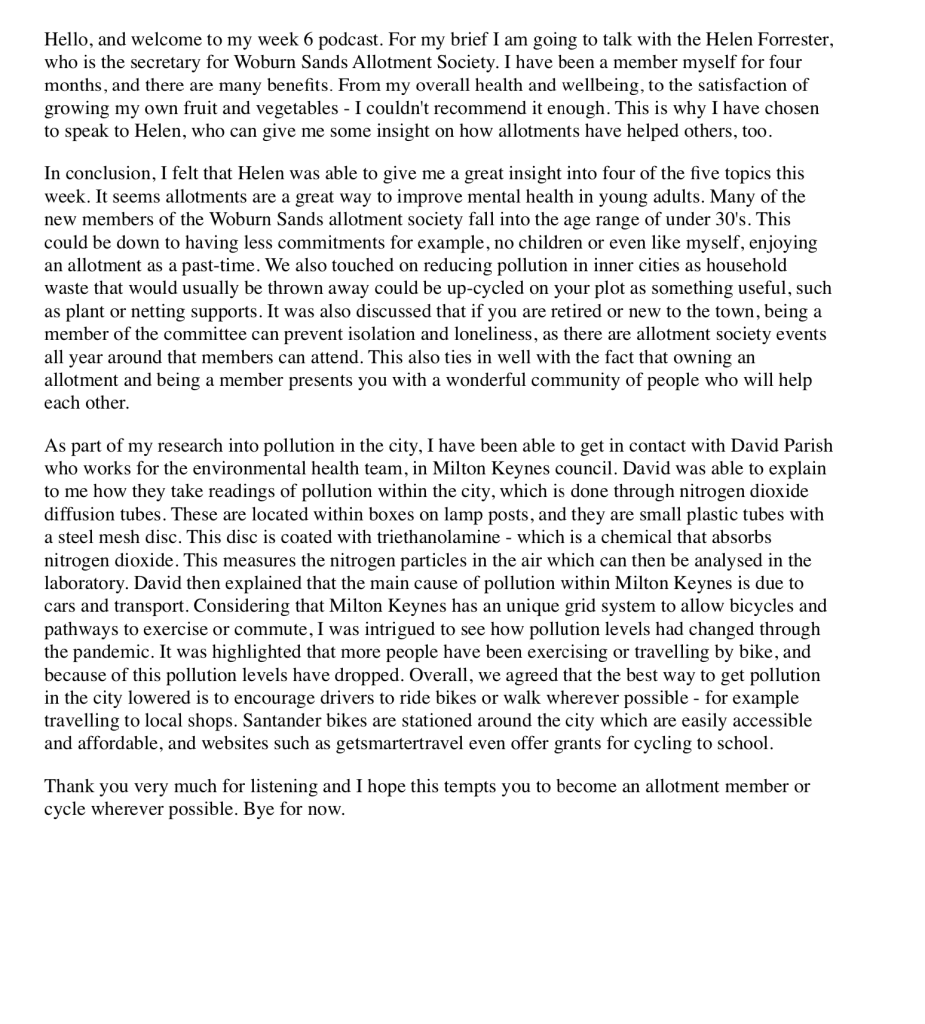
Podcast
Mindmapping:
- Improving mental health in young adults.
- Reducing pollution in inner cities.
Encouraging greater engagement with galleries and museums.(I’m not going to explore this one as it relates quite closely to the museum challenge I’ve just done and I want to do something different)- Reducing isolation and loneliness.
- Promoting greater community cohesion.
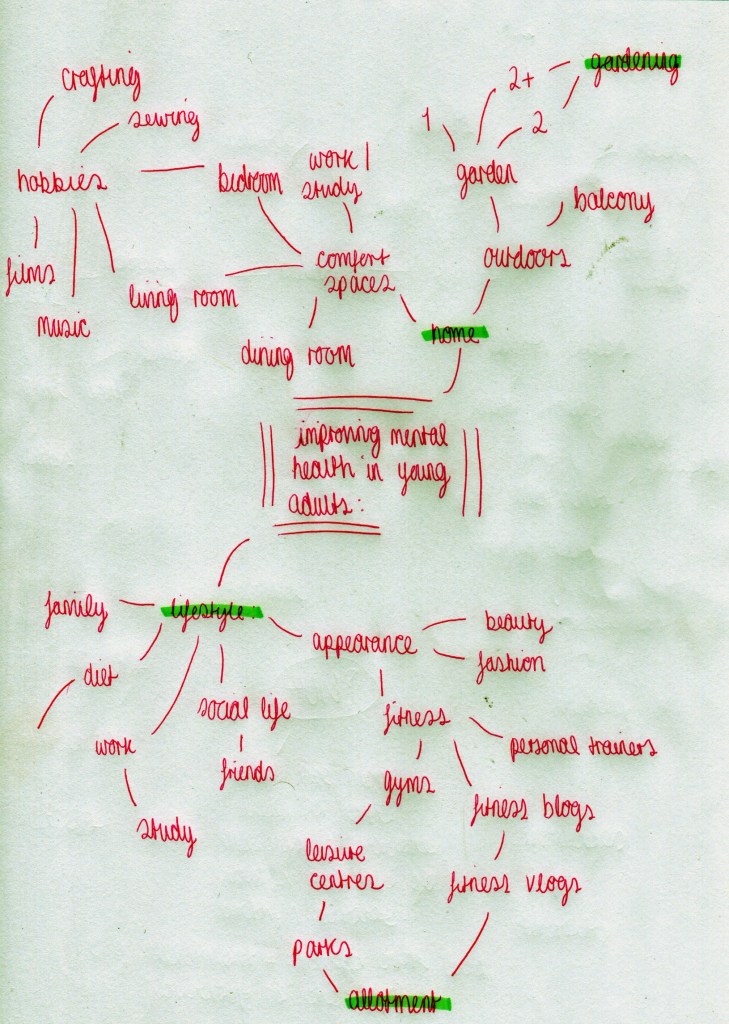
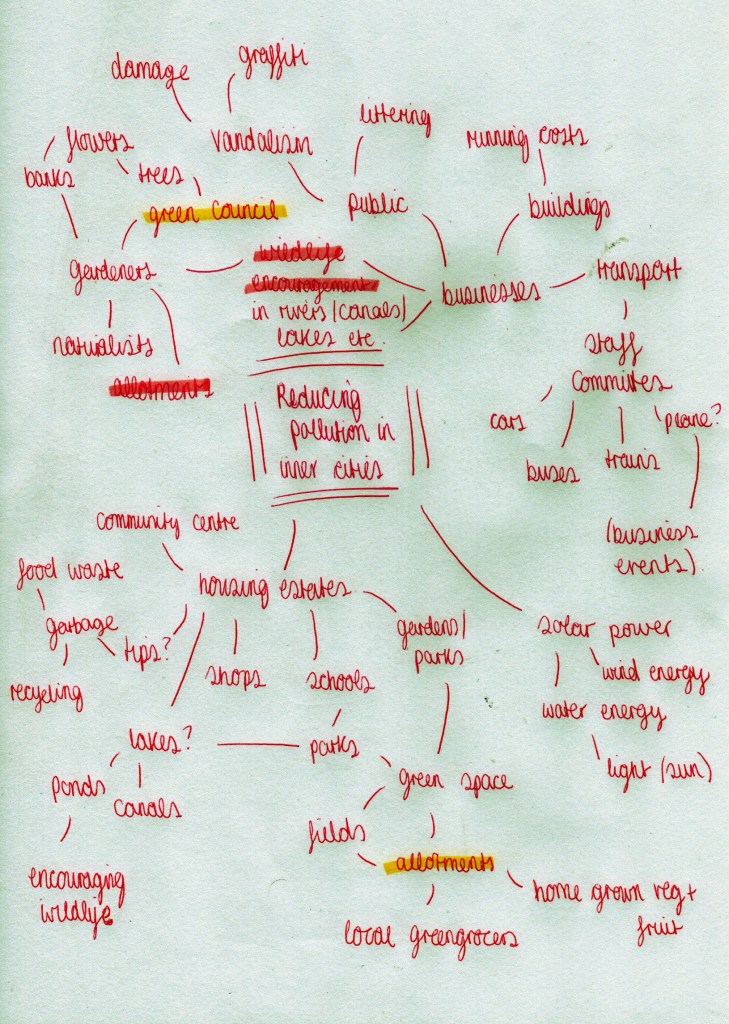
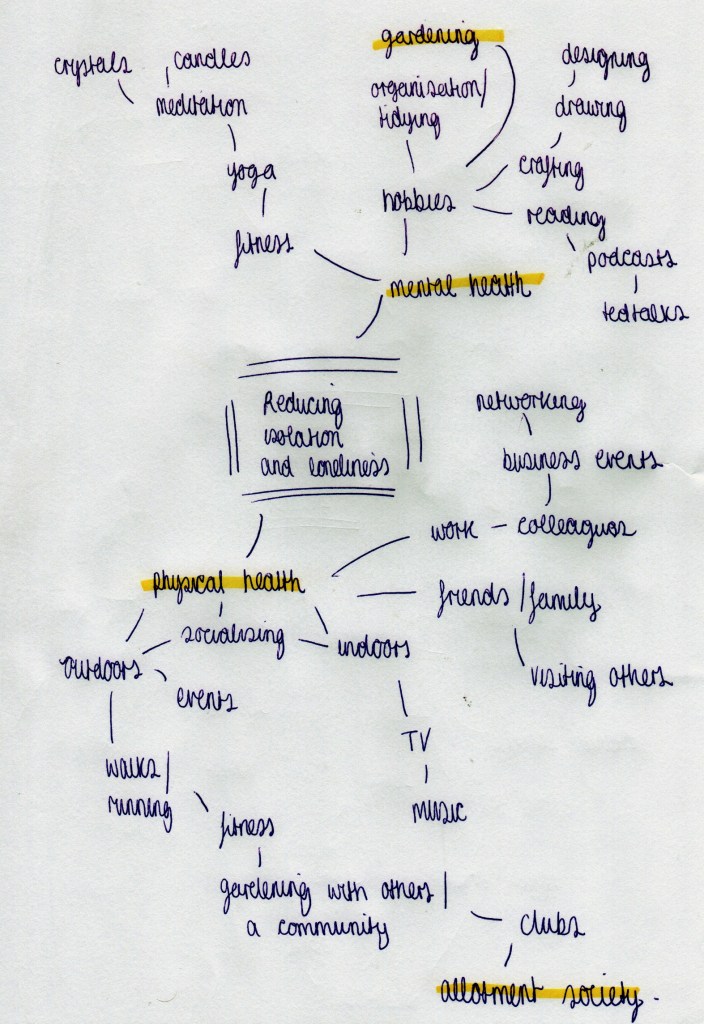
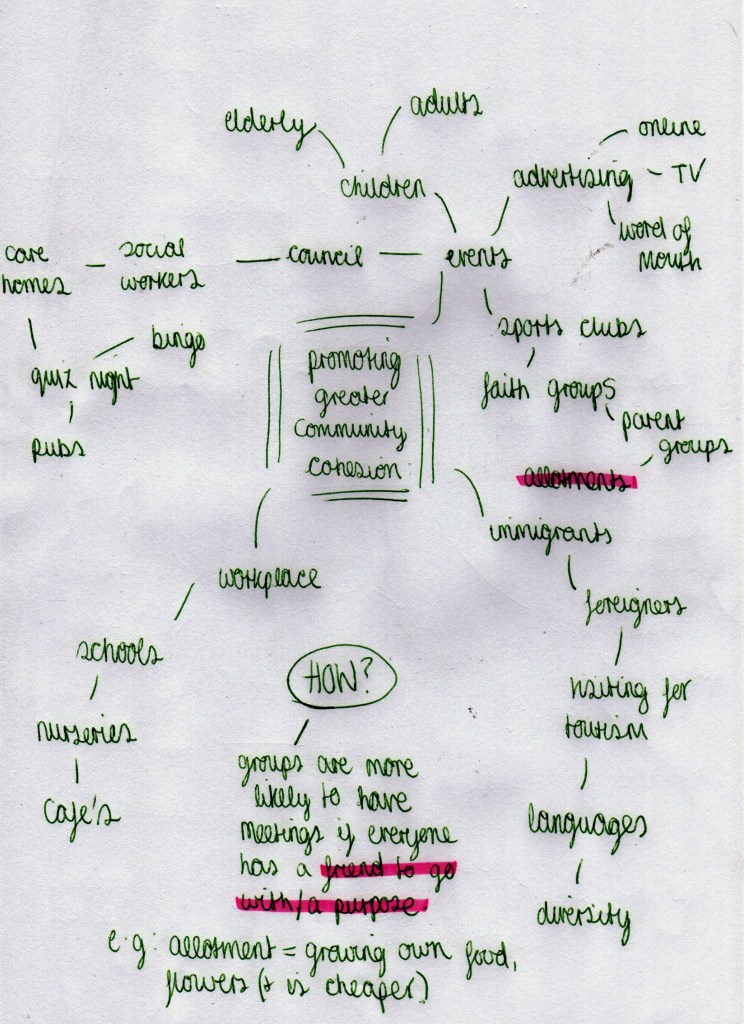
When creating my mind-maps I noticed a recurring pattern. This could be down to me being interested in the allotment but I actually found it ties in with four of the subjects really well and I’m wondering how I can tie this in to my podcast.
It would be great if I could speak to someone at the allotment society about how owning a plot has benefited their lives in different ways to mine – another outsider view would be a really good discussion. Some ways I could do this are:
• advertise on the billboard at each entrance (there are several)
• contact the committee by email or phone
• talk to people up the allotment when I visit
To begin with, I felt emailing the secretary of Woburn Sands Allotment Society, Helen, as she was my main contact when I became a member. I had her email already, so figured I would email:
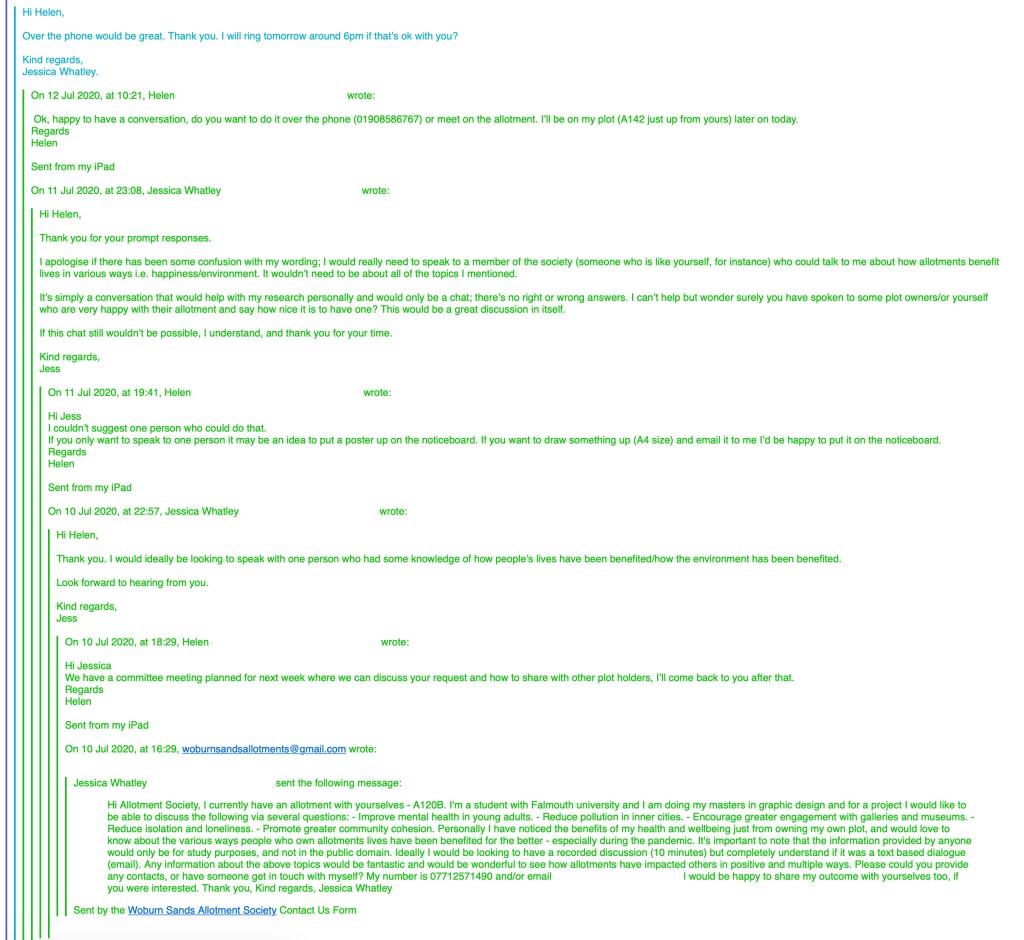
Whilst I was emailing the society, I researched into the environmental health team in Milton Keynes council to try and see where that went. I sent an email to them enquiring about pollution within the city and how levels have been altered during covid-19 – mainly because I think there is a lot to be learnt from people staying indoors environment wise (less traffic, for example):
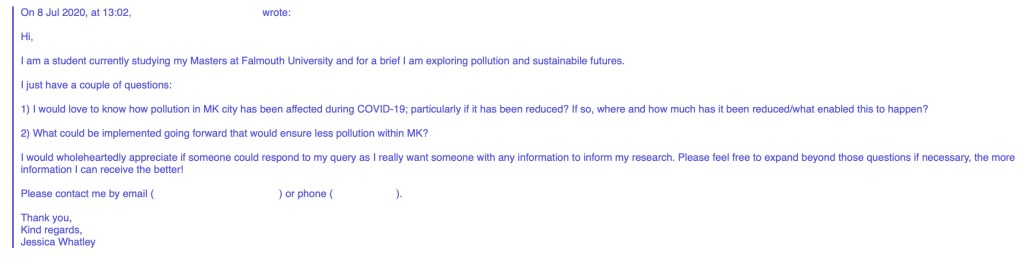

Peter phoned me and left a message right before I was scheduled to ring Helen for our discussion. I called Peter back and we talked about pollution in the city; and he provided some really great information –
• the environmental health team produce a status report annually exploring the levels of pollution in the city – see 2019’s here – peter advised they are behind on releasing 2020’s due to his colleague being on maternity leave, but I think the outcome of that will be really interesting this year!
• there are currently three monitoring systems located in olney, newport pagnell and bletchley to give accurate readings
• boxes on lamp-posts record the pollution in the air by detecting nitrogen particles with a perspex plastic tube (called a diffusion tube – explained on link)
• MK’s grid system/redways enable people to travel by bike or walking/running yet vehicles on roads are the main cause of pollution in MK as it is so busy
• since the pandemic there has been a huge uptake in cycling and therefore a drop in air pollution – will people implement this going forward? will people realise they can cycle to their local shops for instance?
• getsmartertravel have offered grants to schools to encourage cycling
• air quality england is a really useful resource to see pollution levels anywhere in the country, with networking in regions or local authorities
Peter also kindly offered his contact details and said I could contact him in future about anything I want to know more on (which I have no doubt I will at some point as it’s such an interesting topic to me!).
Initial recording:
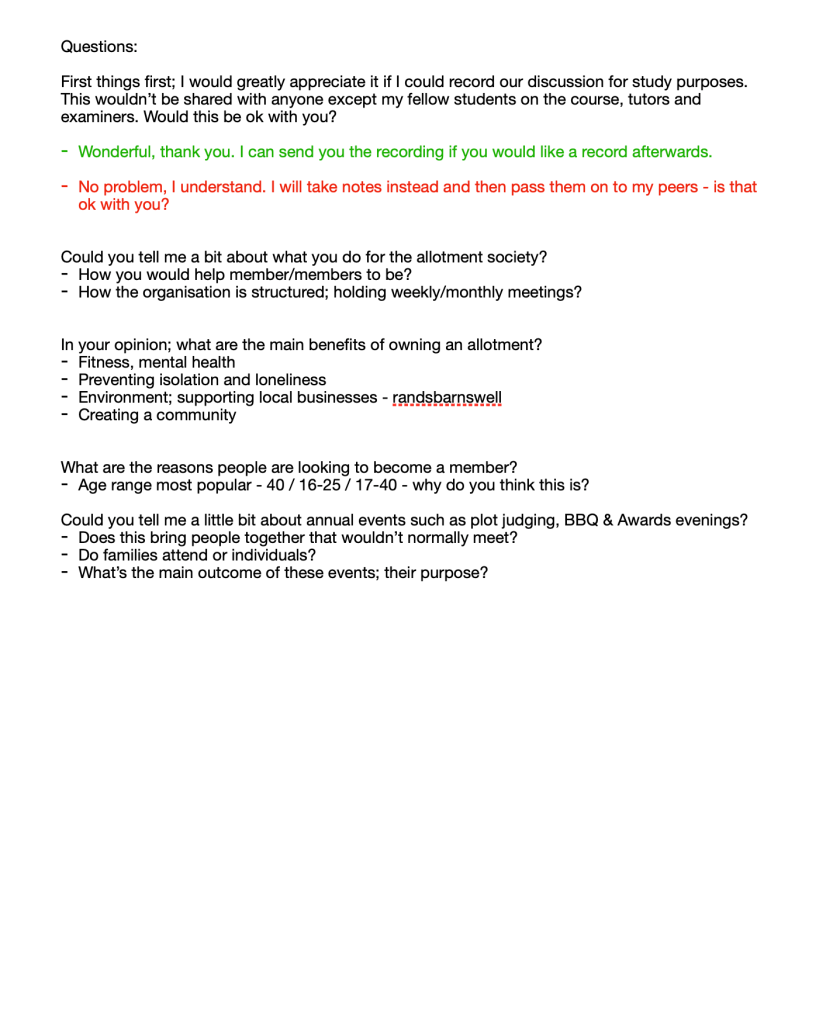
I planned out what I wanted to ask in advance and as I was nervous thought it was best to prepare for yes or no answers to being recorded.
I recorded Helen and I’s discussion using a recording device as she was willing to talk to me via telephone. Some of the speech was quite quiet at times but nothing I couldn’t fix in Premier Pro (audio gains were adjusted by 10 in certain sections).

 jesswhatley.design.blog