
Further research
The Future of Flowers – Bompas and Parr
The above is a visual essay from a botanist named Jennifer C. McElwain that explores a response to the question ‘What is the future of flowers’ (from both a technological and ecological perspective) that Bompas and Parr beautifully illustrated with gorgeous fluorescent floral photography. I am so utterly inspired by these photographs and I am so curious to try and do this effect in Photoshop with some of my own floral photography.
Experiments
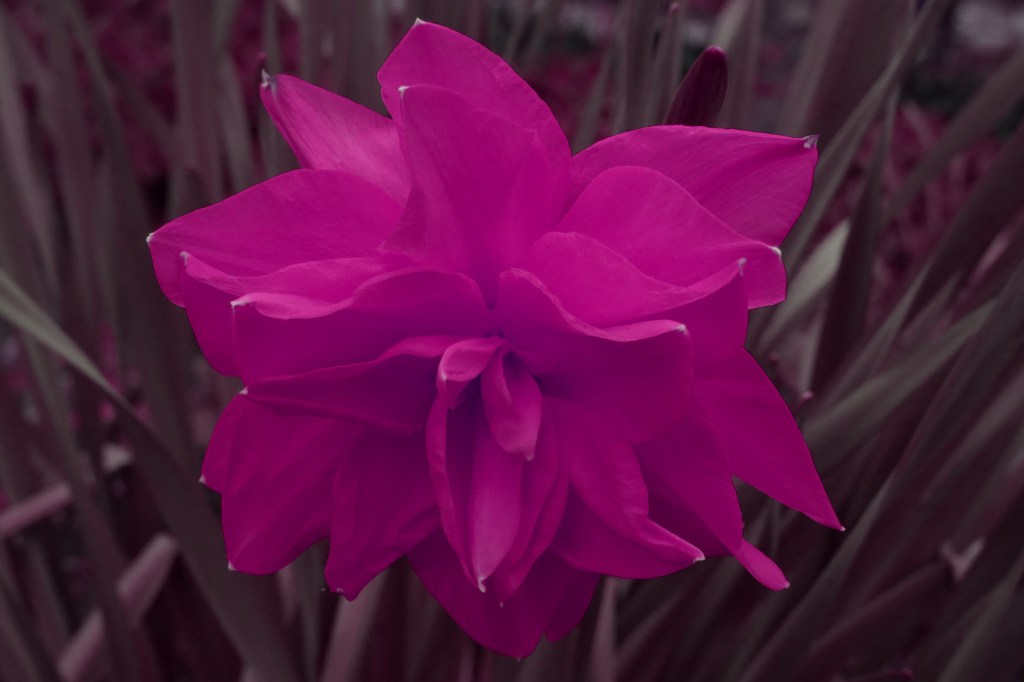
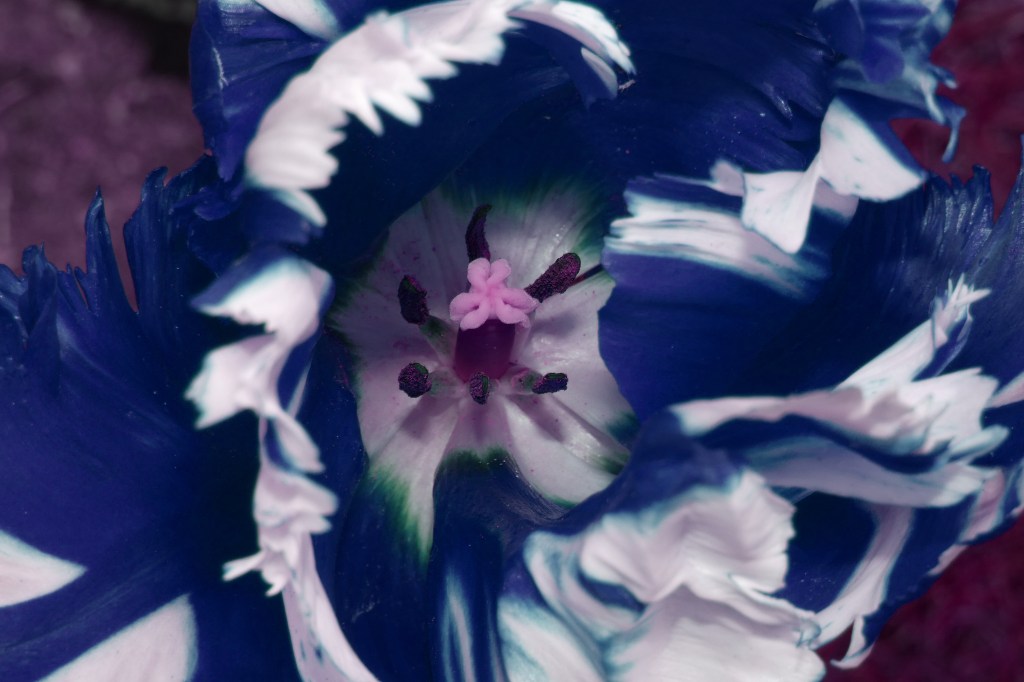
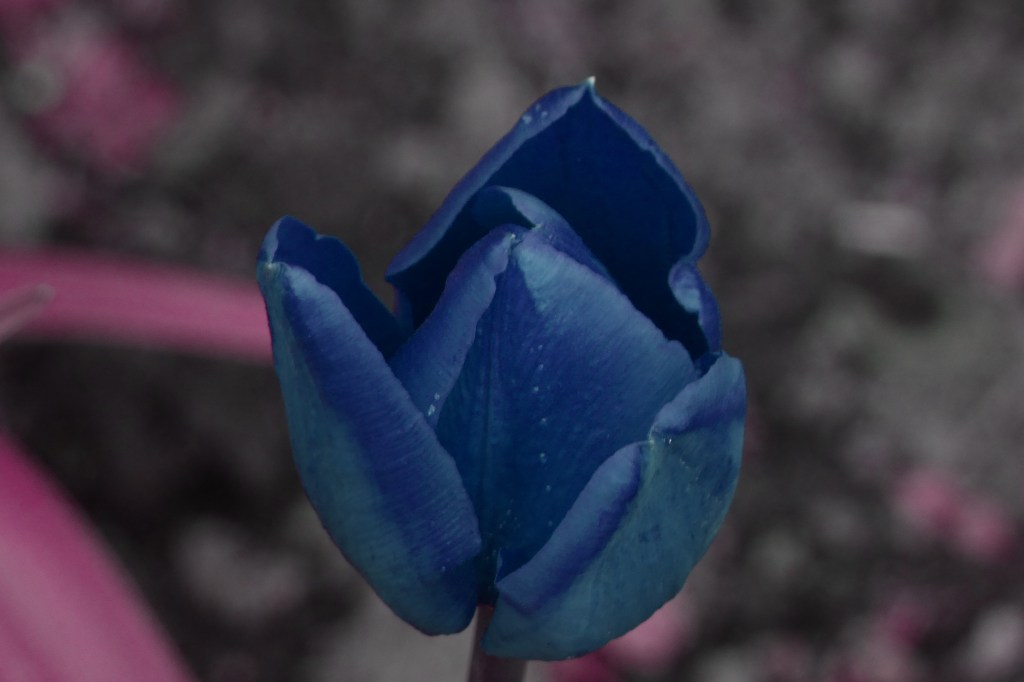
Testing the UV light process in Photoshop through splitting then merging black and white/colour channels. I needed 2 versions of the same photo, 1 colour version and 1 black and white version. I opened these in Photoshop, clicked on ‘Channels’ and split them to separate the colours. Then I merged them and arranged them as RGB differently to represent UV light.

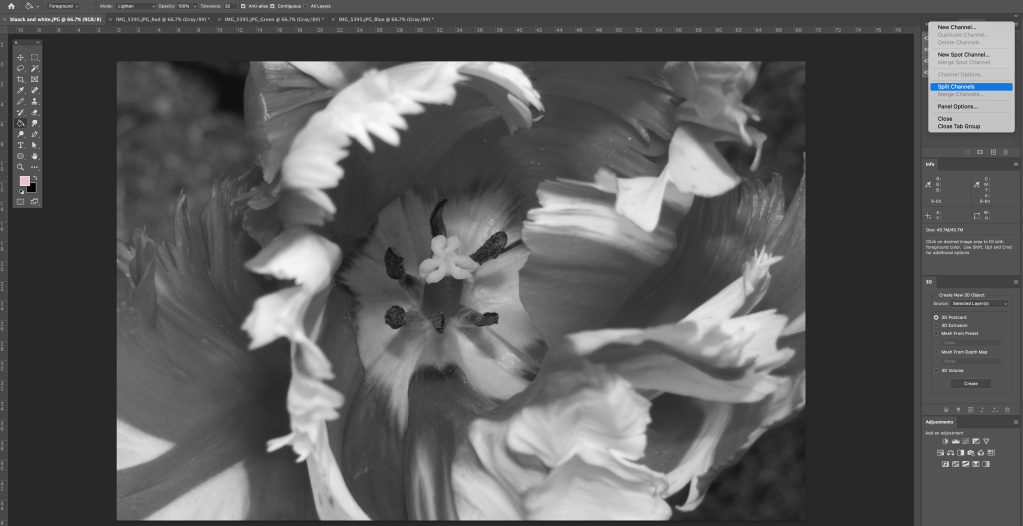

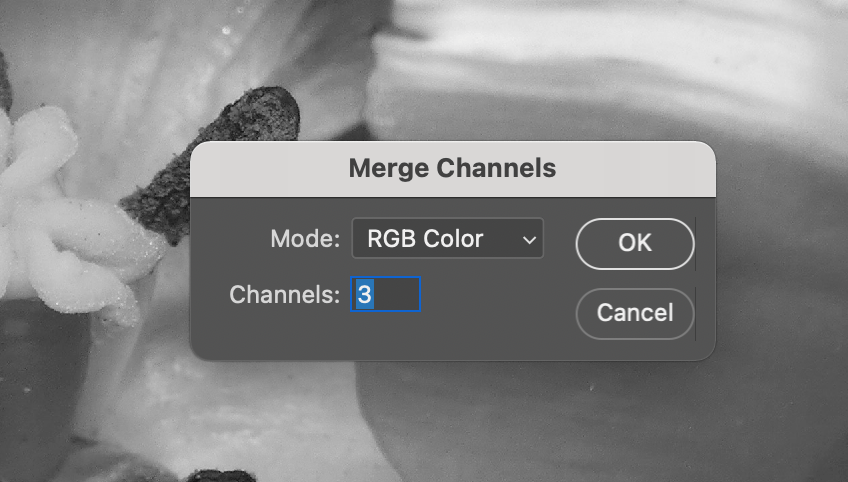

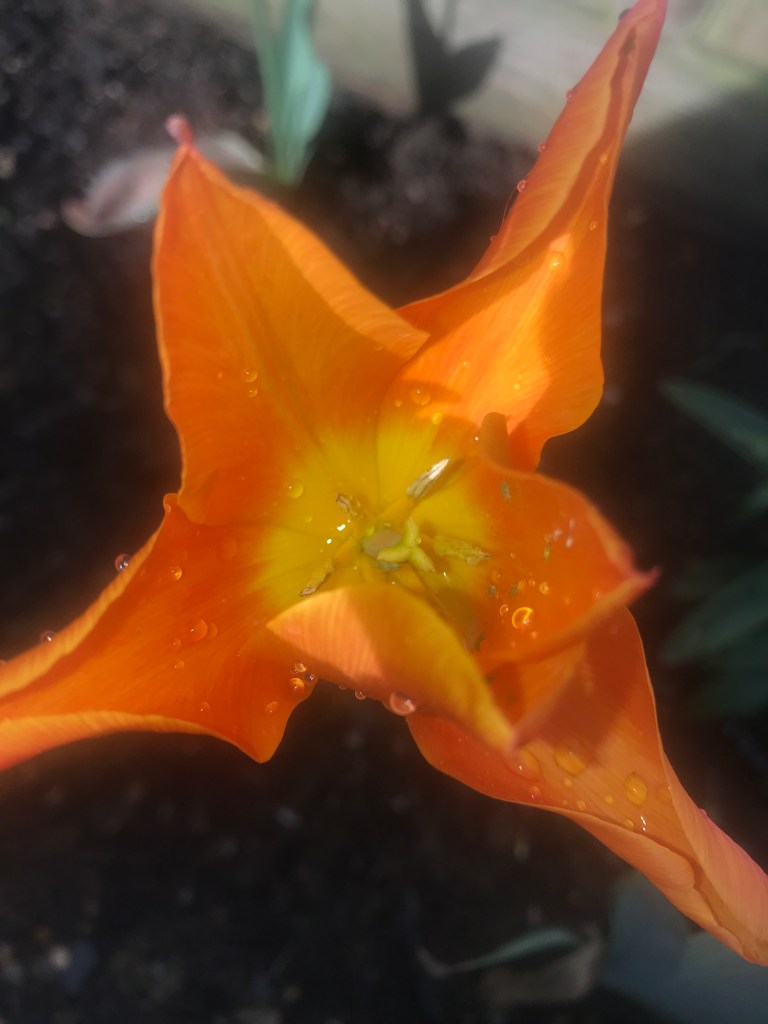
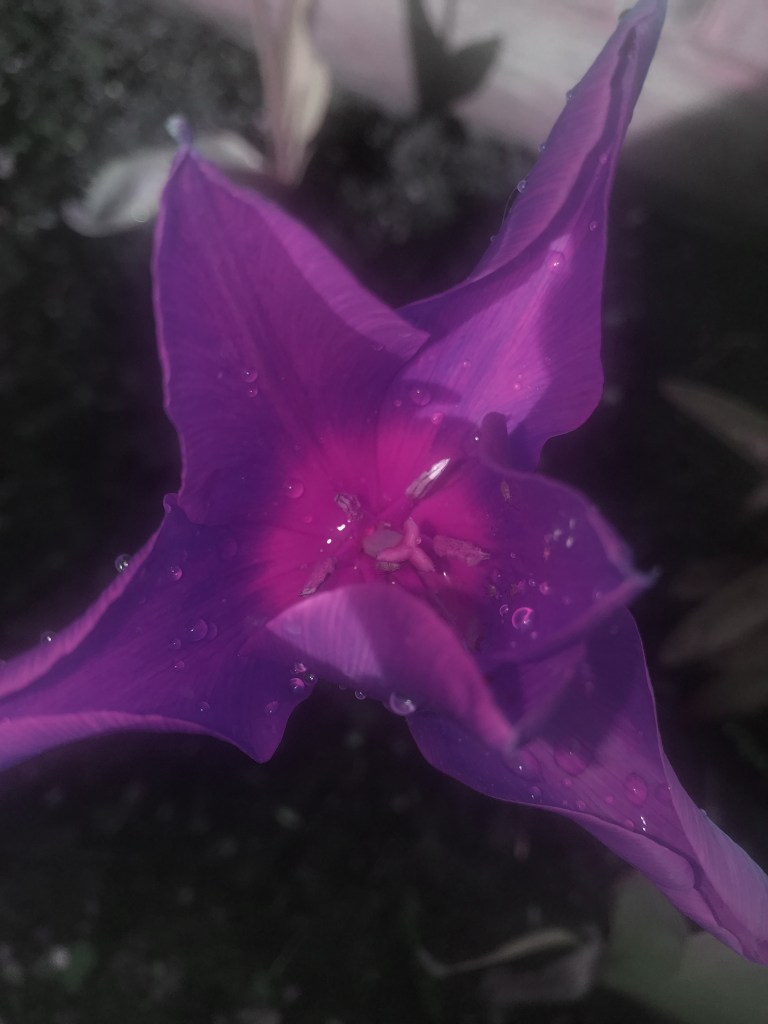
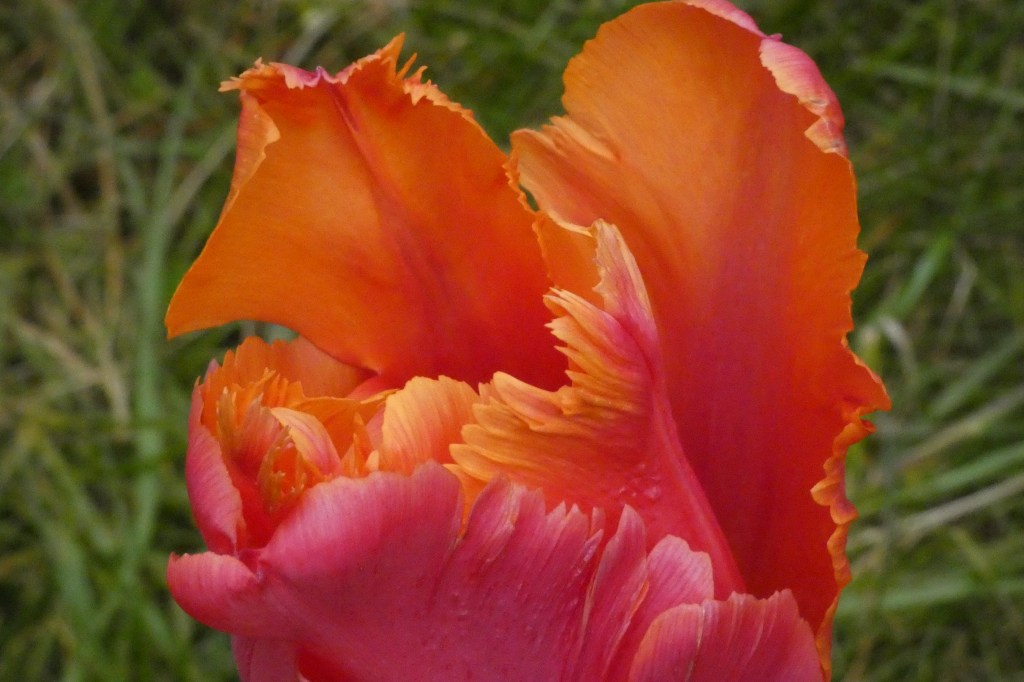
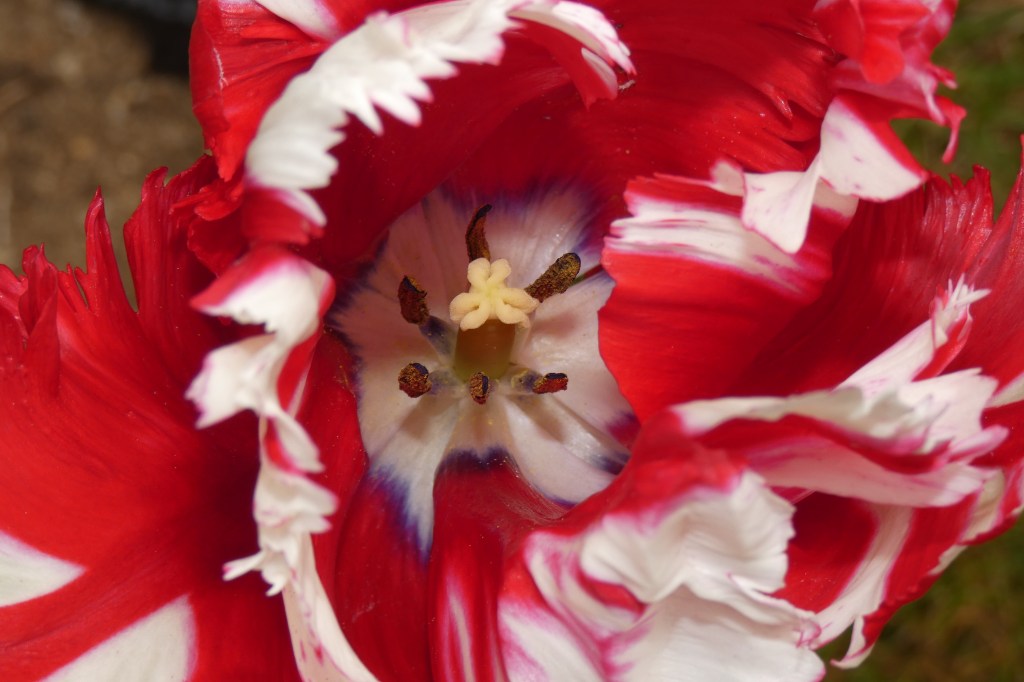
Bees don’t see red or pink (they see red as ultraviolet) so I used some pictures to see if this photoshop method would work effectively. I think it did, as these are the results:

2 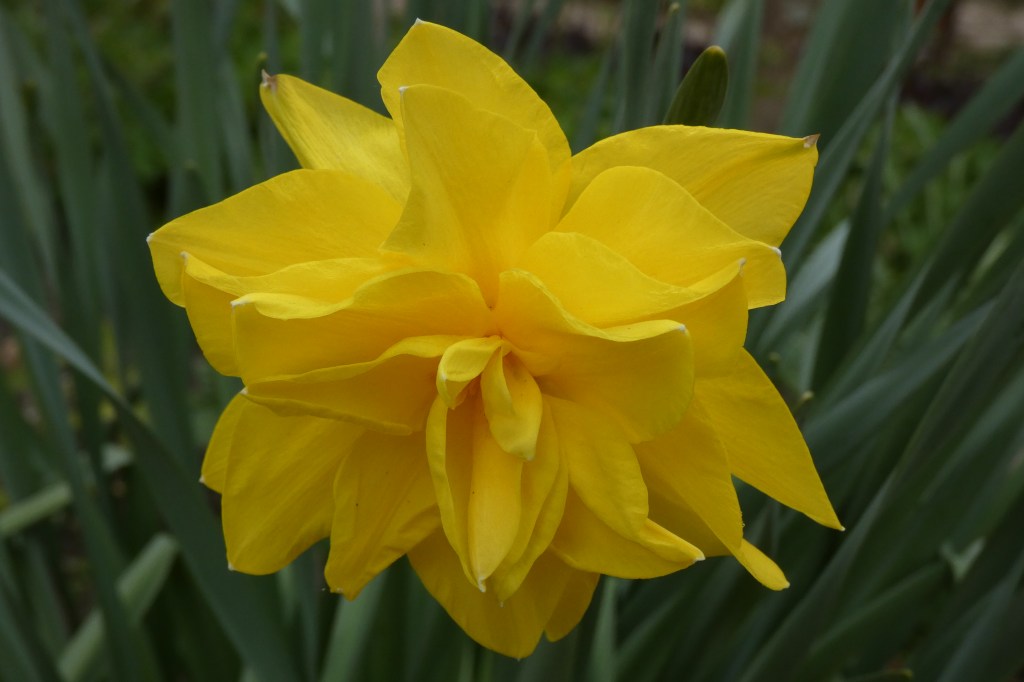
1 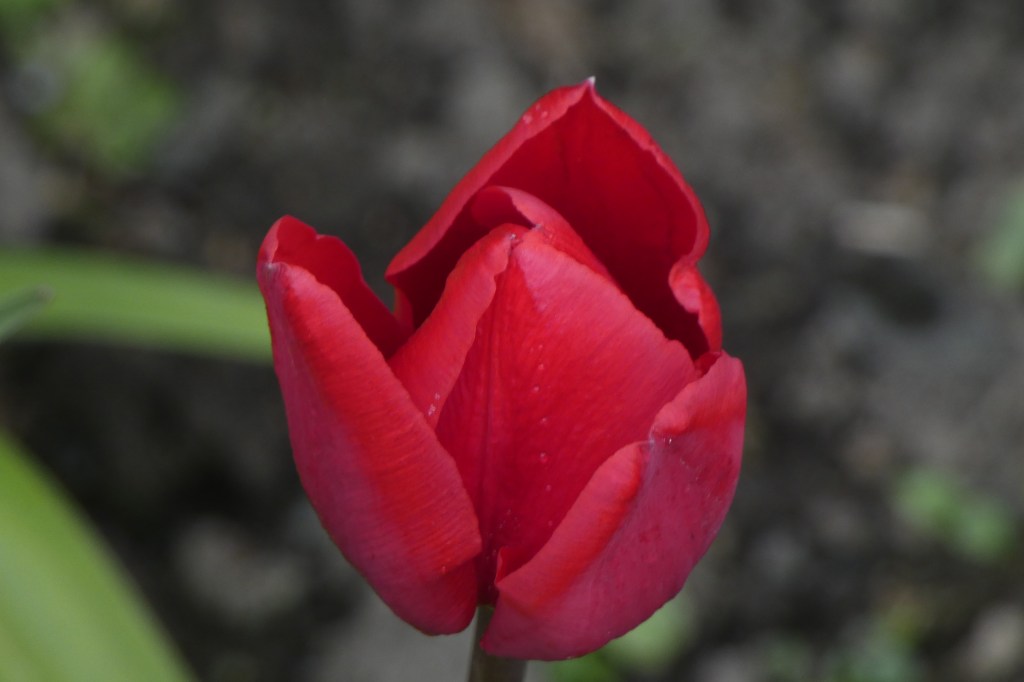
3 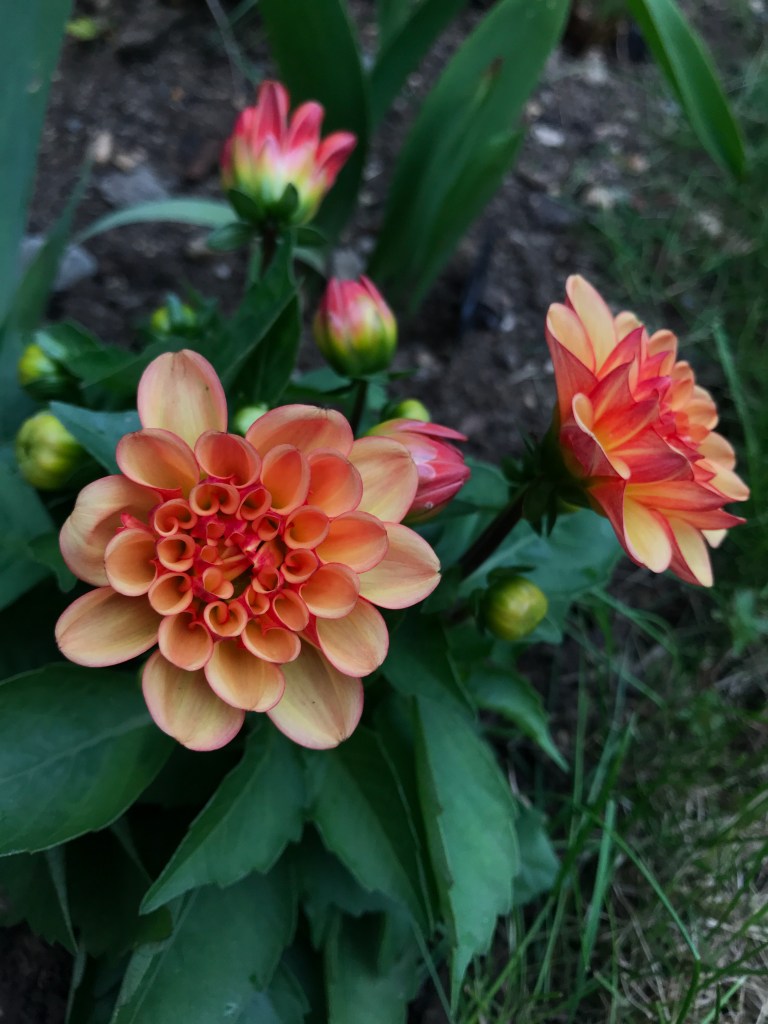
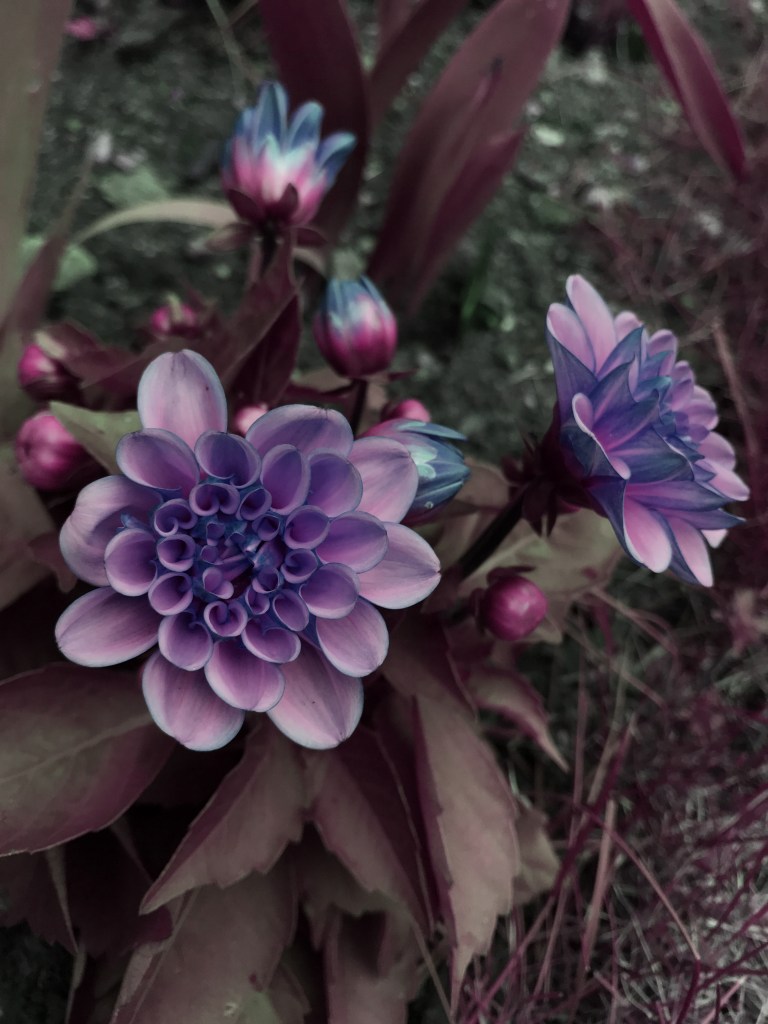
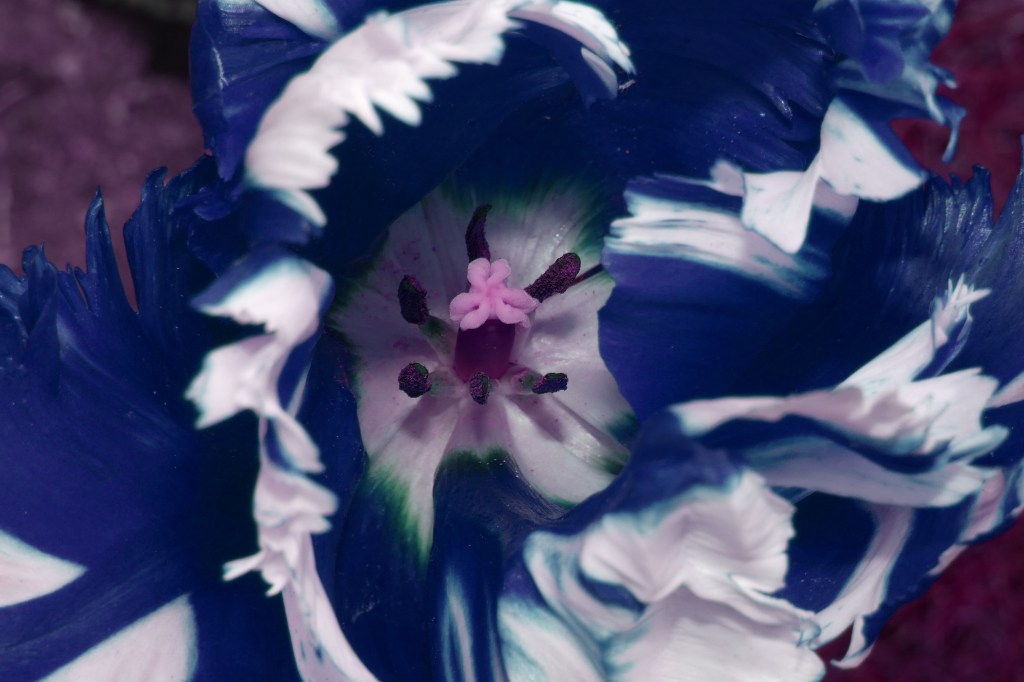
As you can see, the flowers that are red are displaying as a dark purple/violet which is exactly what bees see. I have a few favourites (labeled 1,2,3) and I’ve decided I want to use the #1 photo as my background for showing what bee vision actually looks like in comparison to human vision:
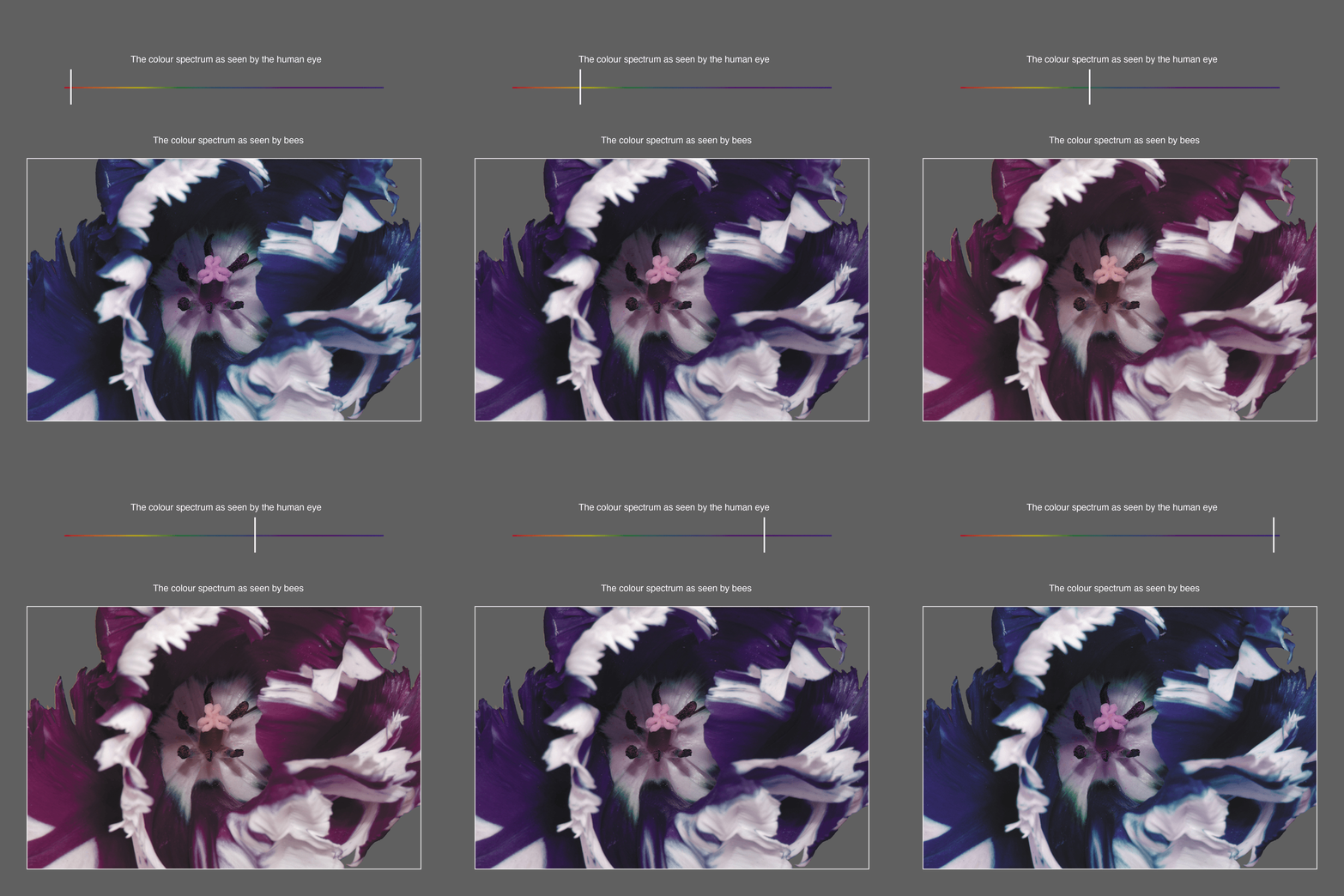
Revised final
For my revised final I wanted to keep the animation simplified, with as minimal text and shapes as possible to get the message across to the viewer. I have decided to do the human eye as our colour spectrum (ROYGBOV) and the photograph of my originally red flower, in UV light to show bee vision.
Overall, I am pleased with this outcome and to push it further I would create mockups of how it could look on digital devices, and possibly experiment with different floral photographs which are different colours and not just red. It could become a really fun app for instance, where you could scan your phone camera over a flower and it would change the colour for you. I think it could expand into the AI field quite well now that technology is capable of detecting what is on the other side of the lens.
 jesswhatley.design.blog