
CRIT presentation draft 1
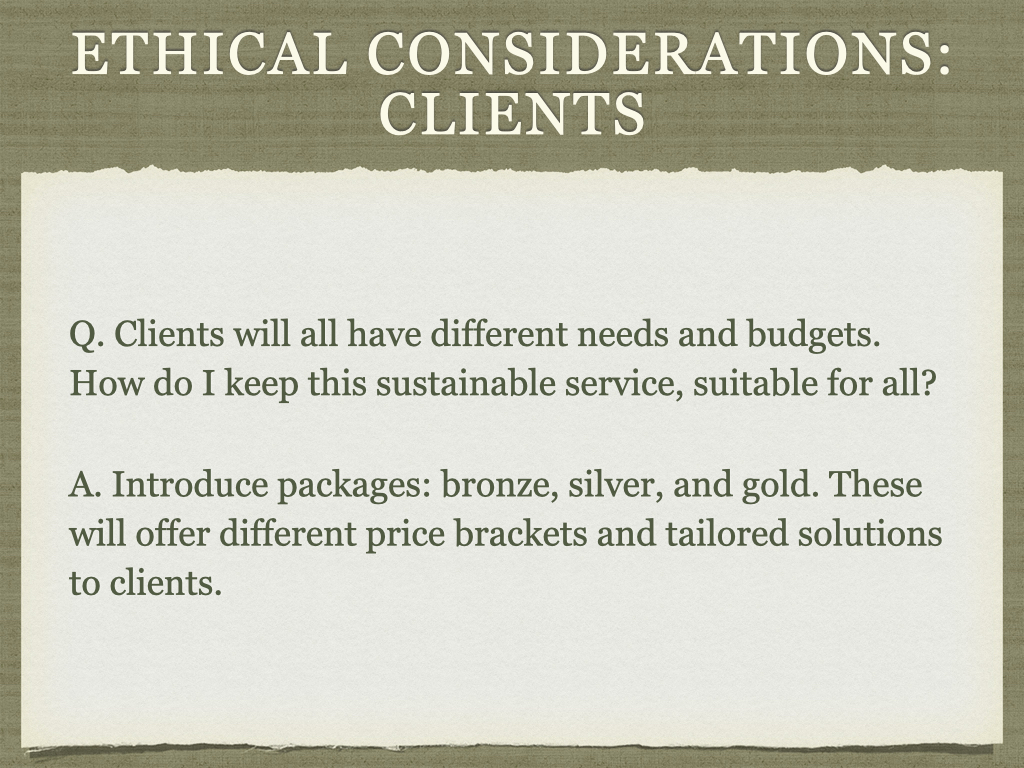
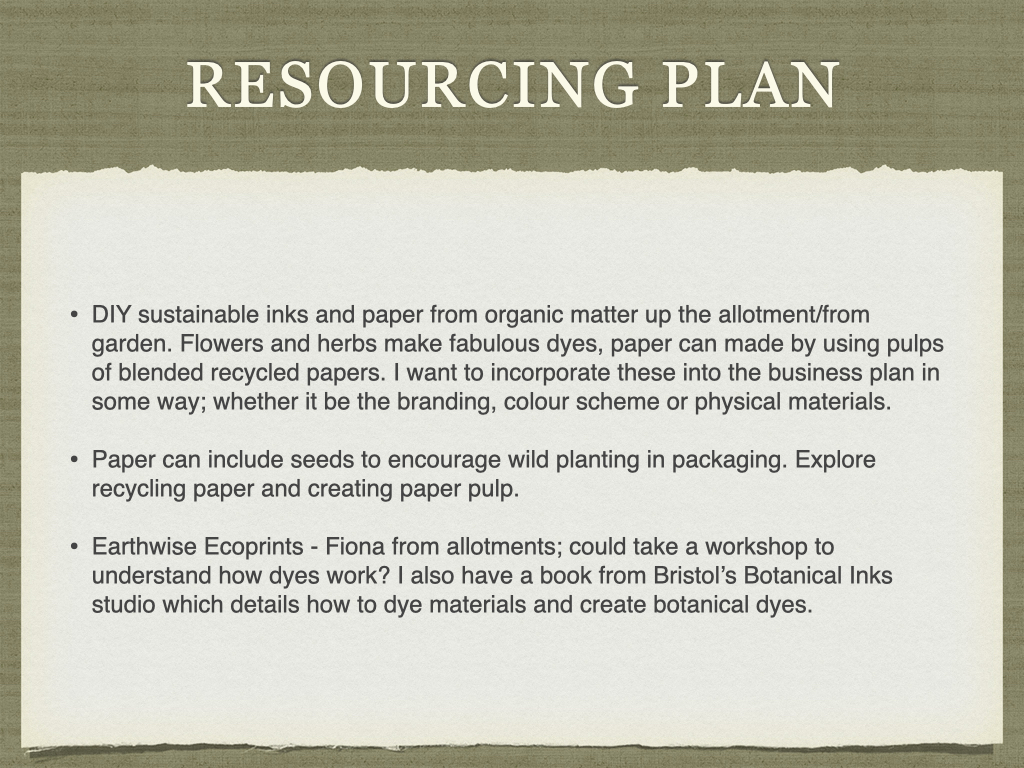
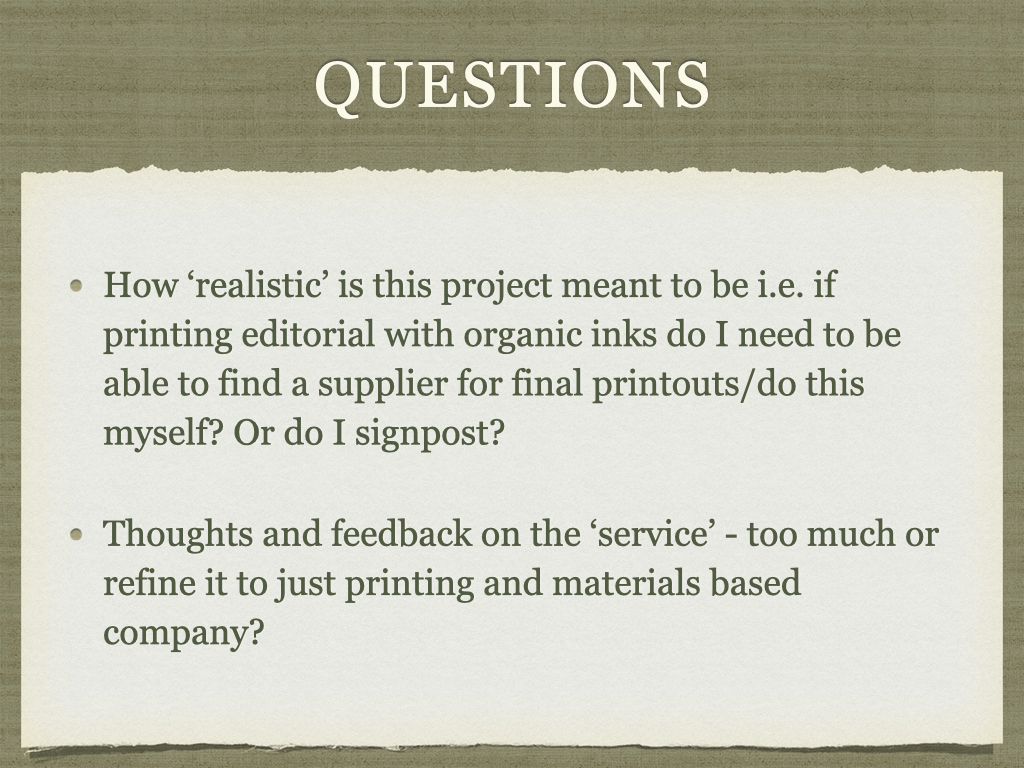
I initially wrote this CRIT with the idea of having a business plan as I had originally done this in the project brief in another module.
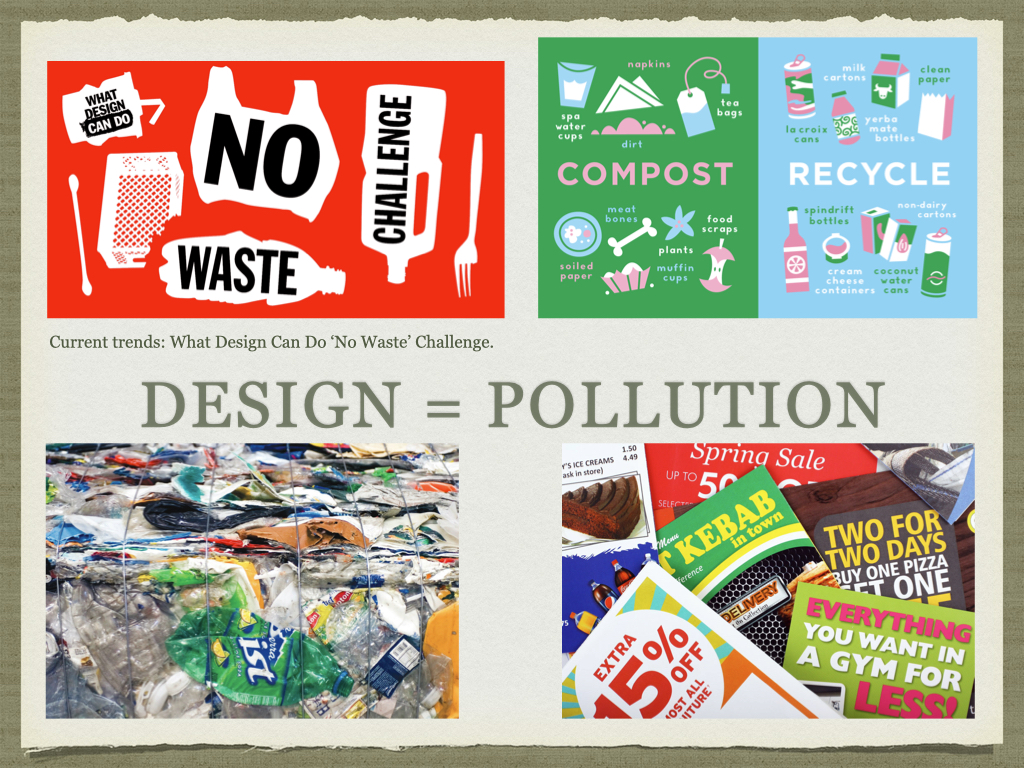
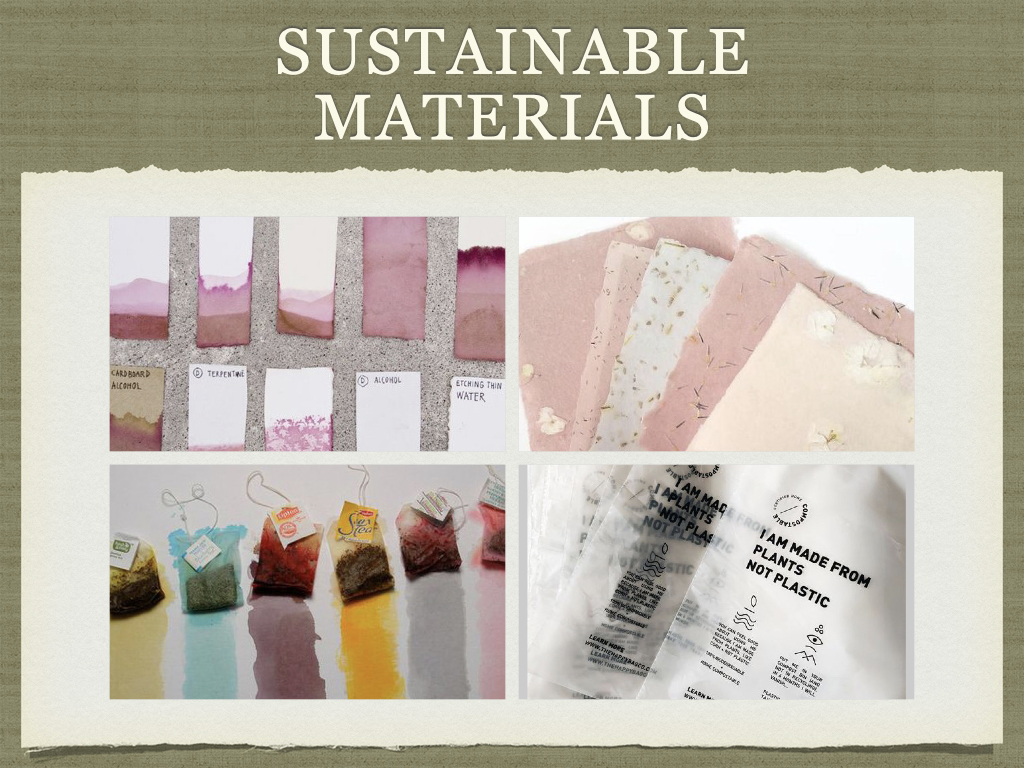
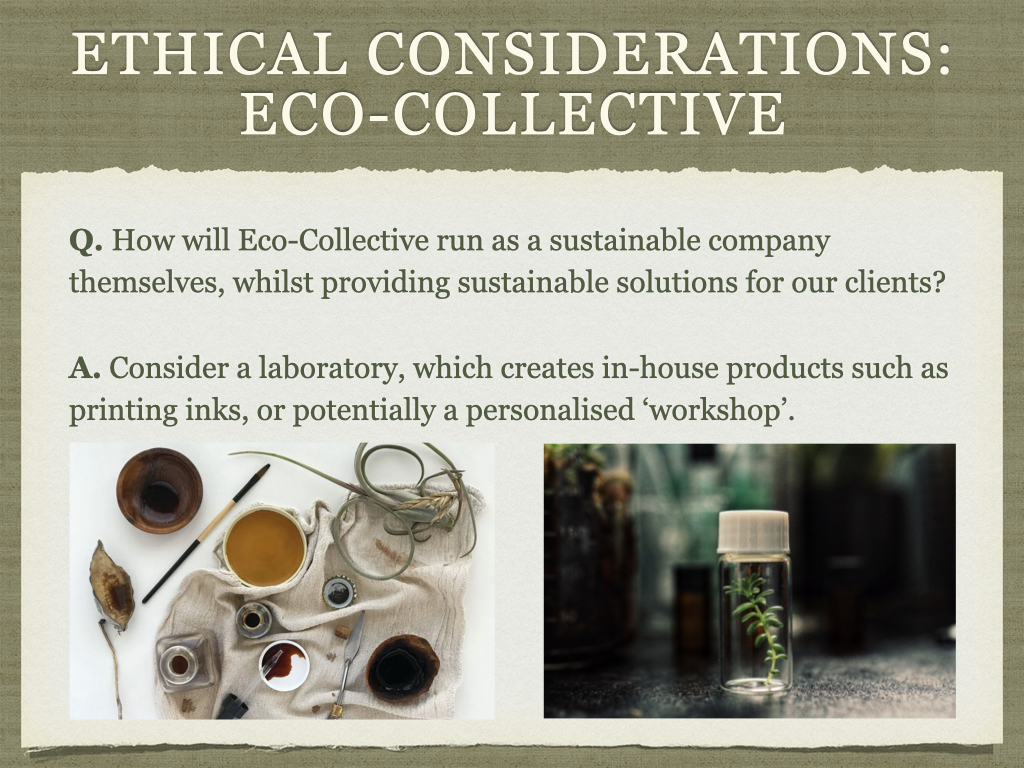
My feedback from speaking with my tutor was that maybe a report would be a better approach, as the nature of my project involves quite a lot of investigation into what exists in the world, and what problems there are. Another area I needed to explore is ‘storytelling’ and really getting to the bottom of what the current problem is. People in the group also loved the idea of a laboratory where in-house clients could create their own organic matter i.e. if inks are from flowers, they could make those themselves and then use those inks in printing.
Therefore I decided to amend my slides to draft #2 below:
CRIT presentation draft 2

Feedback on ideas wall
From Winnie –
“@Jess Just finished watching the webinar, sounds like a great project and I know you’re focusing on the analogue and print, but personally I’ve also been thinking alot about the impact of NFTs as that’s the most current trend now, lots of creatives are jumping into it and I’ve heard that minting digital artwork uses up a whole lot of energy and resources, so I think this is something that creatives have to grapple with. I just wonder where all this is going, although more recently I’ve heard there are now wax-based NFT options which are more sustainable than the original ethereum-based ones so they’ll be making less environmental damage somewhere else in the real world.”
So, this isn’t a language that is familiar with me whatsoever so I needed to research the meaning of ‘NFT’ and the term ‘minting’…
This is such an interesting theory to explore and I feel like this could be a huge project in its own right now that we have so much NFT in the digital world. I have learnt something new! This is something I will need to explore further in research going forward.
From Omar –
“@Jessica I am not sure I fully understood the project (forgive me for my ignorance). But from what I understood, what are the barriers that this project might face in terms of high-end production (UV, lamination, Pantone colors, etc). Consider those who are not very educated in the eco-collective, will they jeopardize the end result of a product for the sake of the environment? And if not, how can you sell your product? I believe there are tons of kinds of papers and inks in the market, how can you replace those with recycled paper? From a business perspective, is it cheaper? I am assuming you are gathering this to a niche market.”
Omar is correct in that products do exist on the market, such as soy/vegetable inks, but it’s disjointed. Large companies are not using them (for instance McDonalds) – why? If companies need to source all print/packaging materials from different places it’s unlikely they’ll opt for that over a company that will provide the entire package. This is how Eco-Collective differs. In theory, clients will be able to purchase a service that will ensure the whole manufacturing process is eco-friendly in every way, with no compromise to the final product, or pricing barriers. There are no companies that offer this currently. Great feedback though as I need to ensure my idea is innovative from competitors.
My statement has no evidence so I need to back this up in research. Would my service really be all of these things? Is it really possible?
Report guidance
Now that I know I want to write a report, I’ve found a handy reference tool:

 jesswhatley.design.blog