
Bio alternatives and organic inks
Botanical inks studio
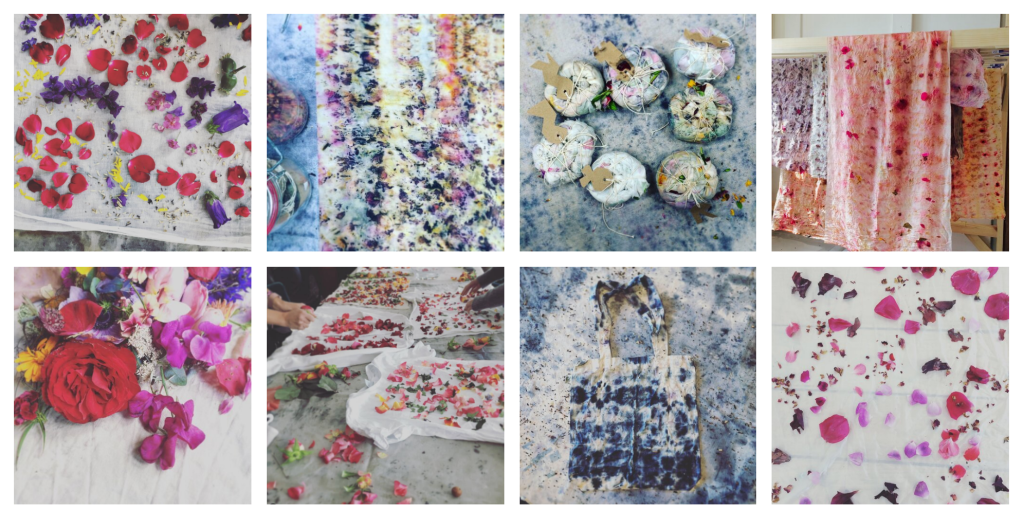
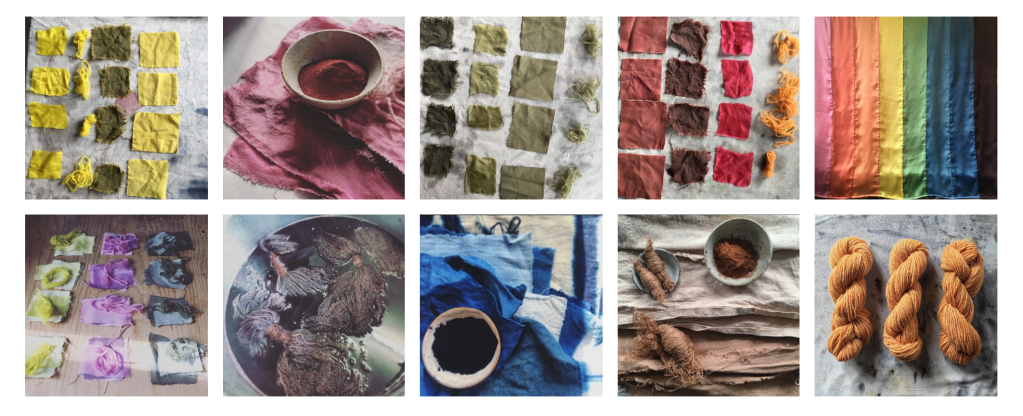
Botanical Inks studio are demonstrating a variety of ink techniques on fabric, paper and printing by using flowers and natural dyes from nature. From wrapping up the flowers within the fabric and leaving them to stain, to diluting them in water and using as tie-dyes and ink, there are so many different ways to use them.
This makes me think about Eco-Collective, and how I can apply that to my project. What about using natural inks and botanical dyes in the graphic design industry? How appropriate would they be for print, such as durability and quality? I guess it depends on the material, the functionality and the client.
This is something I want to research further to get my answers.
Alternatives to plastic
Great article from Dezeen – some examples from this article have been explored as follows on this page.
Also Dieline have listed twenty alternatives to plastic that could do the job – each material would be sufficient for different functionality for products. I have made further research on these as a list with images:
- Paper cartons
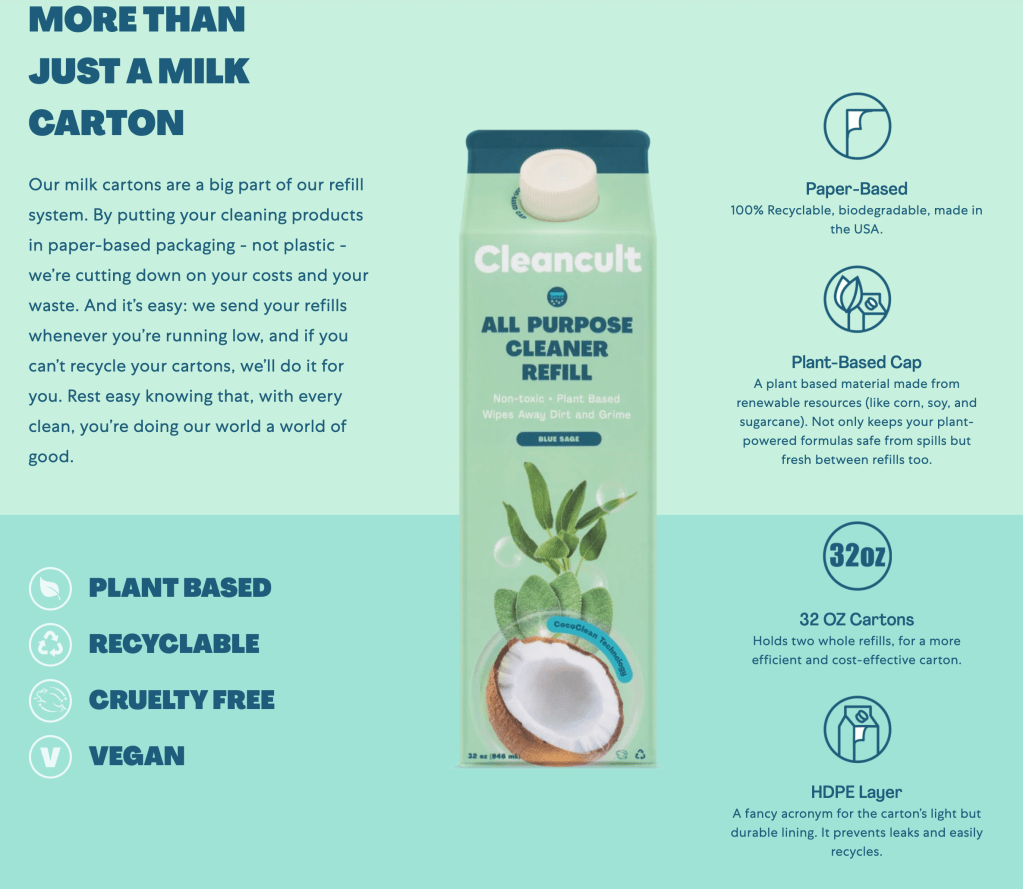
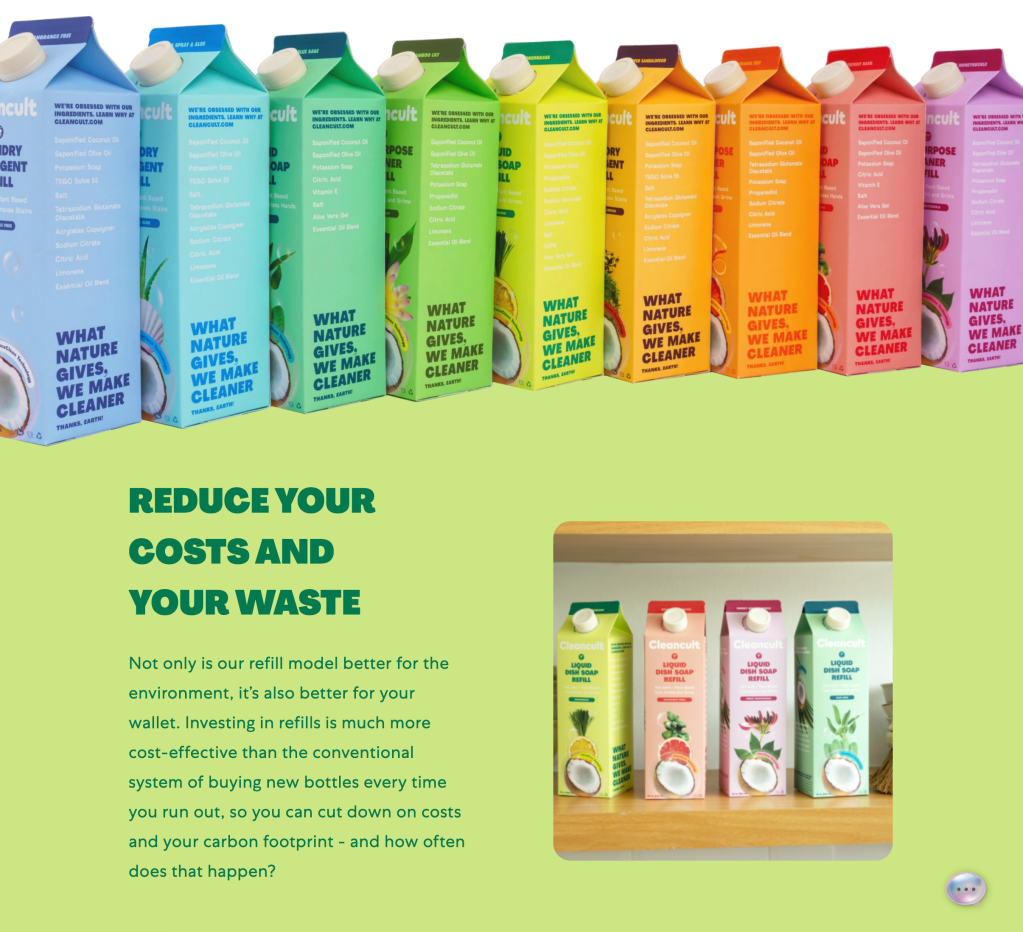
Cleancult
“Other cleaning products (even eco-friendly ones!) use a lot of plastic, which clogs up our homes, landfills, and oceans. Our innovative refill system makes it easy for you to clean sustainably, with 100% recyclable packaging made in the USA, carbon-neutral shipments, and plant-based, biodegradable formulas. After you refill your bottles, recycle your cartons. Or, join our free recycle back program and we’ll take care of it for you. Easy peasy.”
- Stoneware/ceramics
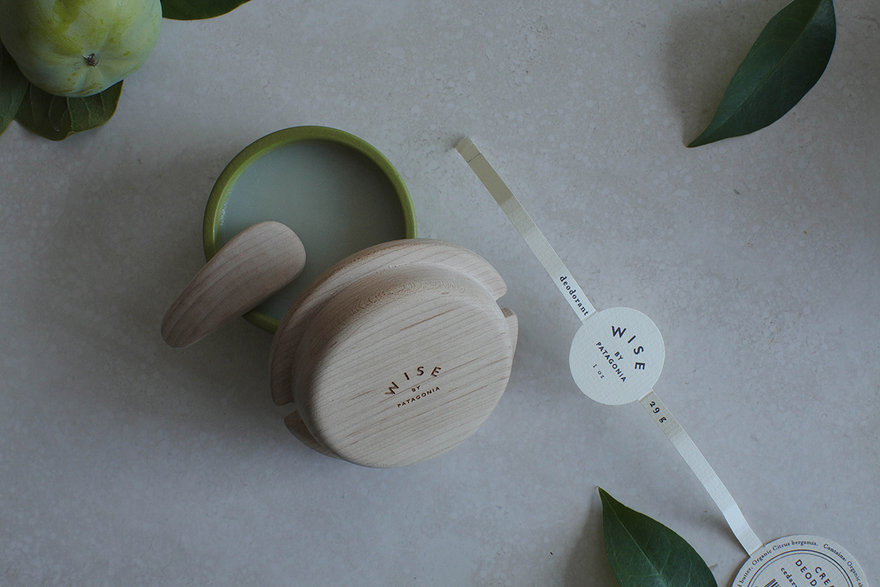
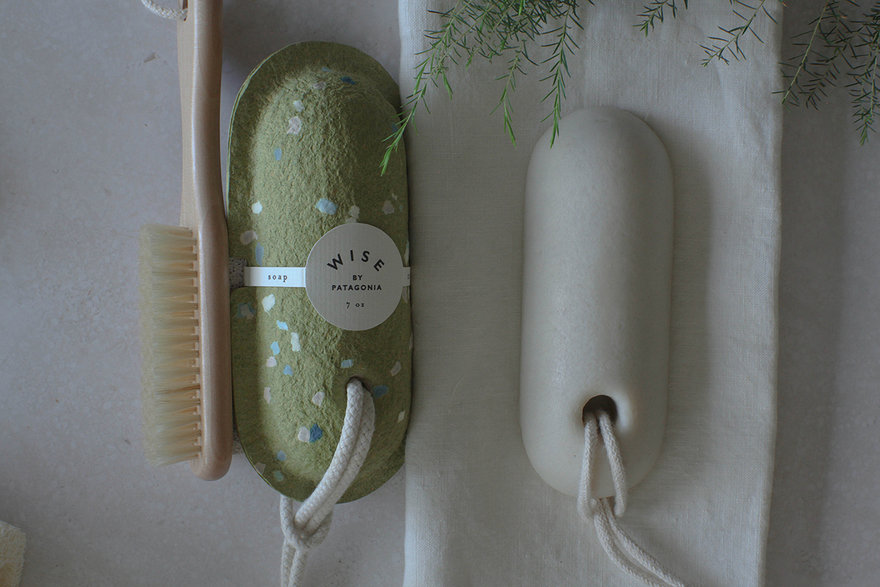
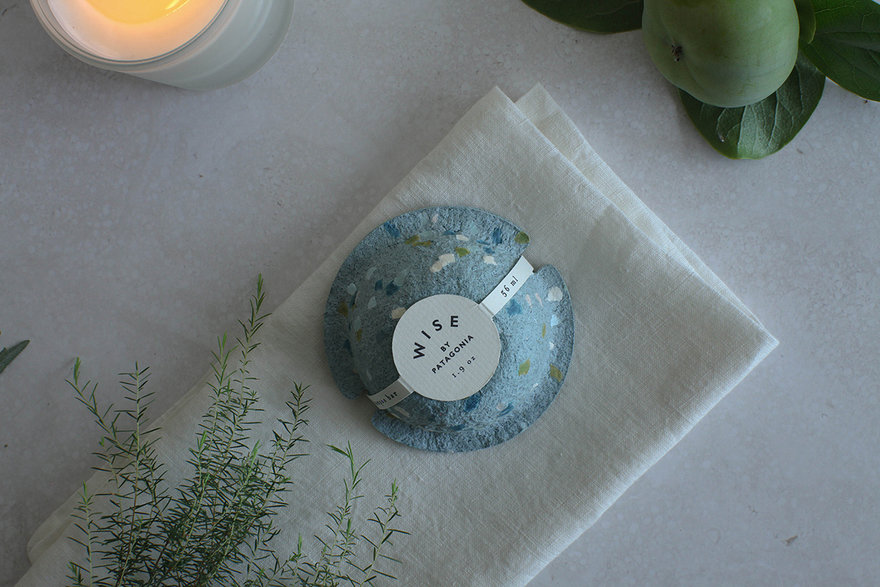
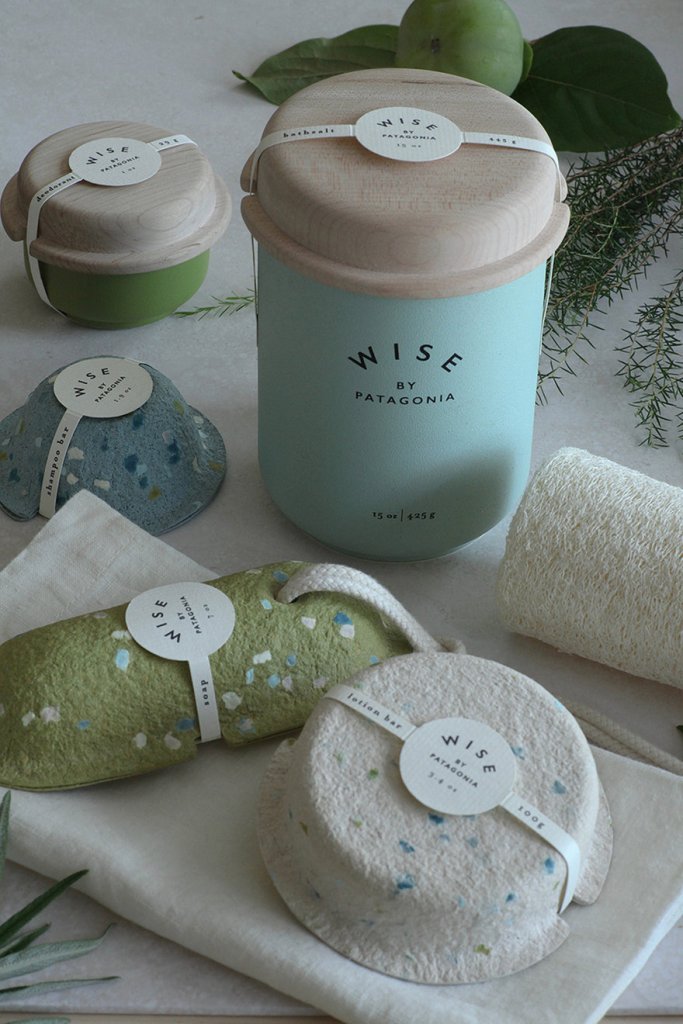
Wise Patagonia
“The materials used in this project would, therefore, be paper pulp made by 100% post-consumer waste, stoneware ceramic jars with lids made of wood that is FSC certified. I hope that by placing everyday products such as shampoo, soap and lotion inside packages like paper pulp that the public understands that these everyday items don’t need to be covered in plastic. I’m also hoping to inspire a second life mentality by making the jars suitable for repurposing for other uses.”
- Soap
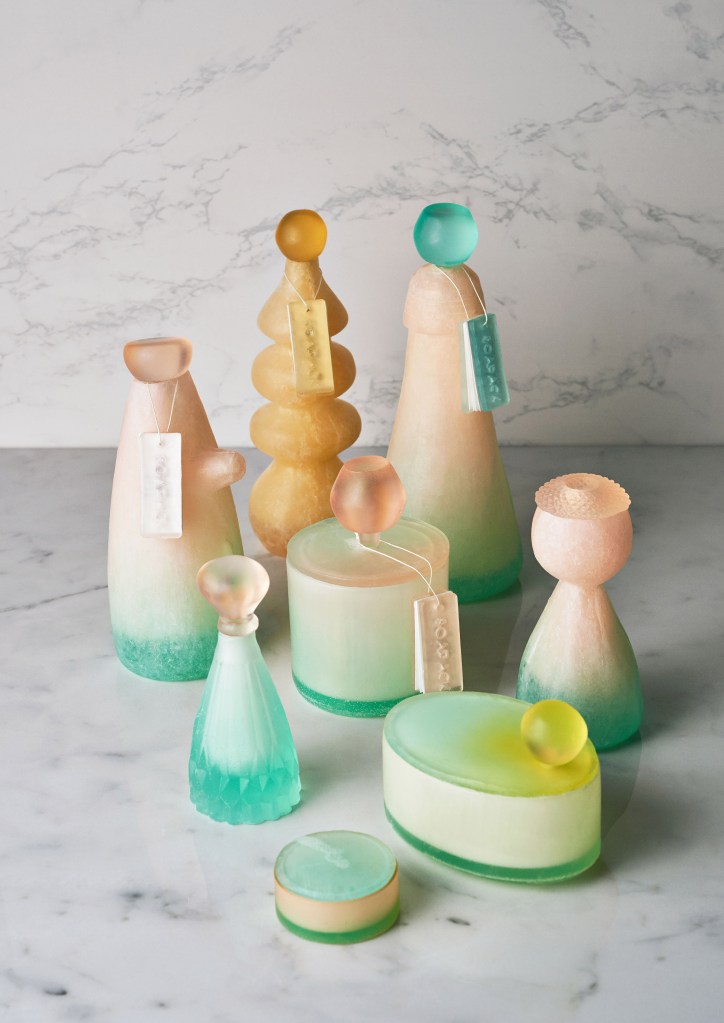
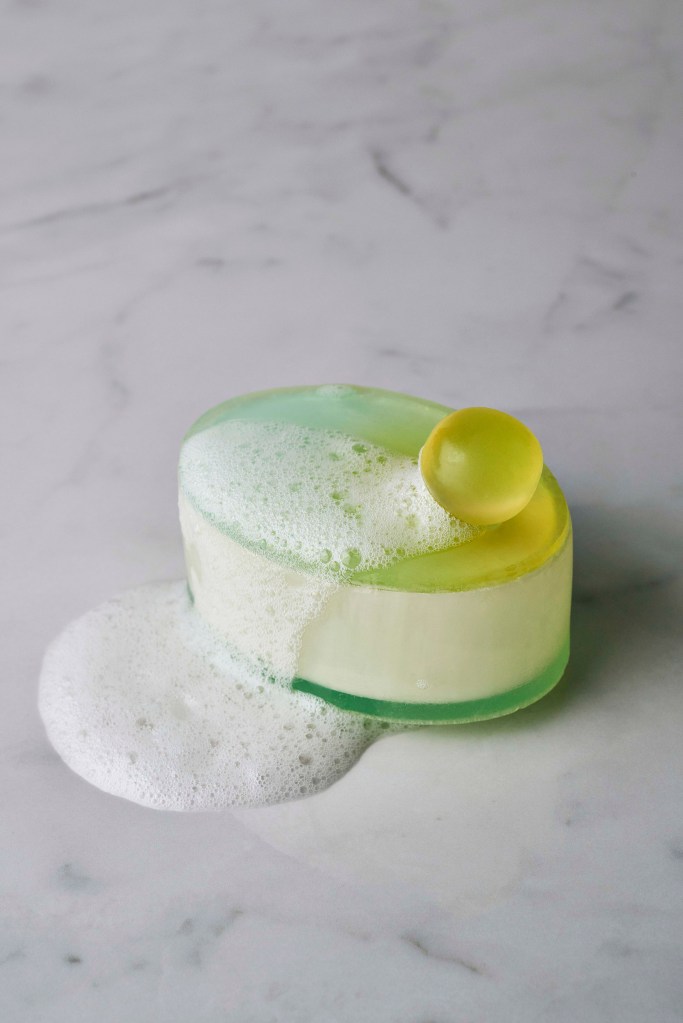
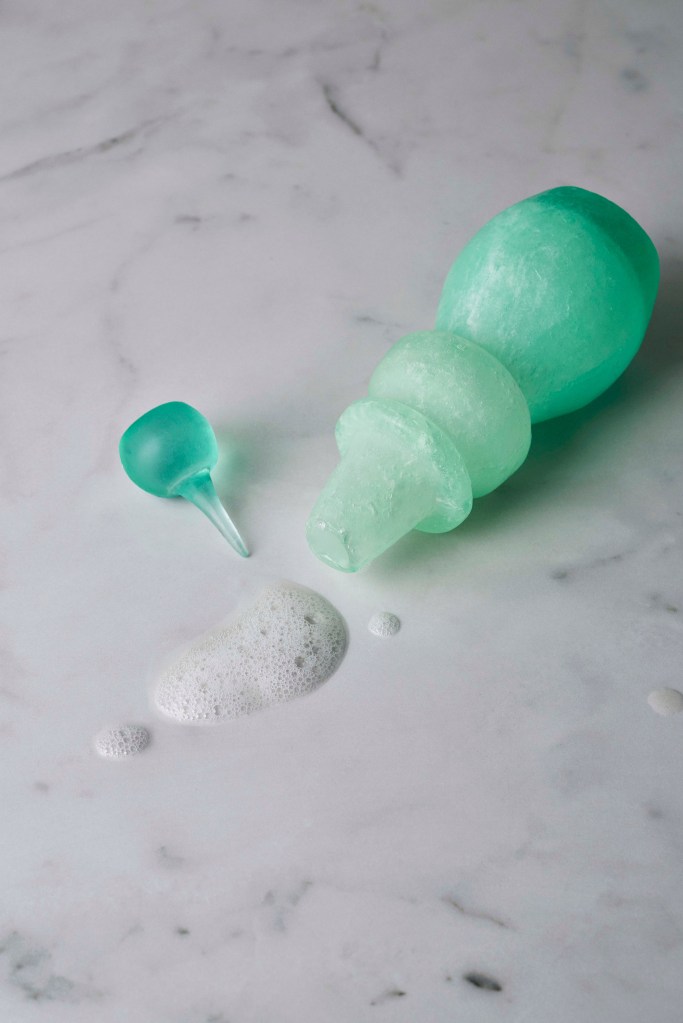
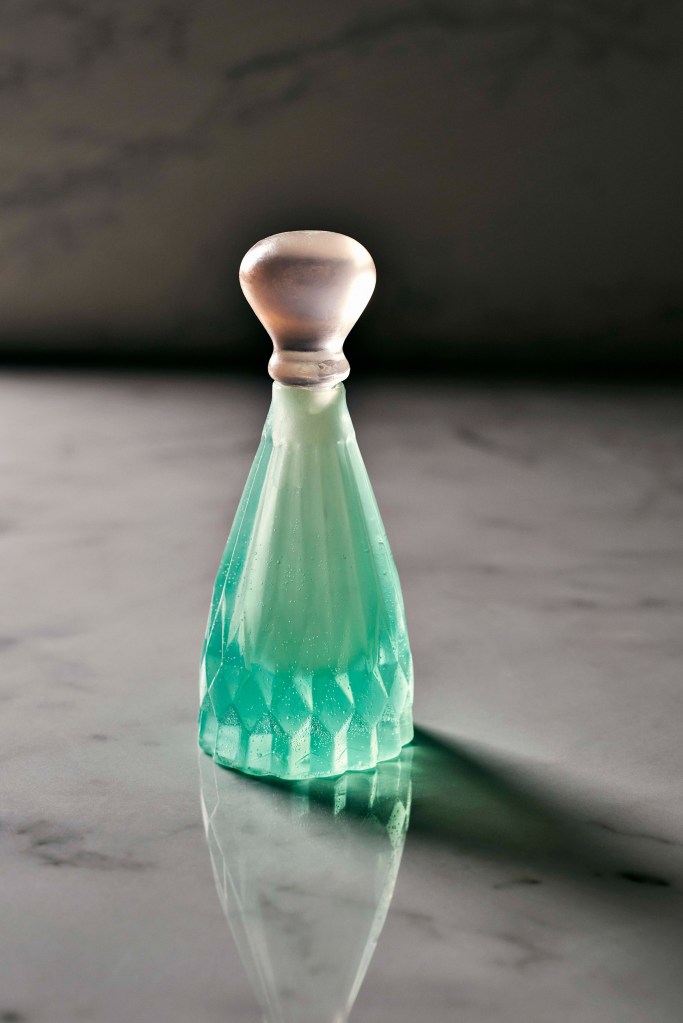
Mi Zhou Soapack
“To make each Soapack, vegetable oil-based soap is dyed using pigments from minerals, plants and flowers and formed in a mould, in a process similar to slip-casting ceramics. A thin layer of beeswax is used to line the bottles to make them waterproof, and prevent the liquid contents from dissolving the bottles before they are used up.”


- Seaweed
Evoware
“Evoware is a social enterprise that promotes sustainability by providing plastic-free alternatives. Evoware’s mission is to innovate more biodegradable alternatives to singleware-use plastic products using seaweed and increase the livelihood of seaweed farmers in Indonesia. Our products are biodegradable, compostable and even safe to be consumed. With circular economy as our core value, Evoware products come from nature and go back to nature in the most efficient way. Not only for the environment, we also make sure our business give positive impacts to society, and all partners we’re working with. We put inclusivity, collaboration and fairness as fundamental values for our partnership with any party.”
- Paperfoam
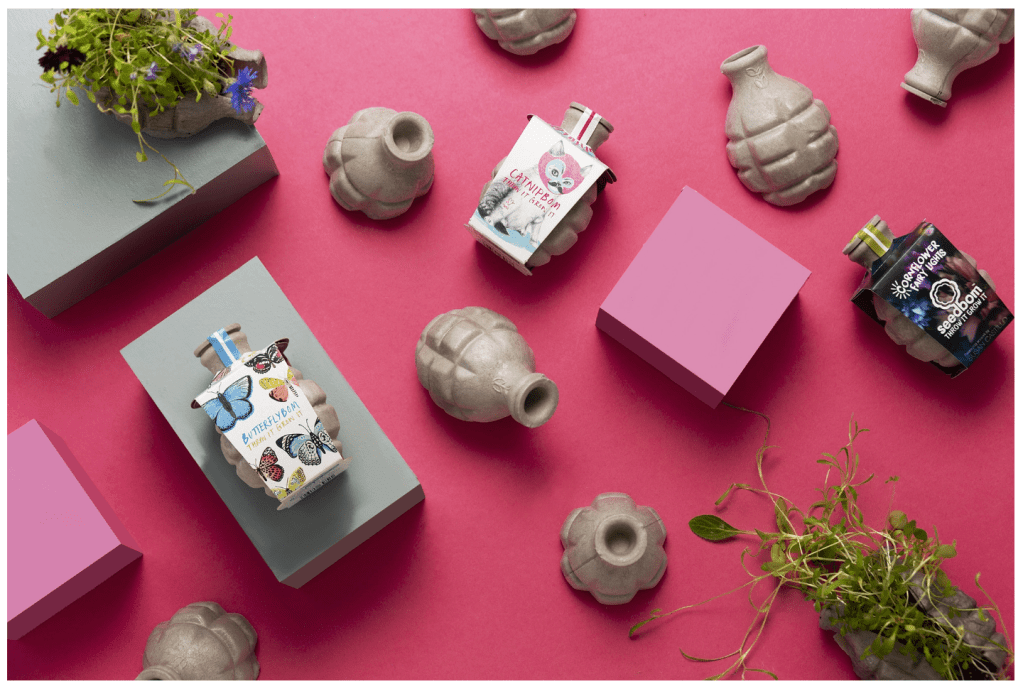
Seedbom
“Since we make the PaperFoam® mixture from scratch, we can add any color to the mixture. Also, all molds are customized to your specifications. Do you want packaging with extra texture, the possibility to stack all packing trays or add your logo to the biobased packaging? No problem! PaperFoam® is 100% customizable.
The Seedboms are filled with a mix of organic peat-free compost and wildflower or herb seeds. The packaging is now 100% biodegradable, thanks to a partnership with PaperFoam.”
- Leaves
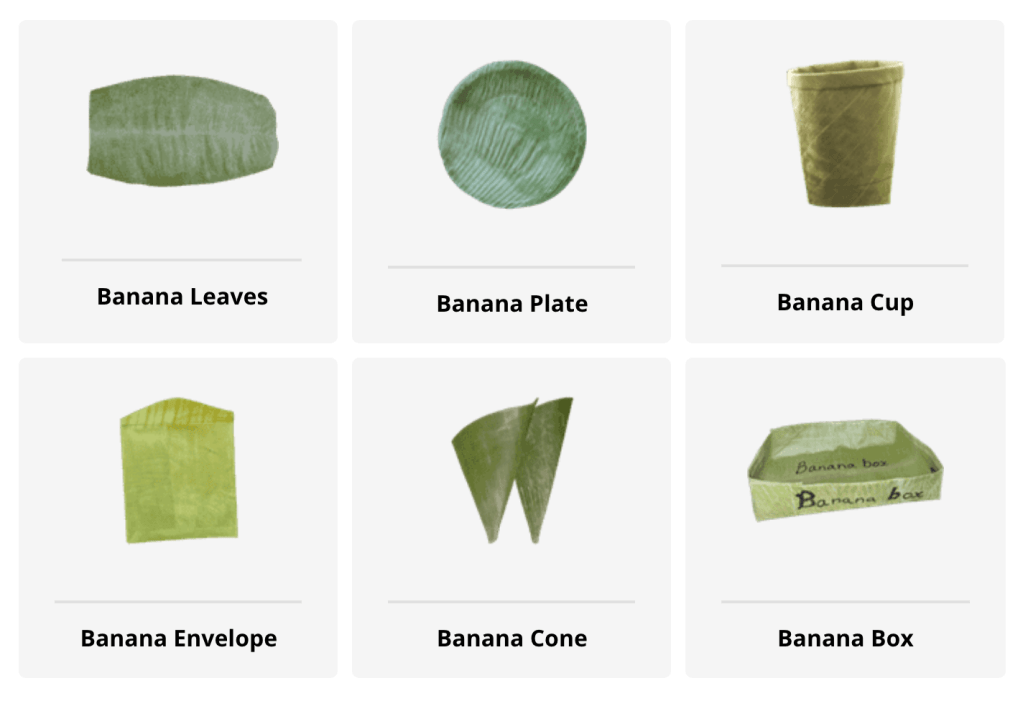
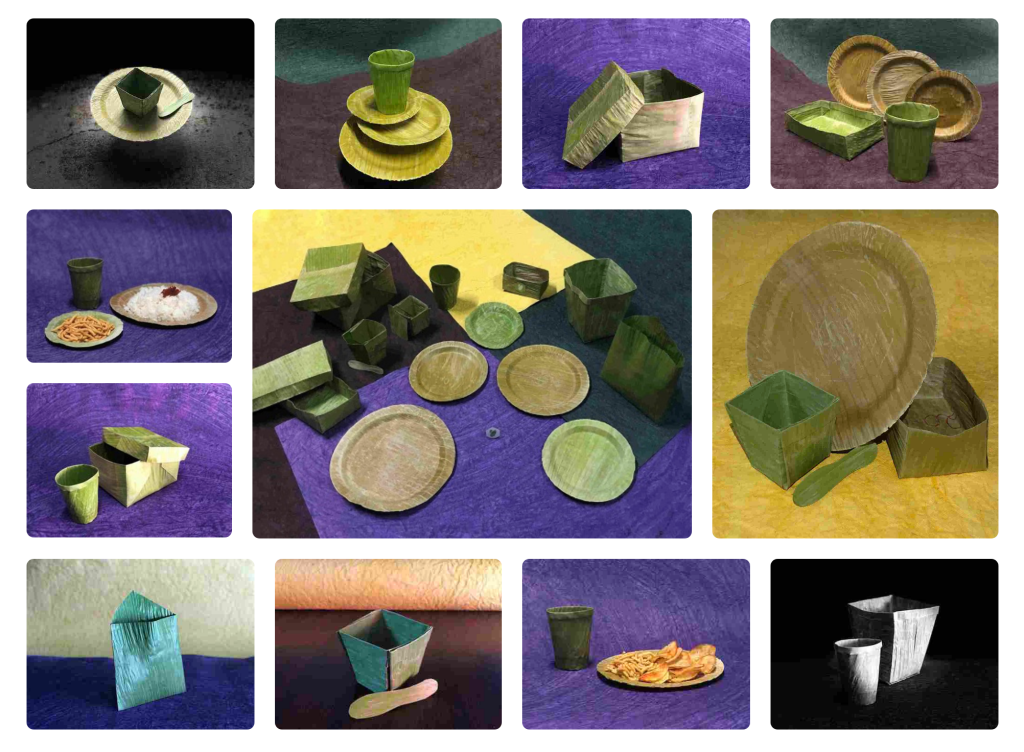
Banana Leaf Technology
“Naturally, leaves and most biomaterials degrade within a shelf lifespan of three days and are discarded as waste. Banana leaf technology is a cellular eco-friendly technology that preserves leaves and organic biomaterials for a year without the use of any chemicals. This technology enhances the leaves’ physical properties thus making a viable biodegradable material alternative to both plastic and paper.
Increased in their durability, stretchability and crushability, preserved leaves can resist extreme temperatures and hold more weight than their original nature. The preservation capability of leaves with natural green color is for a period of up to one year and an extended shelf lifespan of three years without its natural color.
The technology enhances cells, strengthens cell walls of leaves and prevents pathogenic agents from destroying the cells. These processed biomaterials are biodegradable, healthy, pathogenic resistant, human-friendly and completely eco-friendly. A viable replacement for disposables, it prevents the destruction of around 7 billion trees annually.”
- Avocado pits
Biofase
“Sourced primarily from guacamole and oil manufacturers that might have dumped these avocado seeds into a landfill, Biofase uses a patented process to convert around 130 tons of avocado seeds monthly into a a biopolymer material they call “avoplast”, which is then made into forks, knives, spoons and straws.”
- Agar
Margarita Talep
“When her final project came around, she wanted to follow her passion by utilizing a new material, one that was both fresh and could biodegrade. She discovered Agar, the polysaccharide or carbohydrates extracted from red algae, met her criteria and served as the material of choice for two reasons: one, it’s great in quantity and two, it’s derived from a vegetable source.
The process to produce the biodegradable packaging begins with a mixture of a polymer (the agar), a plasticizer (water) and natural dyes for color.”
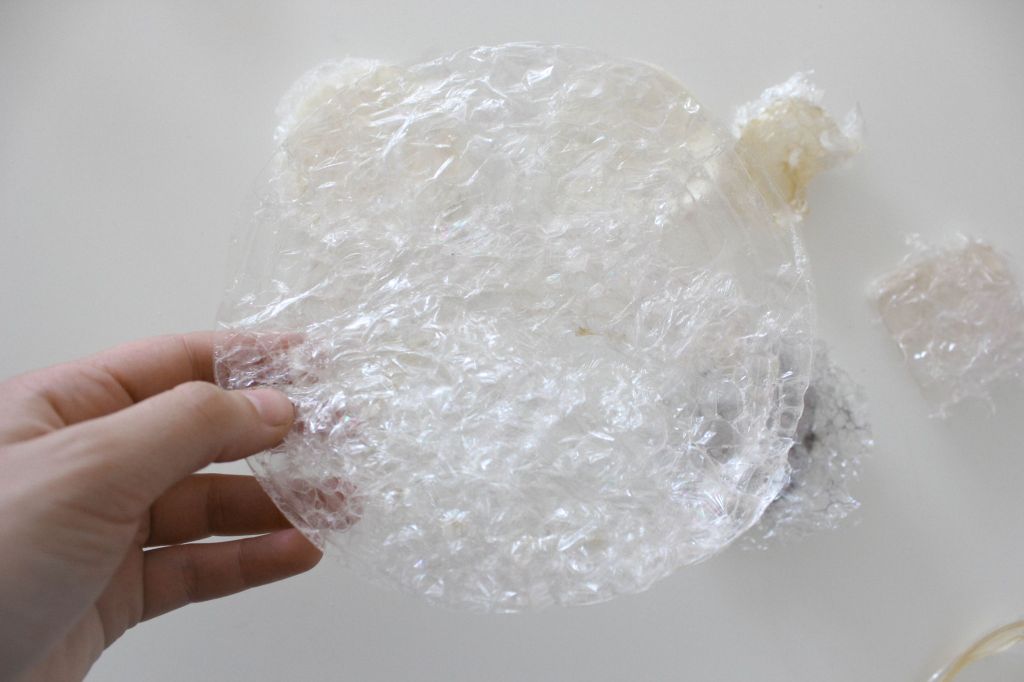
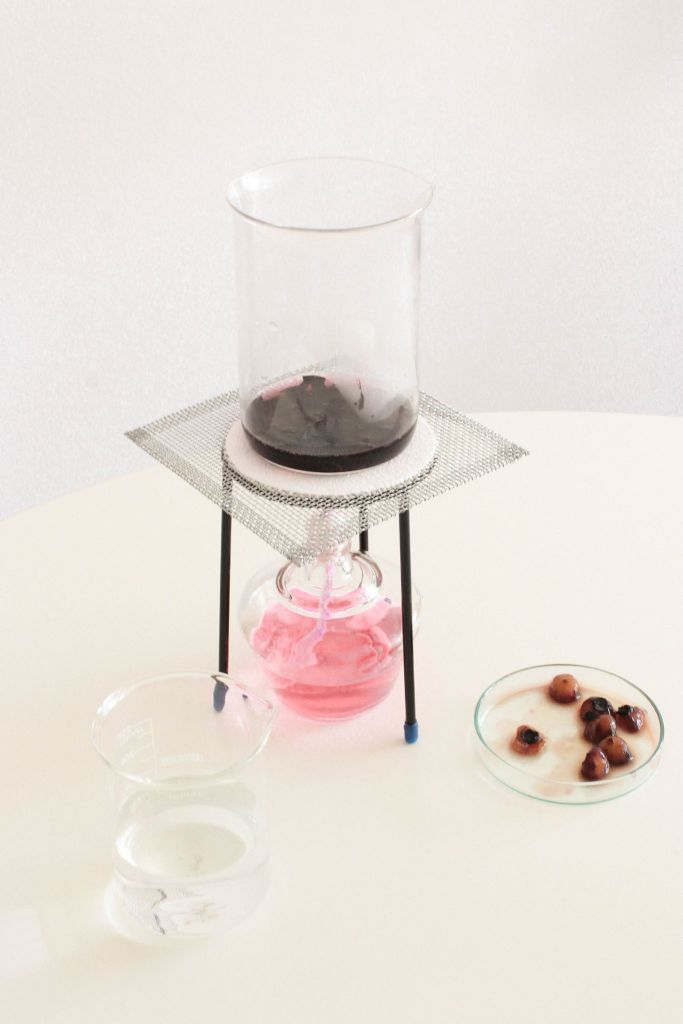
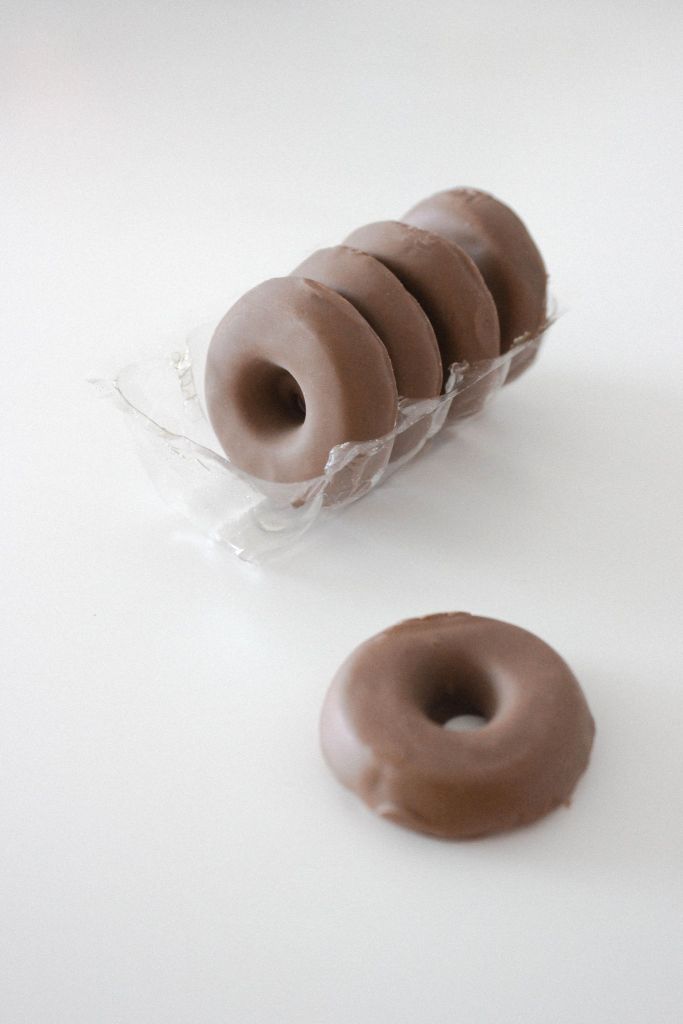
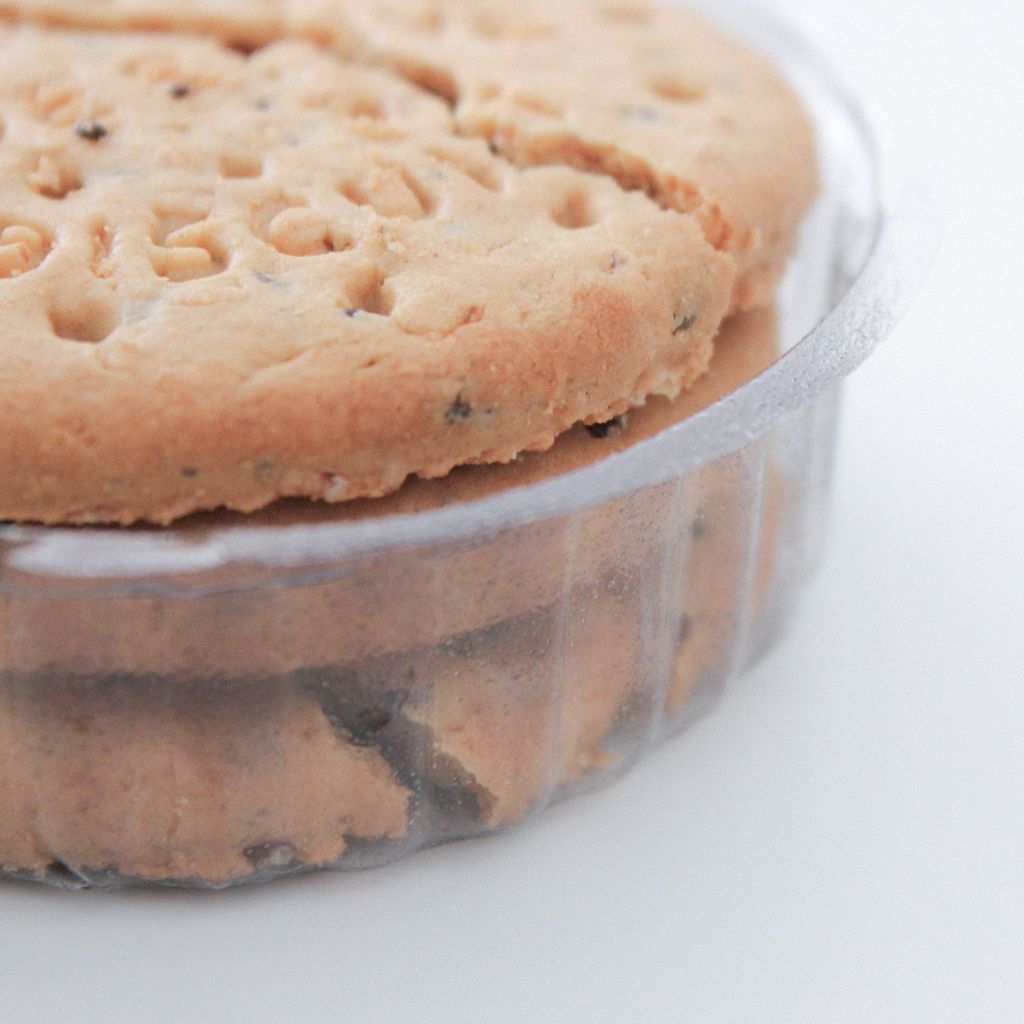

“The material will decompose in four months even in winter” Source
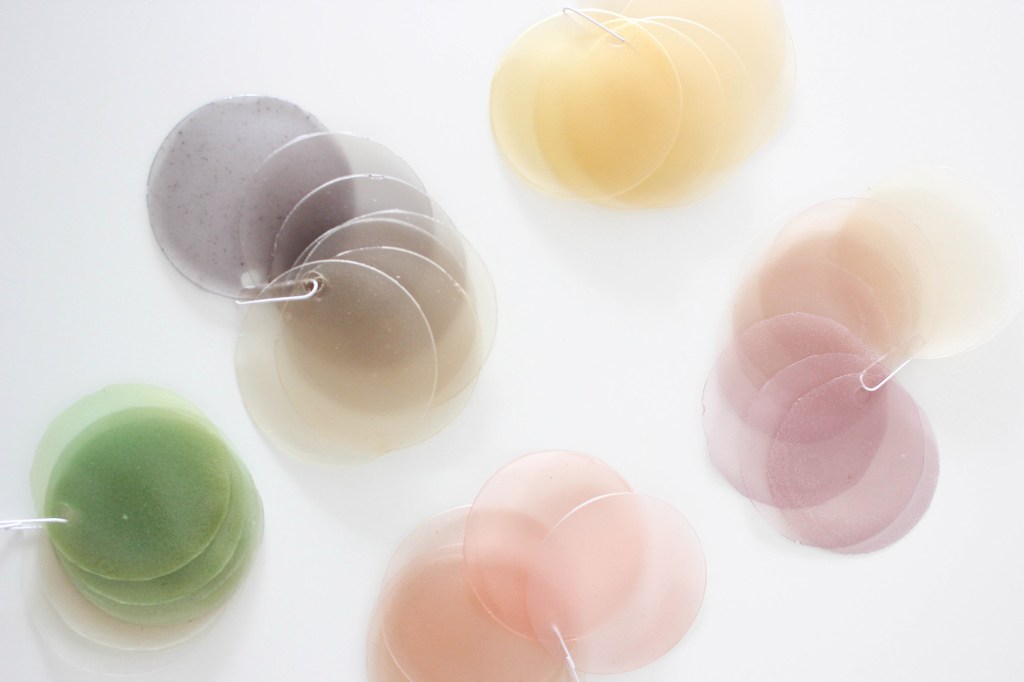
- Scoby
Emma Sicher
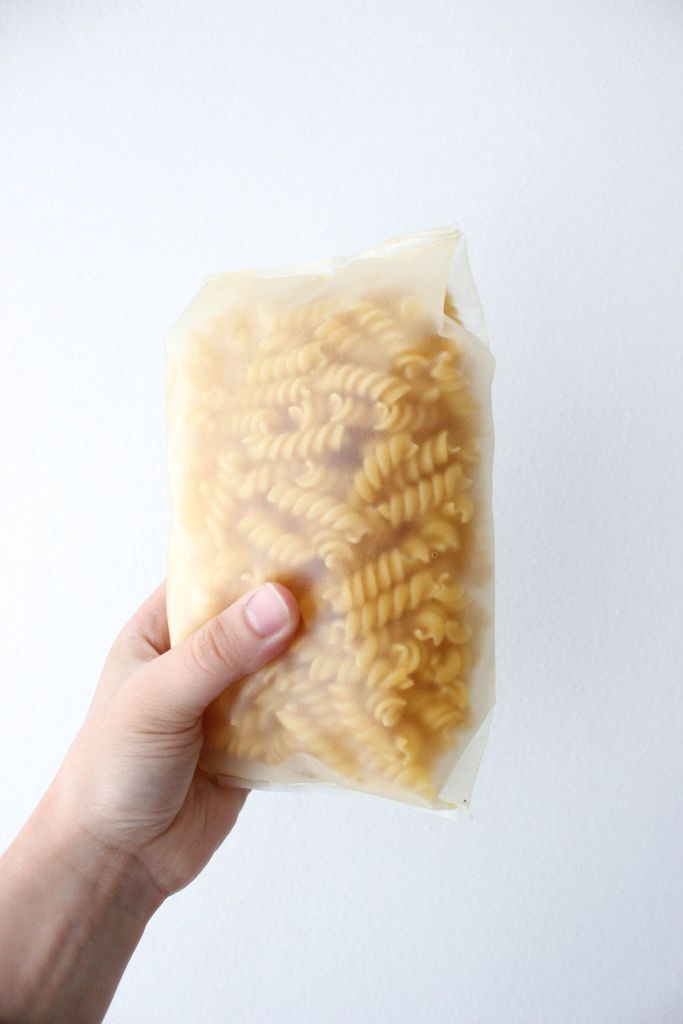
“After a broad material research, I found the SCOBY, also known as microbial cellulose or bacterial cellulose, and went through the most relevant projects developed with it to understand the potential.” By studying mycelium, a fungus-based material, bioplastics and yeasts, she stumbled upon fruit and vegetable scraps that are high in sugars and low in pH like apples, potatoes and beetroots that could be used to nourish the SCOBY.”
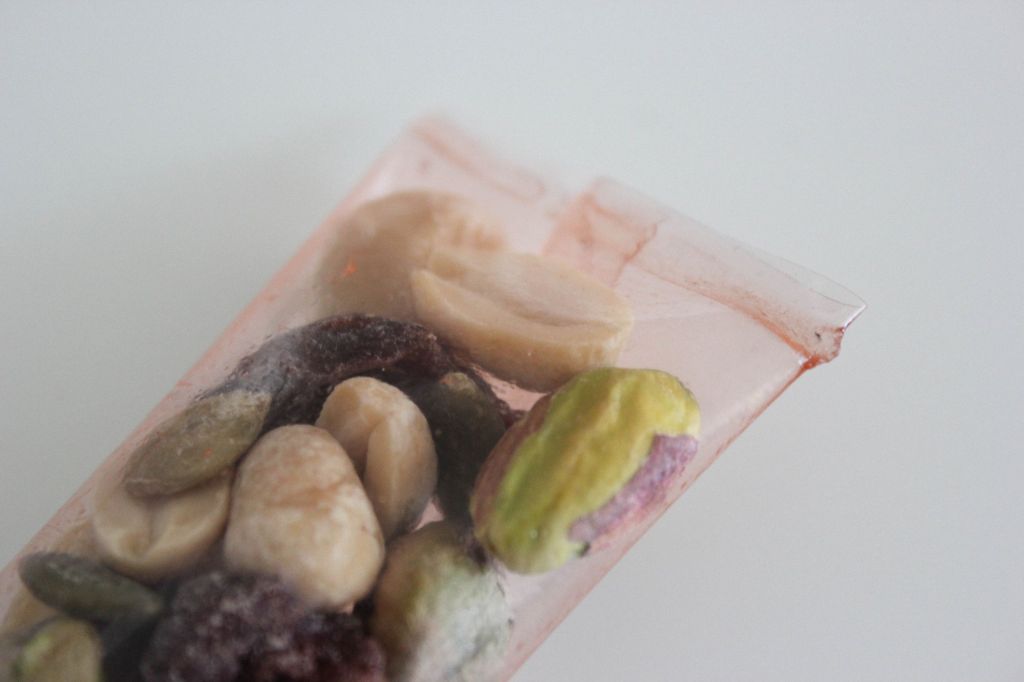
“If preserved properly, the materials have a two-year shelf life and can be recycled or reused with a special blending technique. The finished material now has two uses, one for single-use tableware like plates, trays and cups, and the other for packaging like bags, plastic candy wrappers, legumes, pasta, flours and more dried goods. As of now, it’s not suitable for liquids, but it’s something she wants to develop in the future.”
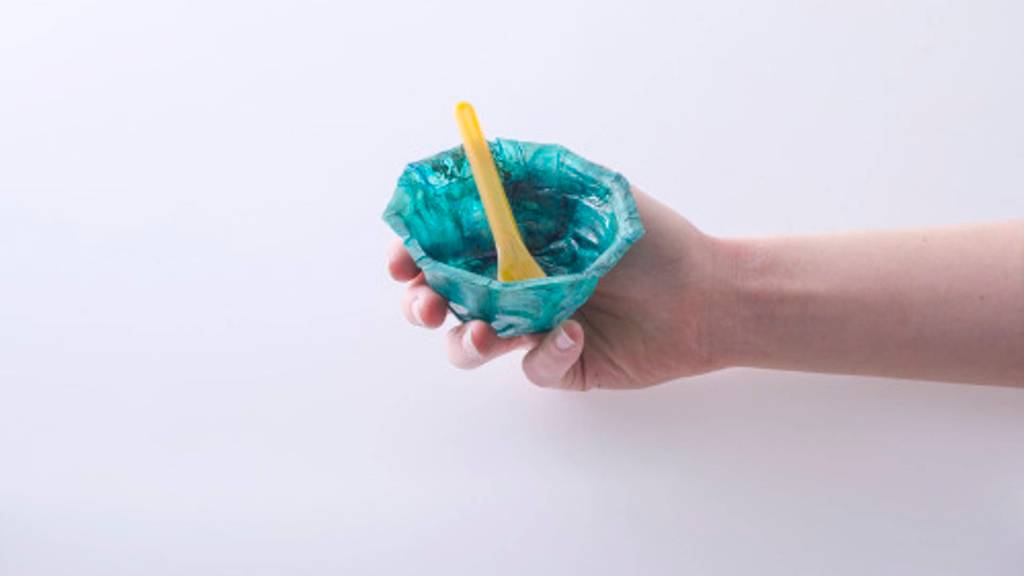
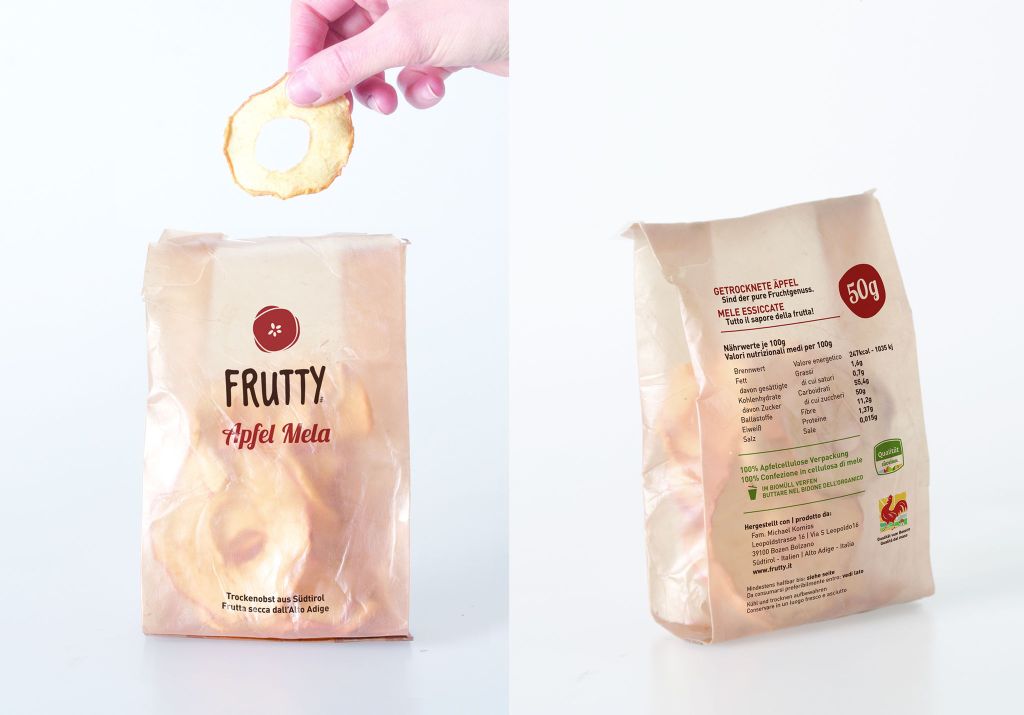
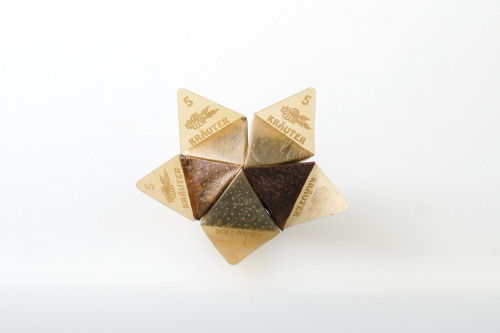
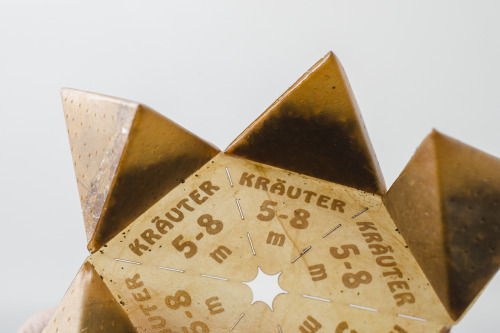
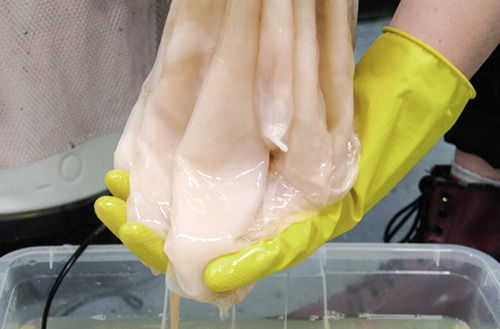
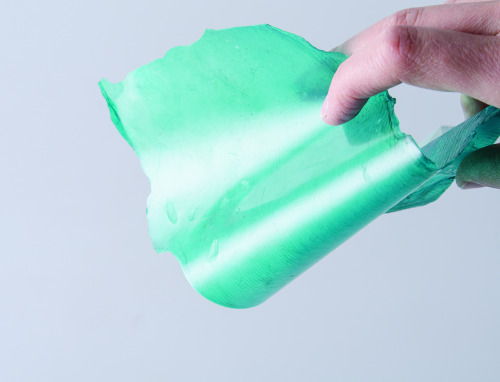
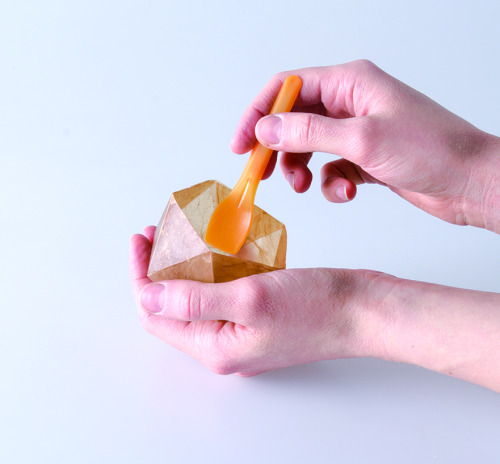
“The material can be dried on different surfaces to achieve various textures and patterns – the smoother the drying support the shinier the cellulose will be, for instance a layer dried on a plexiglass board will resemble plastic. Sicher also experimented with different fruits and vegetables like apples, potatoes, beetroot, grape pomace and beer hops to create different colours and textures of the material.” Source

Elena Amato
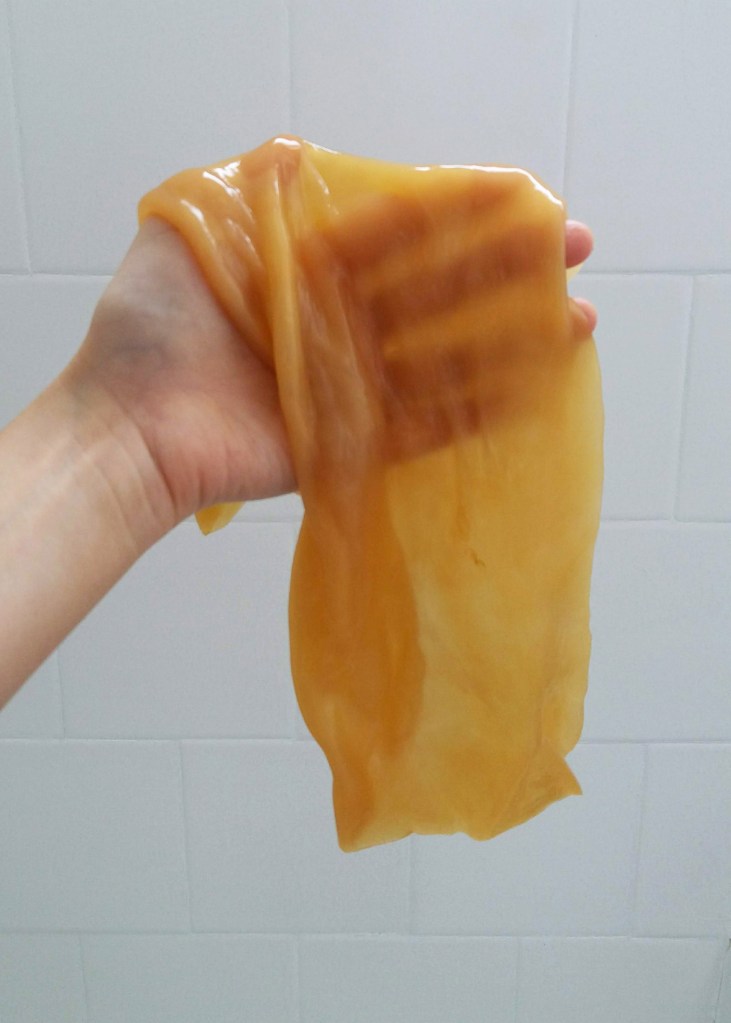
“Instead of growing and cultivating the scoby from scratch, Amato uses residual scoby leftover from local Kombucha producers – a fermented drink made from sweetened tea and scoby. The resulting sheets are a material with characteristics that Amato describes as somewhere between paper and plastic.
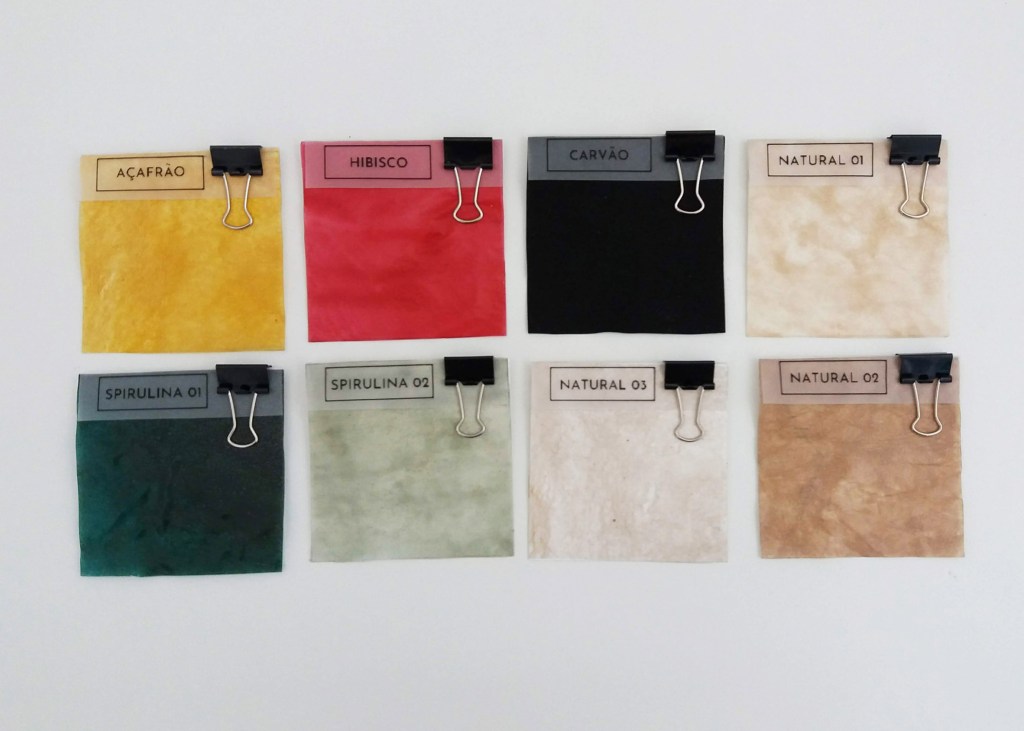
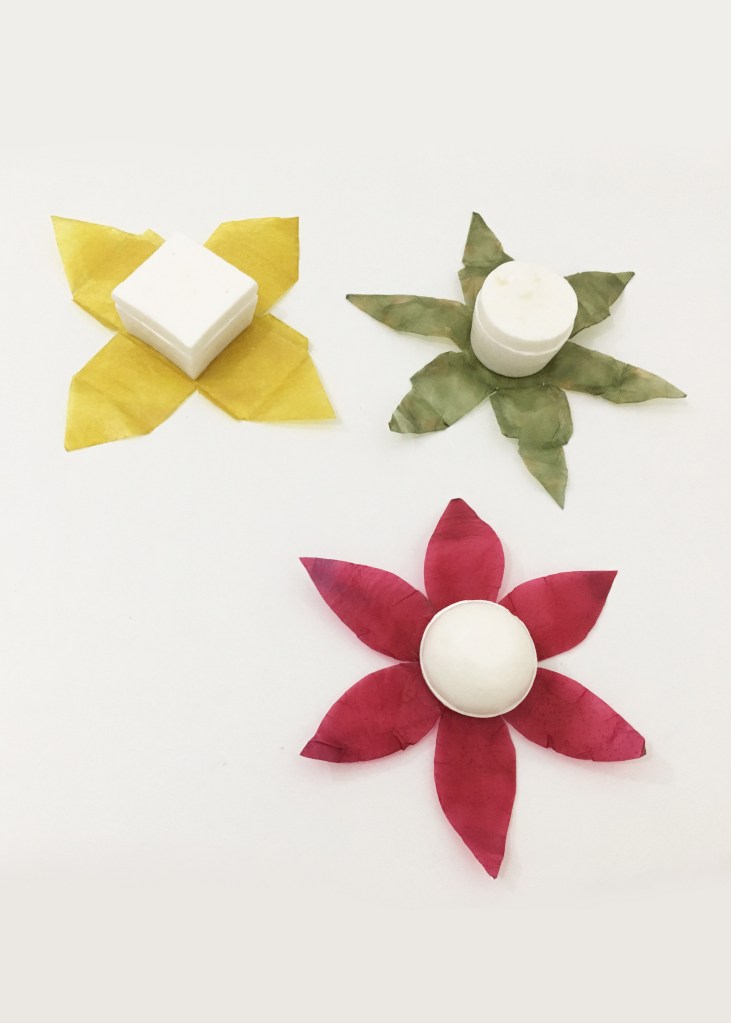
The dried bacterial cellulose material can be glued together using water, eliminating the need to use glues or other adhesives when sealing the packaging. Natural pigments such as spirulina, hibiscus, saffron and charcoal were added to the mixture during the blending process to achieve different colours.”


Elissa Brunato
See my work here from previous module – the bio sequin. This has been one of my favourite projects to learn about as it really tests the boundaries within sustainable design. For some reason sustainable design has a stereotype of being basic and boring – which could not be further from the truth if materials like iridescent sequins can be made biodegradable!
And that’s only a few… There are more sustainable options such as:
- Coconut husk
- Glass
- Bamboo
- Cork
- Wood
- Potato wafer paper / starch sleeves
- Mycelium
- PVA
- Metal/steel/aluminium
- Paper
- Fibrefoam
- Natural cotton cloth
- Cut hay
- Corn/sugarcane
- Beetle exoskeletons
- Crustacean shells
- FORMcard
- ArboSkin
It’s fascinating how much sustainable material has been developed to combat this issue.
On another note regarding sustainable materials; this Ted talk by Suzanne Lee is eye opening. Lee states that her experiments growing sustainable material, drying it, and then using it to create garments took days as opposed to the fashion industry which can take months, even years. There are ‘significant resource efficiencies’ in comparison to the practice of the fashion industry – from the wasteful production methods using vast amounts of energy and water, to the afterlife of a garment that cannot be recycled or even sold in the first place (regarding fashion industry burning their stock in the name of exclusivity – hello Burberry).
As Neri mentions above at 7:15, a collaboration with MIT (Massachusetts Institute of Technology) enabled her team to generate a crustacean derived material, Chitosan, with robotic fabrication and synthetic biology. This could replace plastic and still benefit the environment as it is biodegradable.
Lovegrove is different to Lee and Oxman above, in that he does not generate material but uses nature as an inspiration for his design and portfolio. This demonstrates how design should look to nature for inspiration and form/functionality.
BioFabricate
Very interesting PDF publication exploring fashion – within this details the reality of how start up’s struggle to launch their projects which could be really good for me to explore and understand further:
Biomaterials design future – really interesting article if I want to explore more at any point
Sustainability within print
Printers
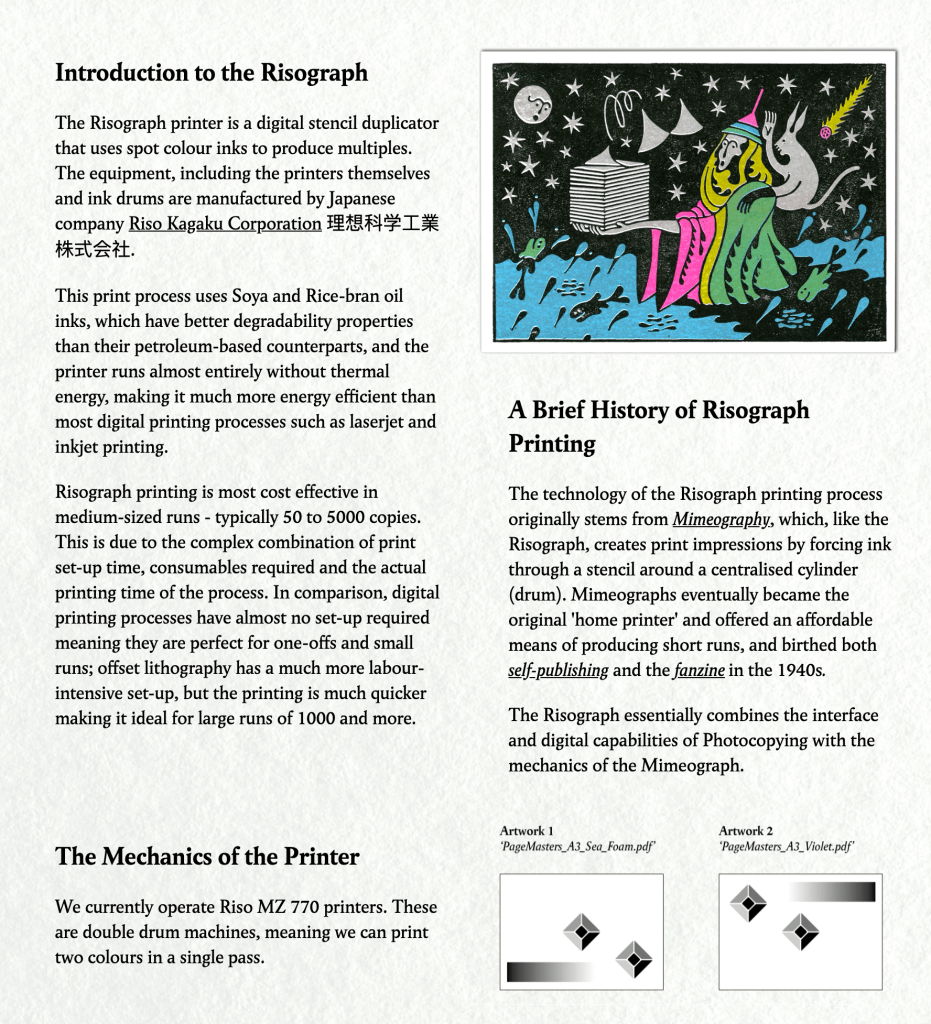
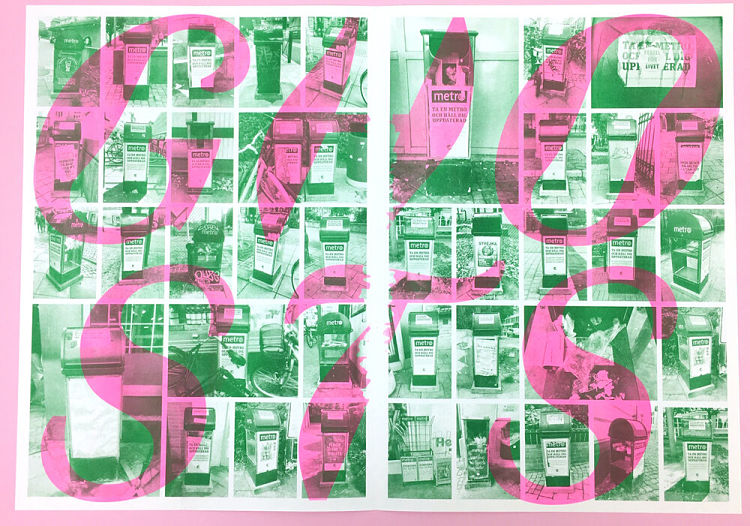
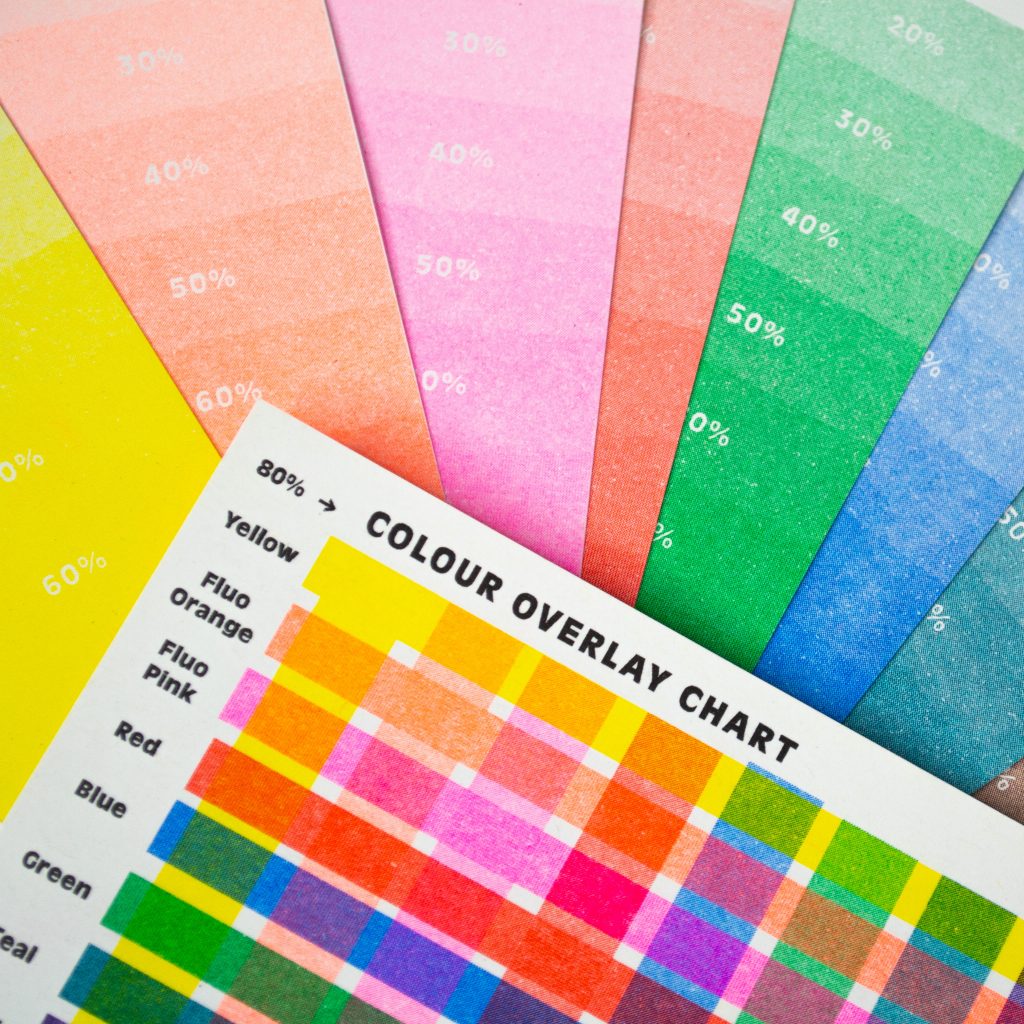
RISO is an environmentally friendly method of printing using soy/non toxic inks. Fantastic summary document located here all about it
Paper
Recycled or FSC certified?
“Sustainably managed forests can function as natural carbon sinks. This helps to keep the air clean and preserve wildlife habitats. The paper industry also provides a regular income for farming communities around the globe. Plus, as paper can be recycled many times, it shouldn’t clog up landfill sites.
The problems occur when paper sourcing, producing and recycling isn’t done responsibly. So the answer is in eco friendly paper.
You can identify both virgin and recycled paper products that meet FSC standards by the ‘tick-tree’ logo. This logo certifies that a product has been sourced from sustainably managed forests. Or that it’s made from post consumer waste (recycled fibres).”
Not all recycled paper is good unless it’s managed properly and protects the environment in the process, and it’s important to recognise the best companies for this.
Companies with logos such as these are ones to look out for:
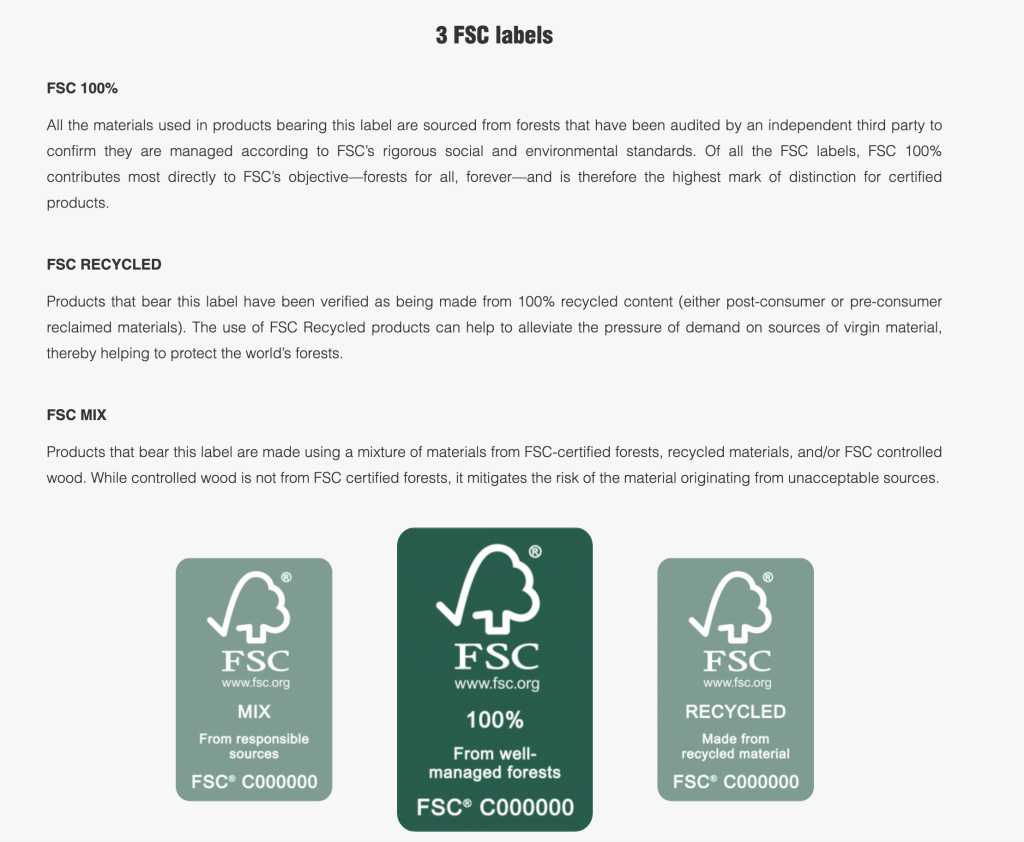
“There are three types of FSC labels:
- FSC 100% – 100% of the wood within the product comes from FSC certified forests.
- FSC Recycled – the wood or paper within the product comes from reused or reclaimed materials.
- FSC Mix – the wood within the product is sourced from recycled materials, FSC certified or controlled forests. Controlled forests do not mean that they’re FSC certified. But the wood in these products must still be responsibly sourced.
FSC certified products are widely available in the UK. As well as paper products, FSC logos can be found on many wooden products.
Garden furniture, household utensils and stationary can all be FSC certified. They’re stocked by many high street stores including Tesco, Sainsbury’s, Co-Op, John Lewis, and M&S.”
Typefaces
I have investigated this in a previous module:
SUSTAINABLE TYPEFACES
On further research, I decided I wanted to look at what is the best eco friendly font out there that is being used; is it Helvetica, Arial, or Garamond for instance? I found a really interesting article which goes into some detail about which typefaces are better for the environment. I am learning how much impact a typeface has in the design world, and how it’s probably accountable for much more printing than many realise.
Considerations for eco friendly typefaces that use less ink:
• Kerning needs to be small
• Weight needs to be thin/lightweight
• Sans-serif uses less ink – actually this makes me question Ryman Eco! That’s Serif. Why?
• Size needs to be considered in terms of how much paper is used for printing
“Century Gothic is often cited as one of the most efficient regular fonts; because of its thin print lines it uses 30% less ink on average than Arial. However, Century Gothic is a large, broad and wide set font so whilst it uses less ink, it uses more paper when comparing fonts like-for-like at the same point size. Using a smaller point size can reduce this negative impact; Century Gothic can accommodate this without losing legibility because of its wide-set nature.”
– LEAP STUDIO
The quote above explains whilst a typeface may have a thinner weight, it’s wide on a page and therefore uses more paper. I guess the challenge for a sustainable typeface it to consider the carbon footprint of the printed material; not just the ink. A typeface that uses more pages uses more paper, therefore more space, more fuel for transporting and energy, power, time etc. It has a really big impact.
Ryman Eco
I have researched this in a previous module and these were my findings:
The Ryman Eco lines in the lettering include space so that there is less ink printed – 33% less ink than standard fonts. What I love most about this is that it becomes a decorative typeface when large, which is lovely for headers and page spreads, but then when it’s small you hardly notice the white space in the letters therefore it’s still readable.
Even though I mentioned I loved this font through previous module research; I’m beginning to look at it in a different light. What is interesting is how this typeface was claimed to be the most ‘beautiful sustainable typeface in the world’ – yet highly critiqued. I decided to look at why people/designers think this is a bad typeface. Apparently ink isn’t as bad a contributor to the environment as Ryman make out to be (creating about 15 percent carbon footprint per printed page; the problem seems to be paper use not ink. Although making a smaller typeface would help that… But maybe people just need to print in smaller writing?!) – not mentioning the fact Ryman stationery created this font – they are an office supply store. Is this a very clever marketing ploy to get people to purchase paper and ink from them thinking they are sustainable?
Summary
Change the system
The problem goes beyond sustainable materials and it needs to evaluate the graphic design system:
“Creating a single range of furniture made from a natural material such as cork, seaweed or a fungus like mycelium might be a step in the right direction and is something many designers have attempted in recent years – but this is little more than a token gesture towards a massive problem, says Nicolas Roope, founder at digital studio Poke London.
Rather than creating individual products “in a vacuum”, product and industrial designers in particular should be using their skills and imaginations to actually change industry and “move markets towards new modes and behaviours”. One example of this is CupClub, a cyclical coffee cup reusable system, originally created by Studio D-Tale, which has since helped to form part of a wider conversation around reusable cups and plastic waste. “Designers should make these steps feel like progression, not compromise,” says Roope.” Source
Can we break our addiction to plastic? The future of packaging
Looking at the process of packaging as a whole means changing the process:
“The deeper you delve into the problem of plastic packaging, the more you start to realise that there is very little consensus on solutions. Every answer has a rebuttal. Recycling is good! No, it’s broken. Paper is the answer! It will never work as well as plastic. Technology will save us! It will take years to be commercially viable. Taxes and regulation are needed! Government intervention is ineffective. There are a few things, however, that people do agree on. Consumers need to be on board or even the best-intentioned efforts will fail. Coaxing out new behaviour requires learning by trial and error, something that does not come naturally to massive consumer goods companies. An executive at Unilever says that its research shows only about 15 per cent of customers care enough about environmental issues to change their buying habits, while a further 50 per cent will only change if it comes at no extra cost or hassle for them. “Our job is to find solutions that will work for that majority of customers, the great masses, not the extremes,” he says. “That is how we can have real impact.”
How can design make something more accessible?
When answering the question, Seetal Solanki states that when designing for people it needs to feel personal and accessible. A service must be functional for everybody and not seclude anyone:
“At Ma-tt-er, we often frame materials through play. Ultimately we’re trying to humanise materials in order for people to relate to them. For me, design is all about relationality and accessibility and that’s exactly how we work with it. It’s about getting people to feel like they can be part of it and for it not to feel like it’s something that is too aspirational.”
I also really liked the statement relating to the fact that the projects are not one sole person’s output and that it always involves collaboration:
“When we talk about collaboration in the design process, there is also never just one person involved ever. There’s somebody who has grown the cotton for example, somebody who has picked the cotton, somebody that’s shipped it to where it needs to be shipped to, somebody who is sewing it, somebody who is designing it, and then somebody selling it and so on. These voices have never been presented in the space of design though they’re actually involved in the process.” Source
Ma-tter studio
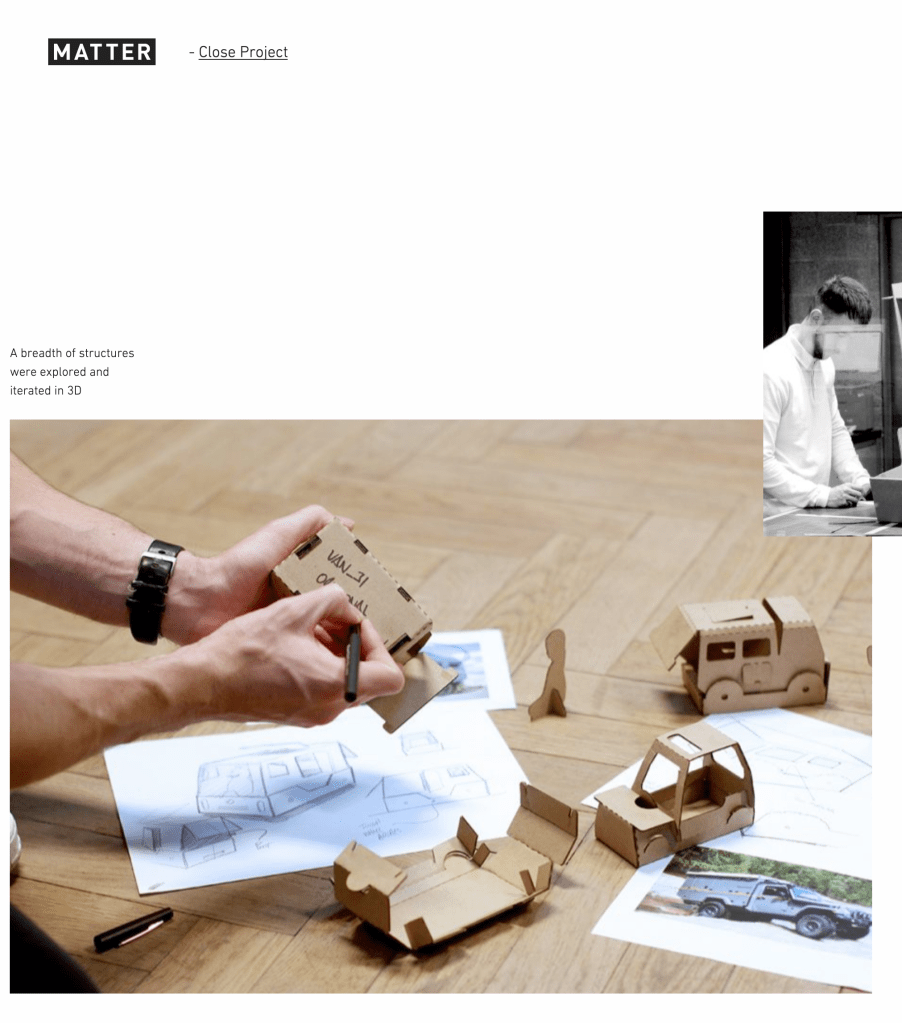
Following the above article interview with climate activist designers, I wanted to explore Ma-tter’s studio and I was happy to see some sustainable projects – one being:

 jesswhatley.design.blog