
Further research as I develop editorial
Mining
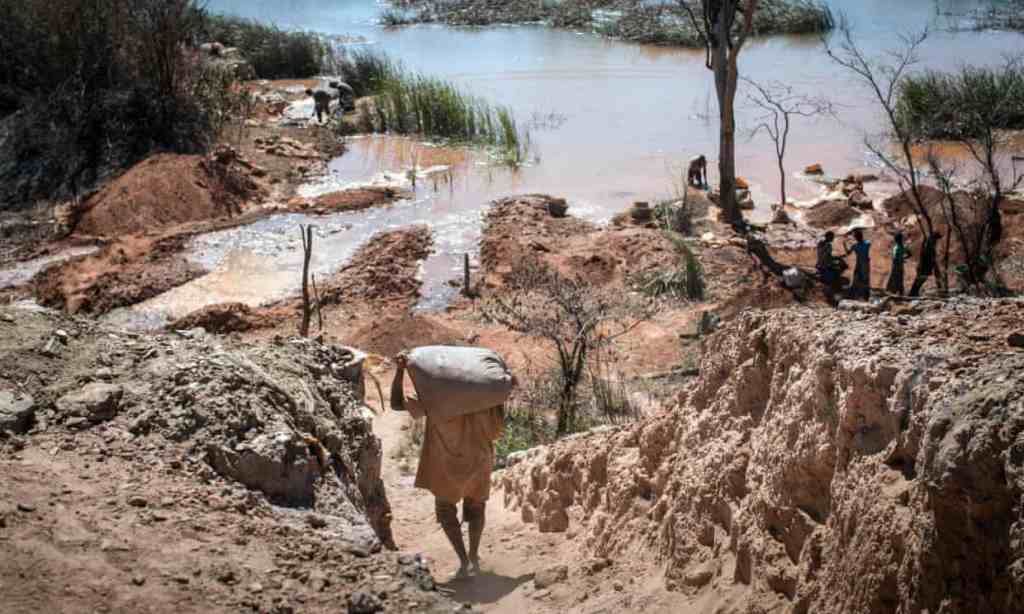
I know mining is dangerous and is responsible for poor working conditions etc. but I wanted to research articles about it so I feel better informed, and can explain to my reader the seriousness of the issue.
• The guardian – “Is your phone tainted by the misery of the 35,000 children in Congo’s mines?“
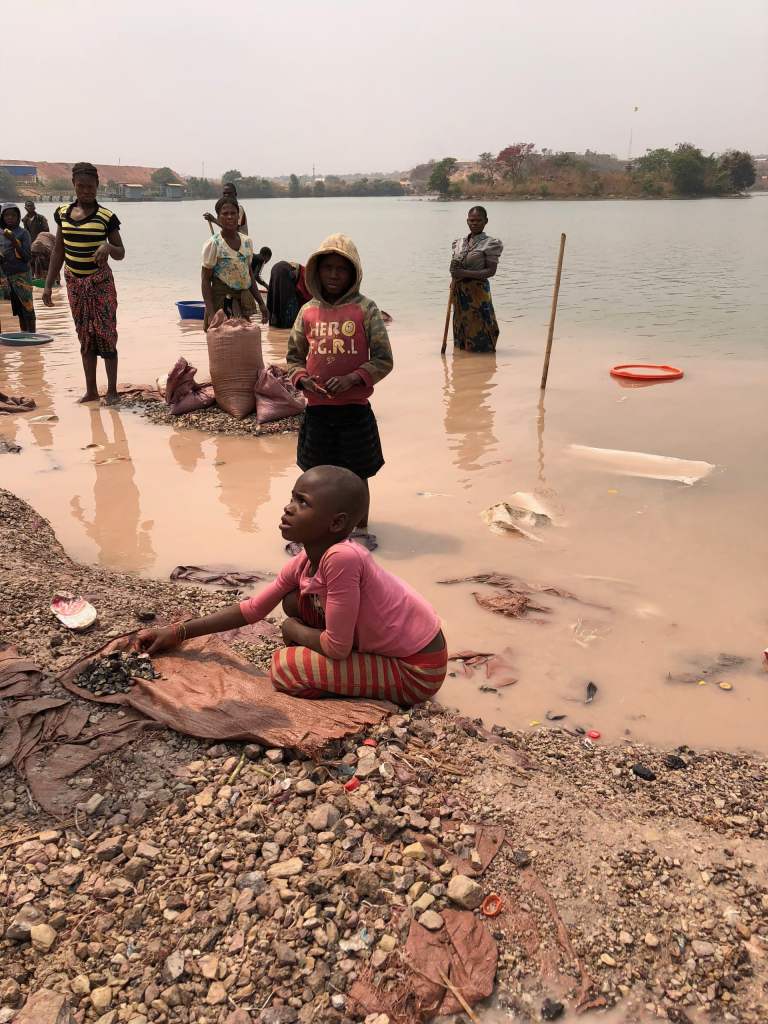
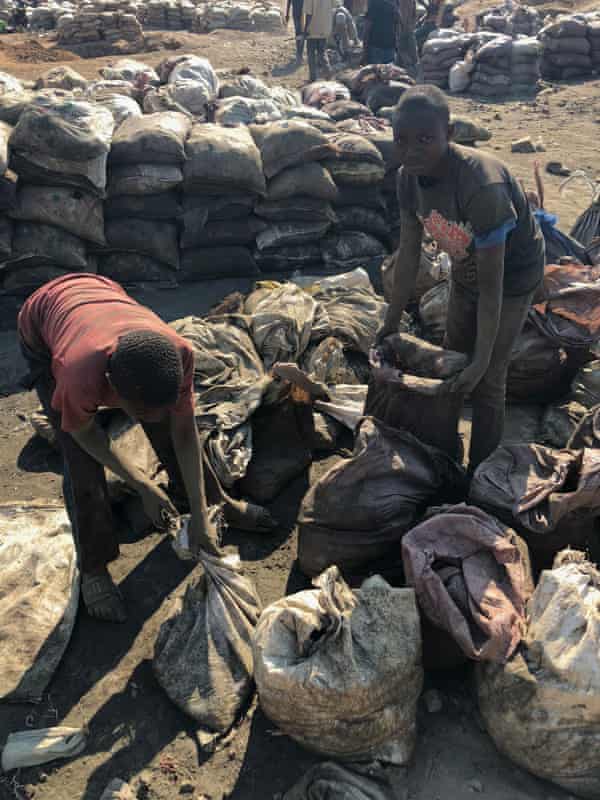
“I documented the horrors at 31 artisanal mining sites in the south-eastern provinces, including several previously undocumented sites in remote mountains near the Zambian border. Based on the data I gathered, I estimate there are more than 255,000 creuseurs mining cobalt in DRC, at least 35,000 of whom are children, some as young as six.”
This is so unethical and really is an issue that should be discussed with my audience, I will certainly be exploring this in my editorial. What I particularly resonate with in this article is that there is a short story about a girl aged 15 who has a child, and is mining cobalt. I feel I need to address the problem directly with my audience, as 15-20 year olds won’t know much about this (as opposed to adults wider knowledge for instance, not saying it’s because they’re not interested). Putting this story in the editorial immediately presents a sense of reality and puts things into perspective. The girl is working all day every day to earn 50p a day… It’s really quite shocking. I am hoping this is the message that drives home, and allows my viewers to understand the grand scale of the smartphone problem.
What actually is Cobalt?
• “Cobalt is a chemical element with the symbol Co and atomic number 27. Like nickel, cobalt is found in the Earth’s crust only in a chemically combined form, save for small deposits found in alloys of natural meteoric iron. The free element, produced by reductive smelting, is a hard, lustrous, silver-gray metal.” – Wikipedia
Why is it relevant?
• Cobalt is found in the rechargeable Lithium-ion batteries in smartphones (source) and laptops, pretty much all things rechargeable.
What is the DRC and why is it so bad?
• The Democratic Republic of the Congo (DRC) is in dire poverty. Mining is the only way of earning a living. “ASM cannot simply be shut down, however. It is a lifeline for millions of Congolese who live in extreme poverty. Cutting ASM out of the cobalt supply chain is neither feasible, due to the interwoven nature of the cobalt supply chain, nor desirable from a development perspective. Instead, companies committed to setting up responsible cobalt sourcing practices need to take responsibility for addressing the human rights violations that taint the DRC’s ASM sector.” – (source)
Also another interesting article that I got my information from in my editorial here at treehugger:
•”Manufacturers don’t have satisfactory answers. Tesla has yet to send someone to Congo, after promising months ago to “send one of our guys there.” Amazon, whose Kindles use Congolese cobalt, declined to comment. LG Chem, a battery supplier to GM and Ford, says its cobalt comes from New Caledonia, despite the suspicious fact that LG Chem “consumes more cobalt than the entire nation of New Caledonia produces, according to analysts and publicly available data.”
“Apple says it supports the addition of cobalt to the 2010 anti-conflict minerals law and has promised to treat cobalt as if it were a conflict mineral, requiring all refiners to provide outside supply-chain audits and conduct risk assessments, starting next year.”
It seems companies know how bad the mining is and are blatantly ignoring it because it’s a cheap way to get the materials. Where is the ethical standards? This just doesn’t seem right, companies are fully taking advantage of poor countries.
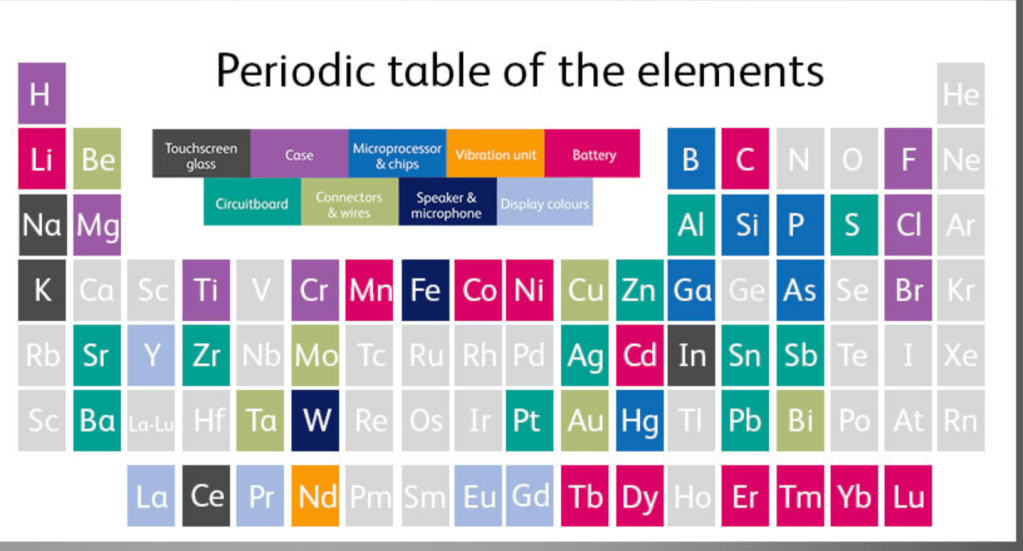
The elements
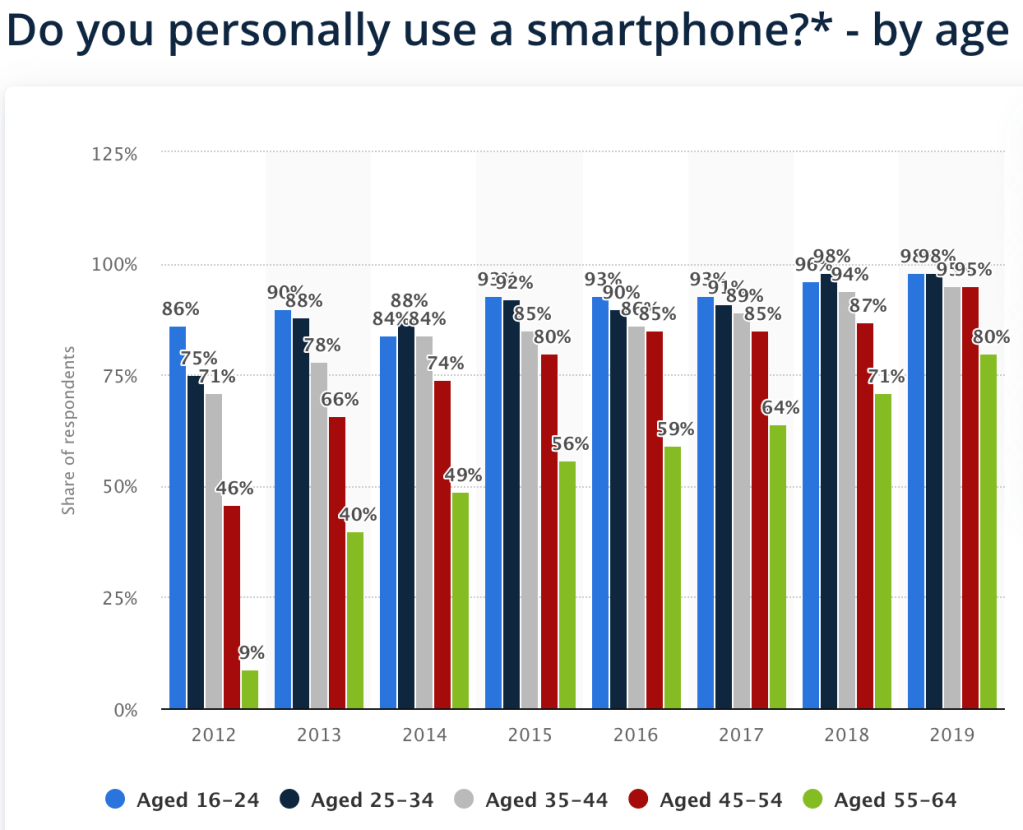
Age group statistics (again)
Donation companies and organisations who accept old phones and their statements:
Wateraid:
• Love your new phone, but not sure what to do with your old one? Recycle it for WaterAid and we’ll use the money to transform lives with clean water, decent toilets and good hygiene. You could even arrange a collection at your workplace or school. And with every phone raising an average of £5, you’ll soon be making a big difference.
Three:
• Your used mobile phone could be donated to a young person at risk of homelessness, someone who’s just left the military or a victim of domestic abuse – the list goes on. And whether it’s helping them learn new skills, get job alerts instantly or even just become more independent, this small gesture would make a big difference to them. The phone you donate can help them get reconnected to the online world.
eBay:
• Get more cash for your smartphone. Even old, broken and used phones are worth money – find out how much.
Mazuma:
• To sell your mobile, simply search for your model on our website and get an instant price. Unlike many other mobile phone recyclers, our prices are upfront, fixed and guaranteed – no nasty inflated ‘up to’ prices to tempt you in and leave you disappointed.
Oxfam:
• Making a donation to Oxfam with Fonebank is easy. We turn every mobile phone donation into cash for Oxfam to buy vital kit, such as water tanks, wells, tools, seeds, school books – and loads more.
O2:
• Whether you are passing it on, receiving a phone, or passing on a tablet, O2 will be sure to help during that transition.
Mining related charities/funding
In order to offer charitable t-shirts within my editorial for raising awareness, I have also explored jewellers to see what I can find more about the mining industry and how my audience know where their money will go when they buy t-shirts. I am going to state 20% of a £10 t-shirt will support the mining industry and proceeds will continue to help us fund our campaign.
Gemporia’s statement on slavery and human trafficking:
• I have been unable to find much information or anything relating to charity work through Gemporia. On the plus side, it’s been beneficial to see the statement attached as could be useful for upcoming projects.
WWF’s responsible mining and extraction of oil and gas:
• This is what I plan to have as a donation from each sold t-shirt I’ve designed. Proceeds will go towards protecting the ethical trading standards and environmental protection.
Ethical phone!
Fairphone
Fairphone
• Fairphone builds a deeper understanding between people and their products, driving conversations about what “fair” really means. By creating a more sustainable smartphone, they’re demonstrating the endless possibilities for a fairer future – for everyone. Recycling scheme also available!
 jesswhatley.design.blog