
Reference material
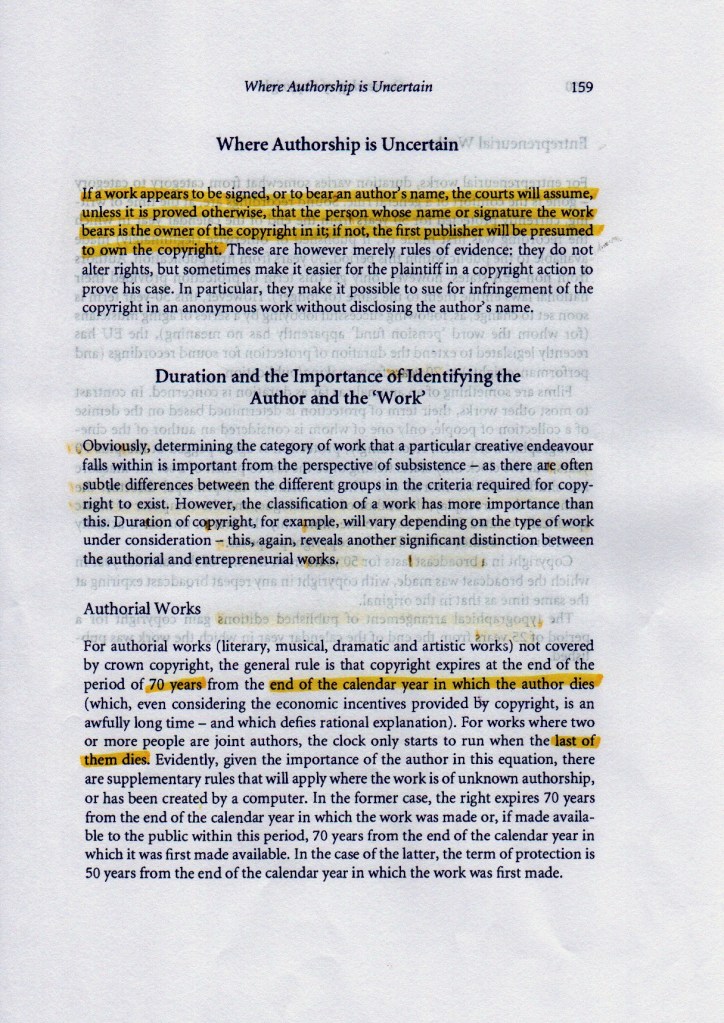
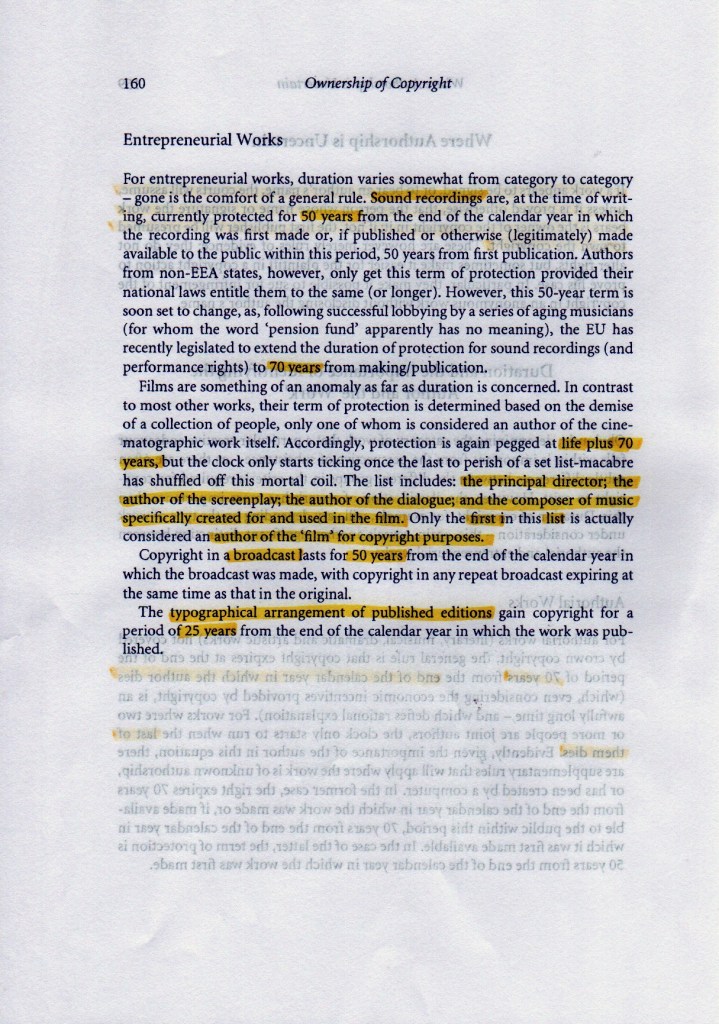
Ownership of copyright:
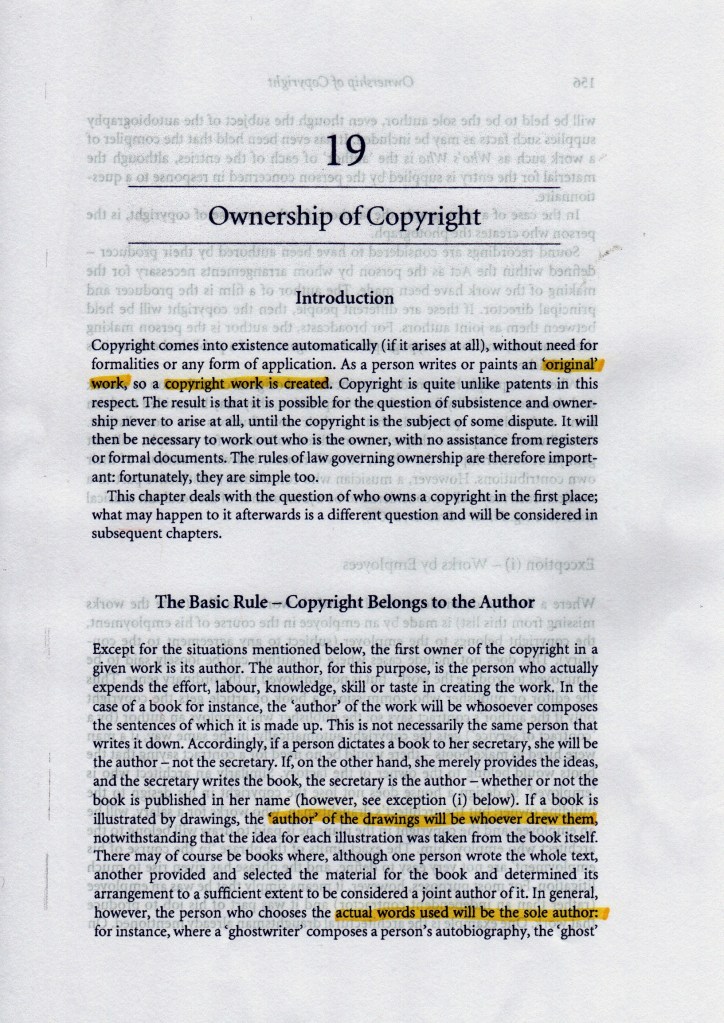
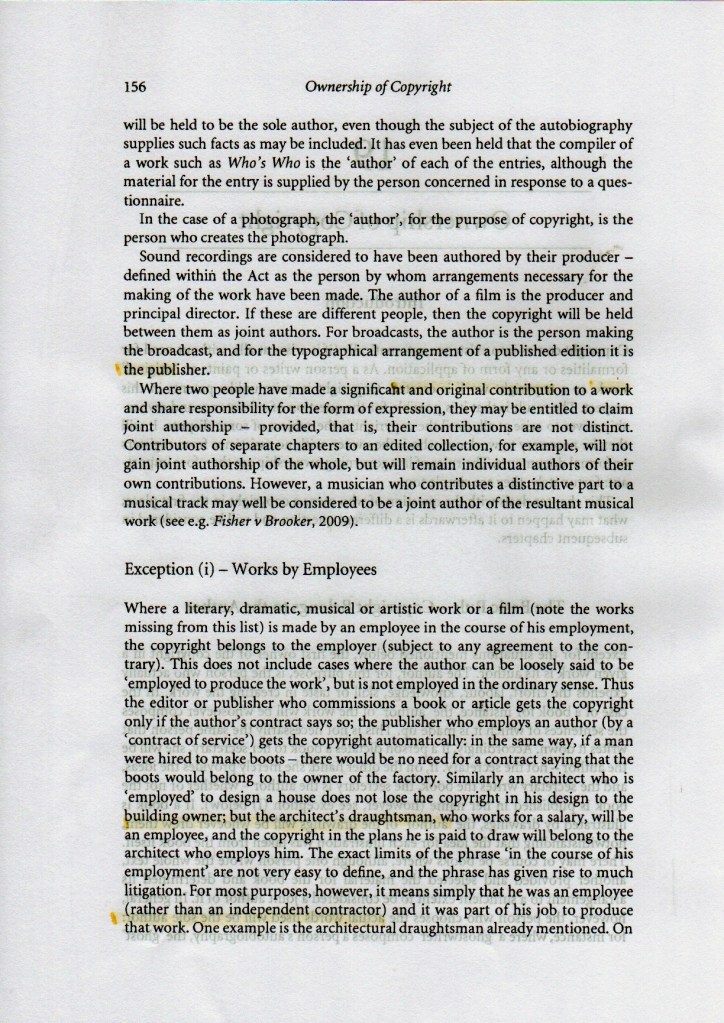
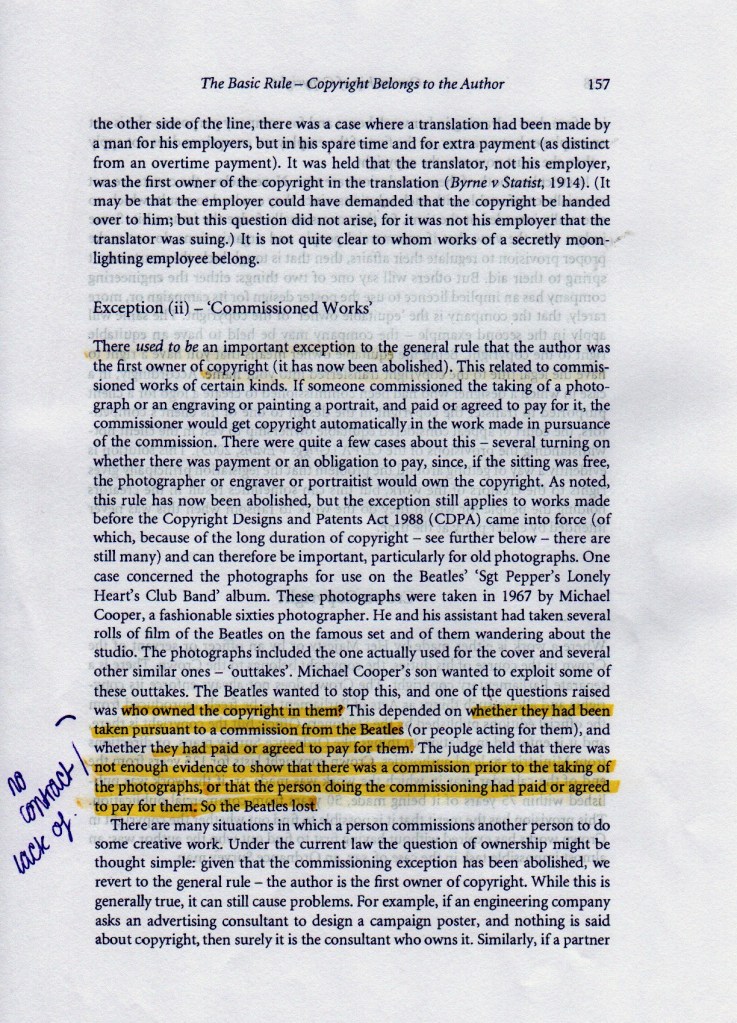
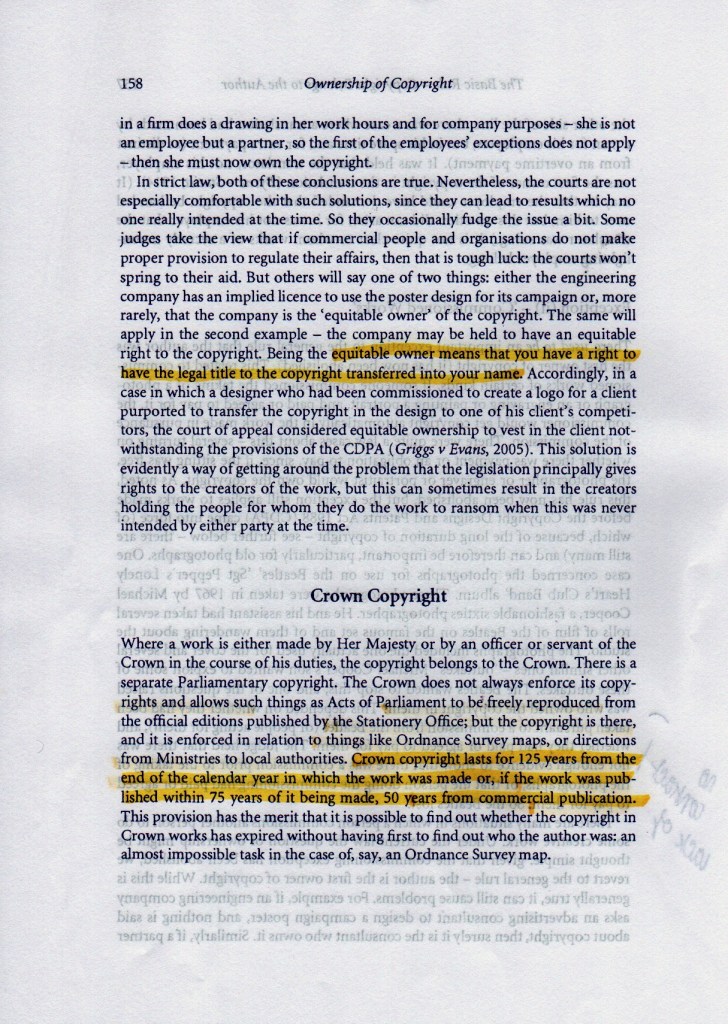
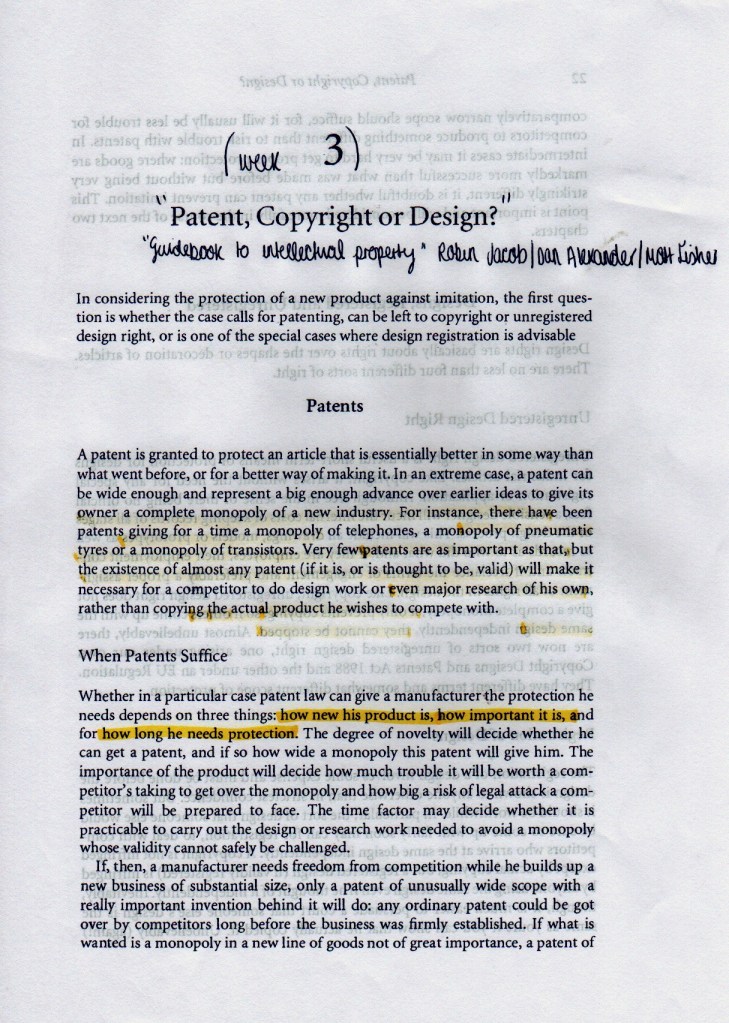
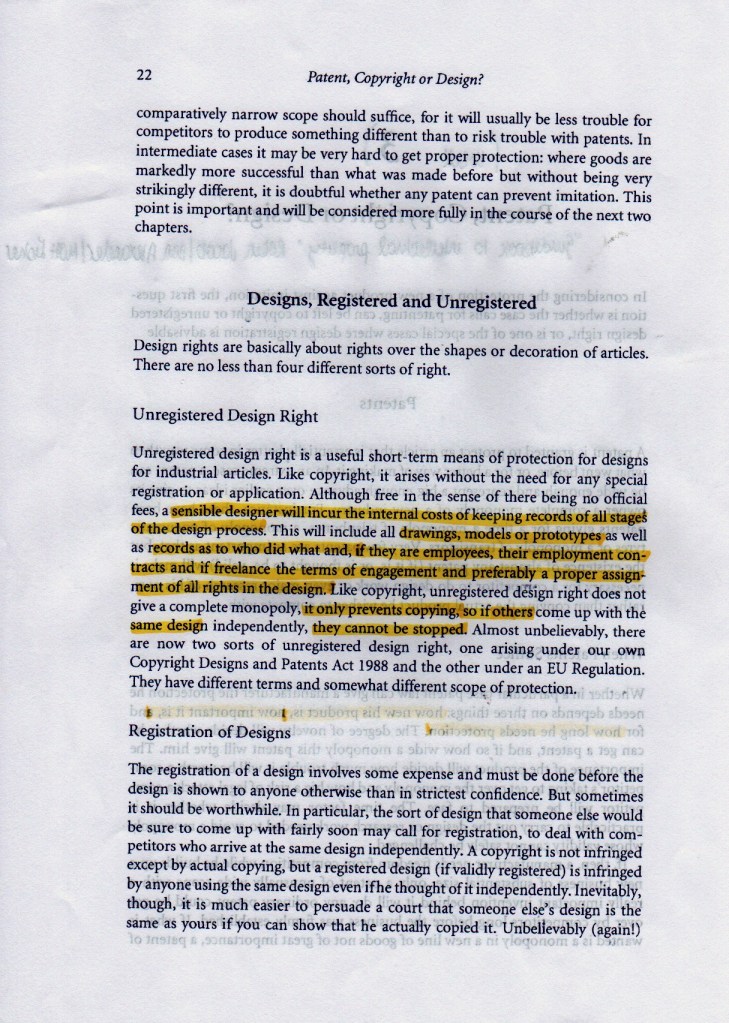
Patent, Copyright or Design?:
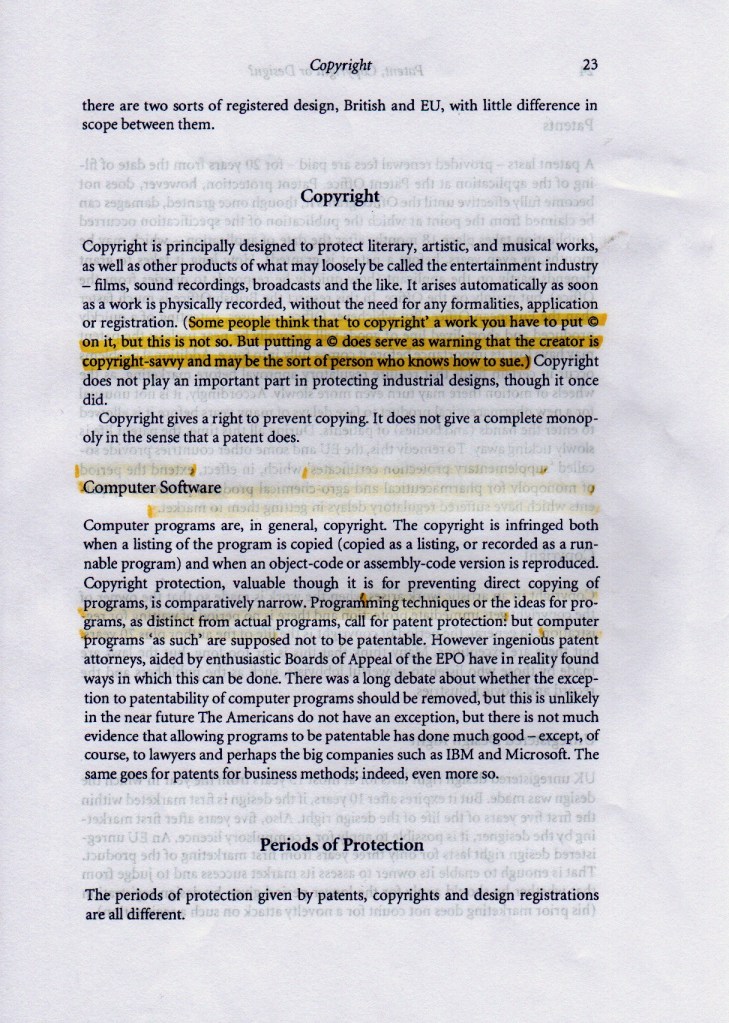
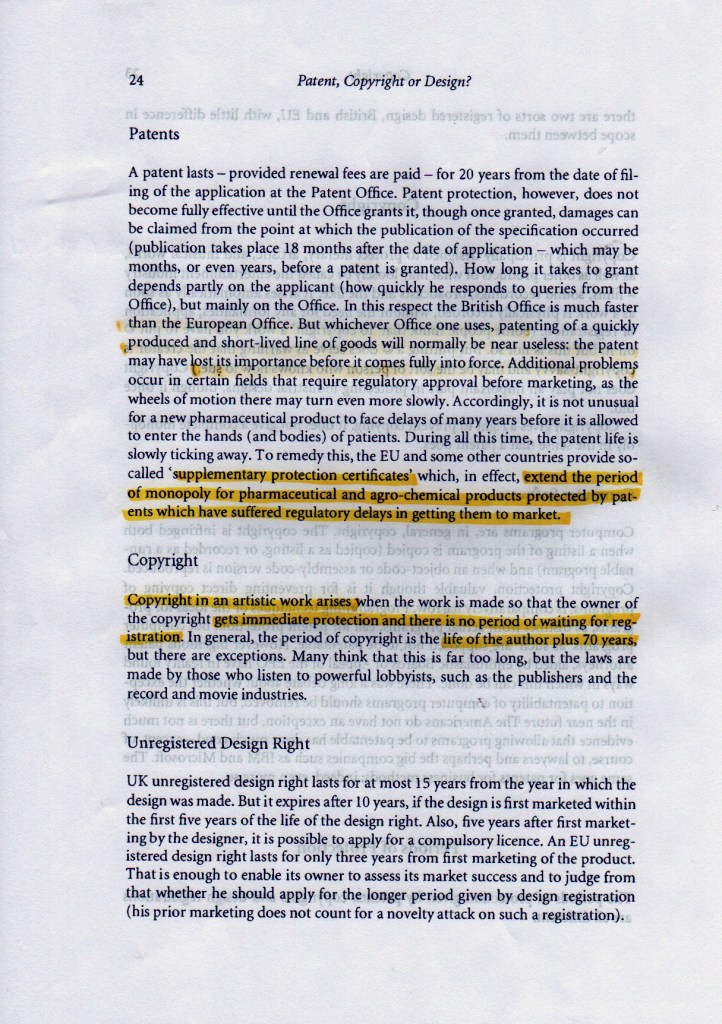
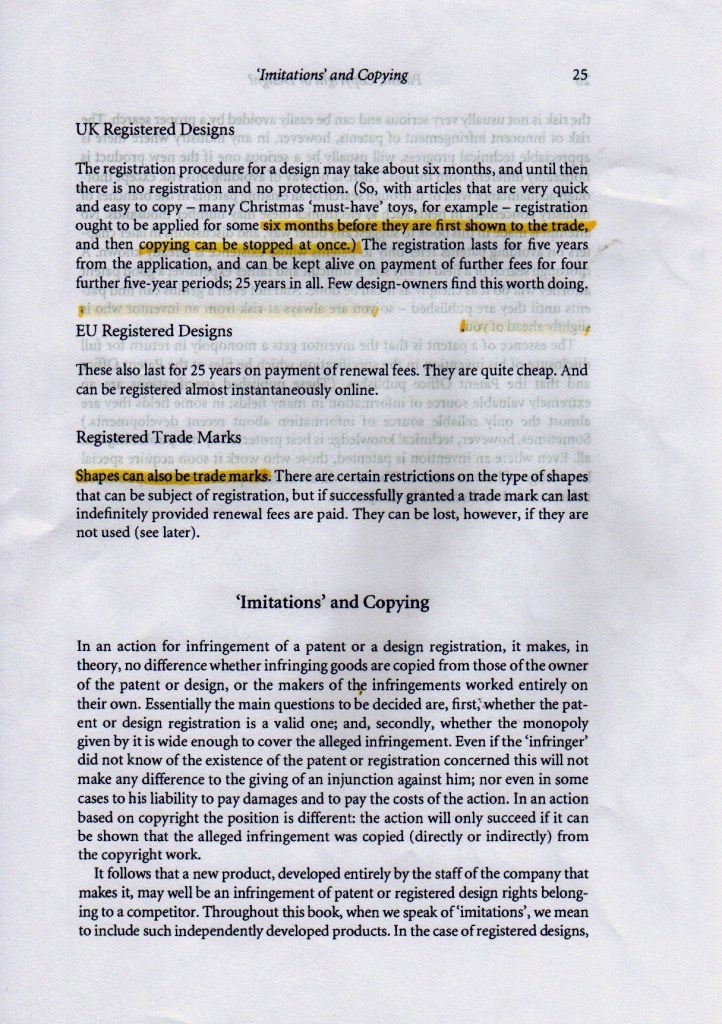
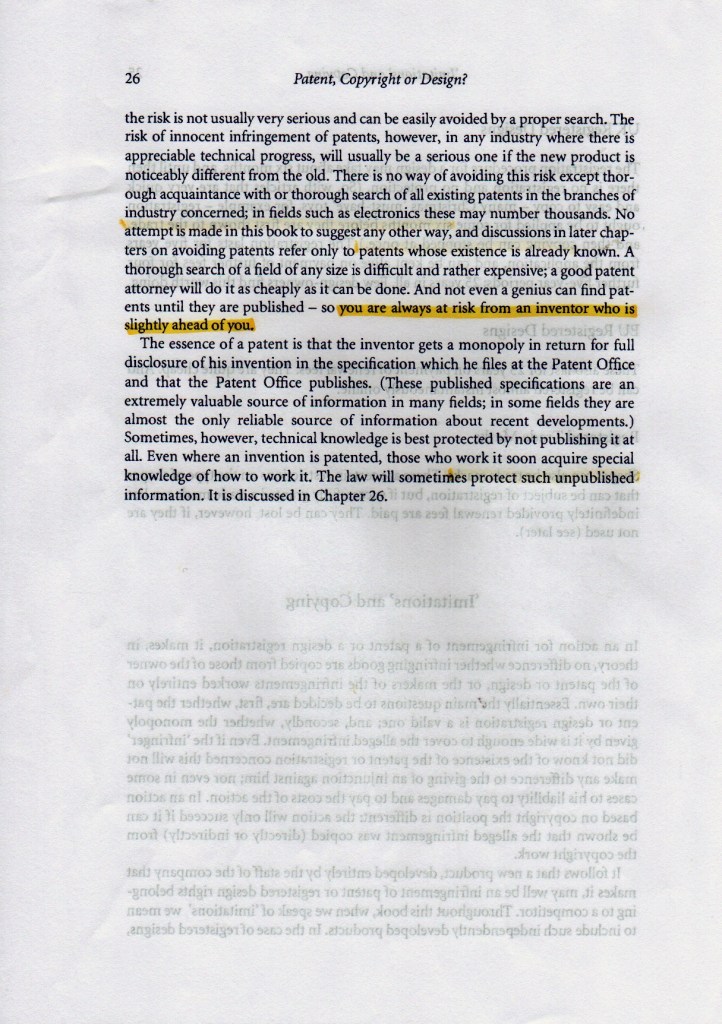
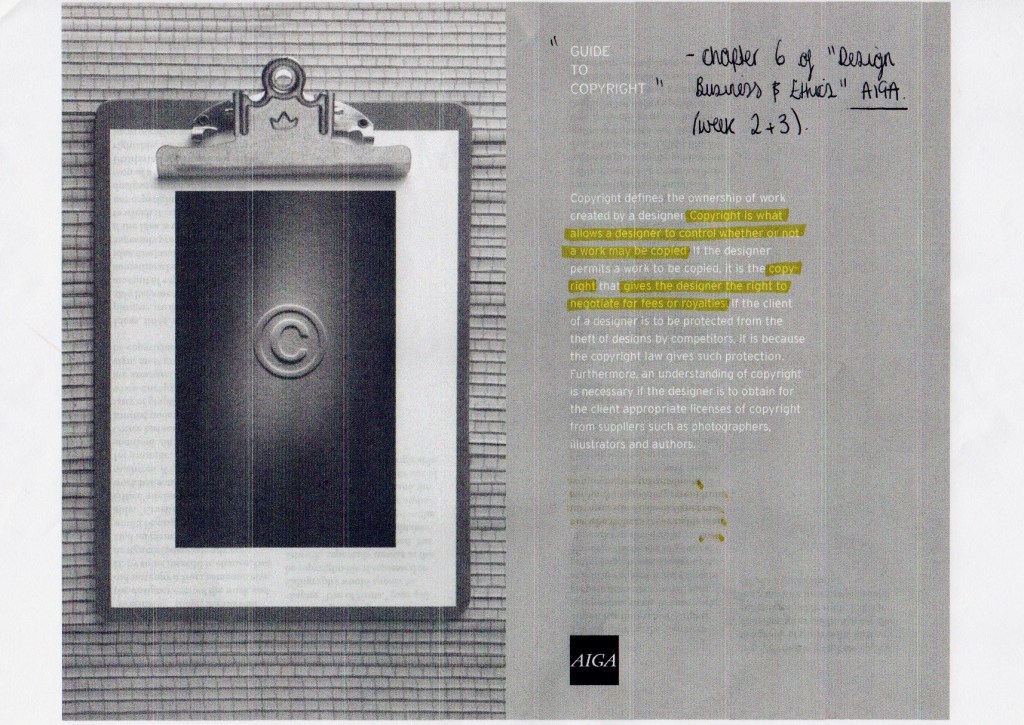
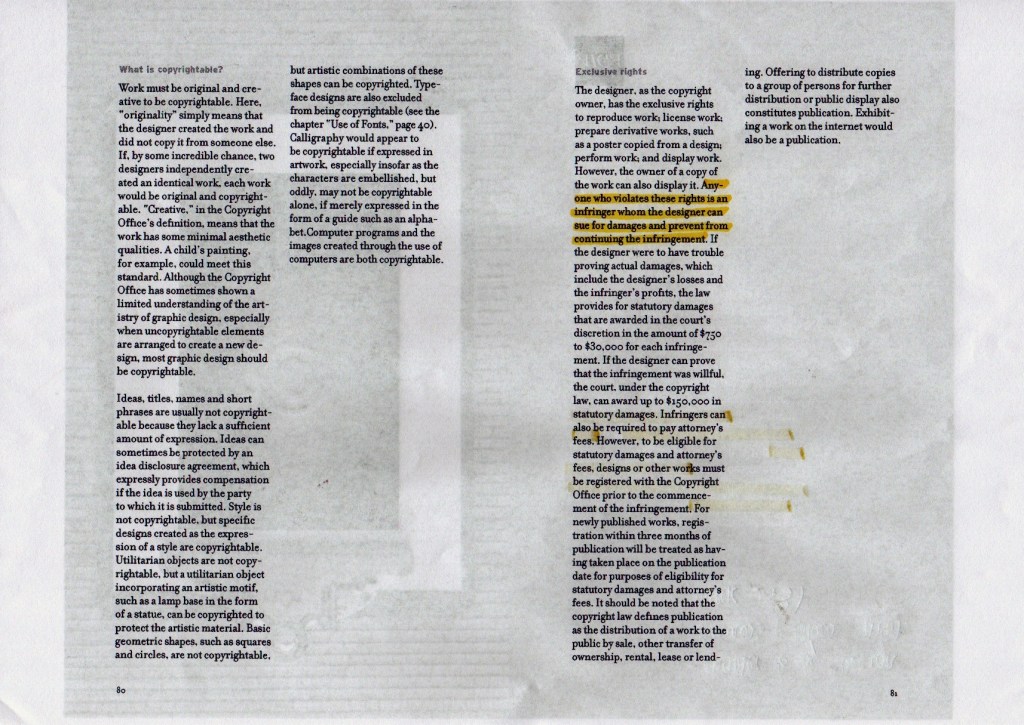
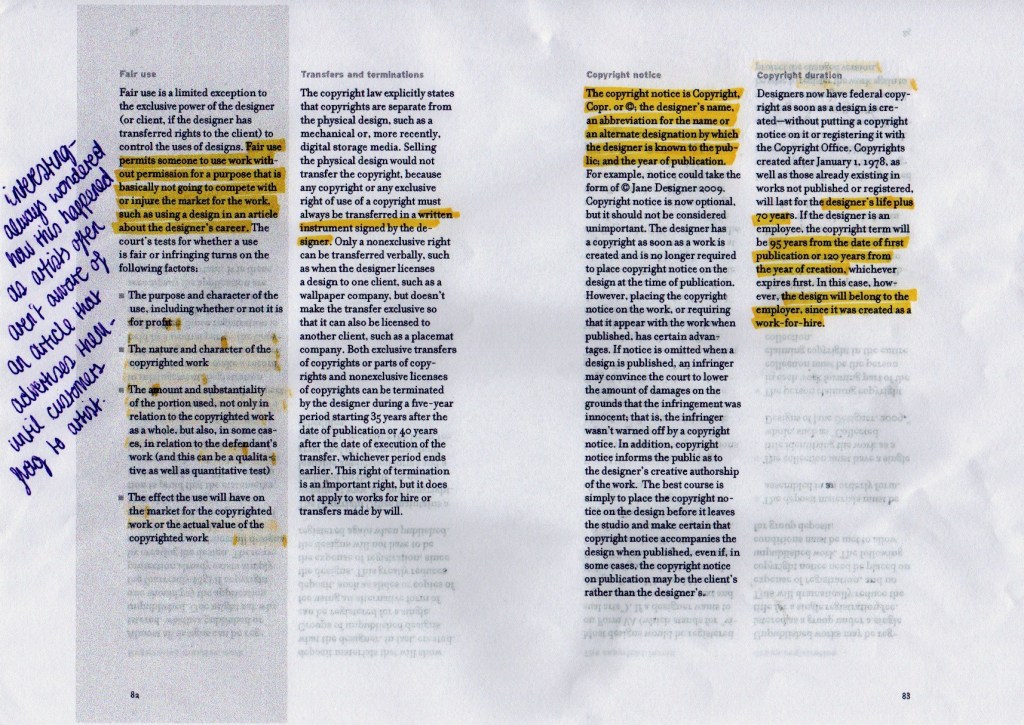
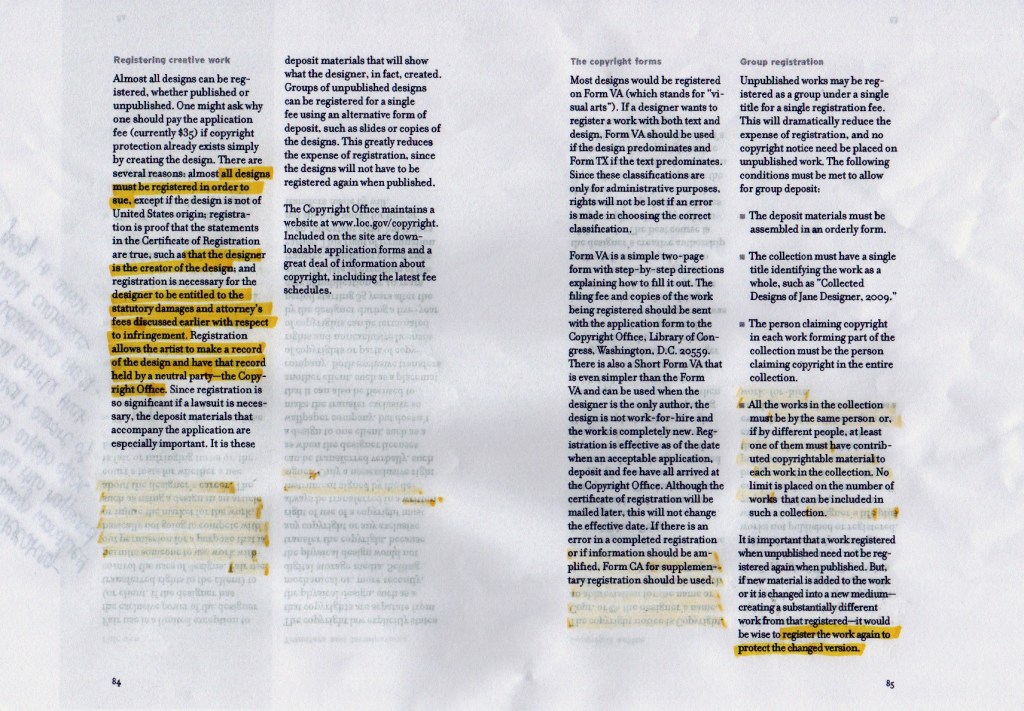
Guide to copyright:
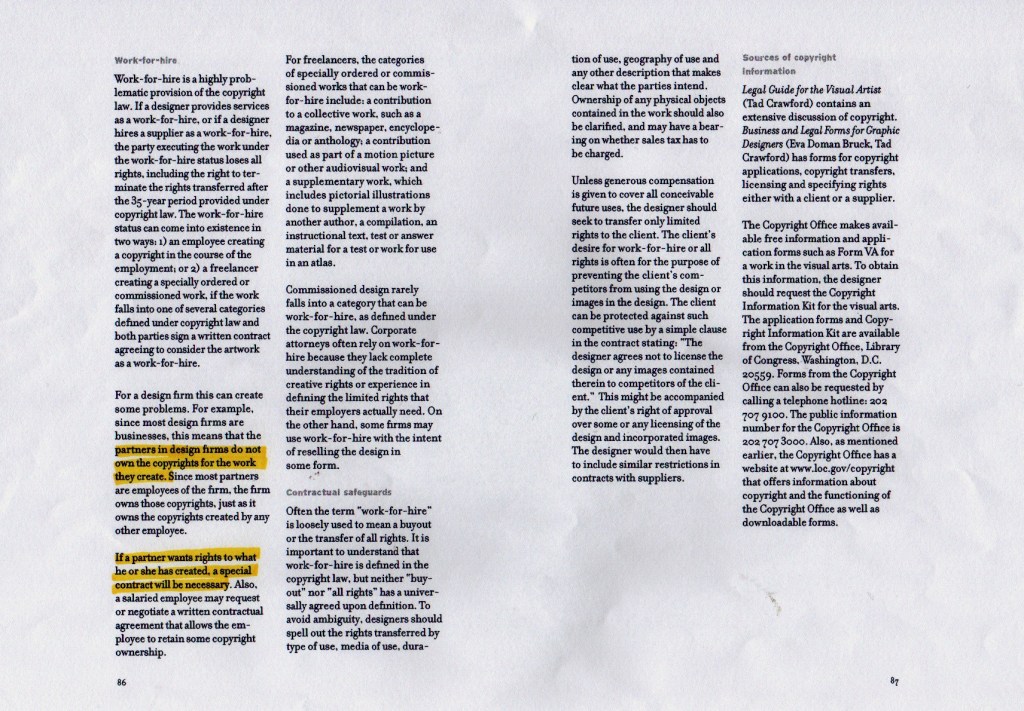
Tokyo Olympics:
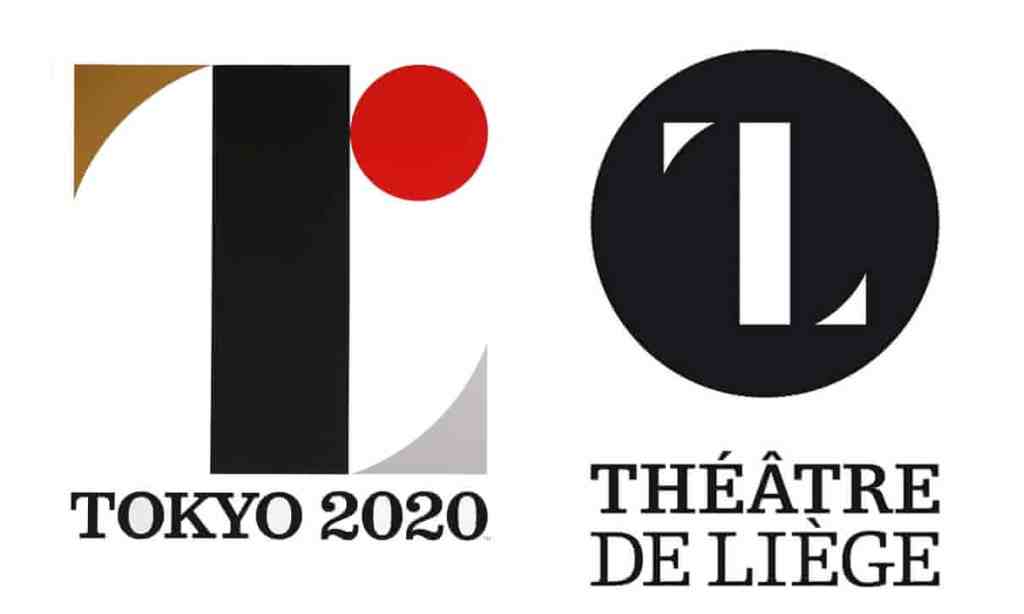
It seems to me from this article that Sano’s defence is that he has the extensive research and development to back up the final outcome. My question is: how does someone know whether that has just been added to a process to make it look like it was their idea? Presumably that would be tracing back dates to when they claimed to be created, in emails or documents. That is one benefit of technology – time stamps. If someone was working in a sketchbook that would be a little harder to determine?
Provenance (french, meaning ‘to come from’)
This week’s research has got me thinking about provenance, and how it’s possible to verify where artwork or creative projects originated. According to medium‘s article some good examples of provenance are:
• it specifically describes the piece
• it’s an original document
• all owners and signatures are verifiable
• based on fact, not opinion, unless from a respected source
What are the different kinds of provenance documentation?
• receipt, invoice, or bill of sale
• catalogue raisonnes
• appraisal
• archive
• proof of sale at auction
• inventory number from a museum or corporate collection
This would be good to remember for contemporary work also. Very similar methods are required to trace back artwork to an owner. However, now so much artwork is online especially on social media like instragram, how may these rules change?
• watermarking
• use low-res images
• record the date of your creations
• mail the artwork to yourself
• put your signature on your work
• conversations online with people you work with
• create a contract
 jesswhatley.design.blog