
Existing collectives:
DROOG
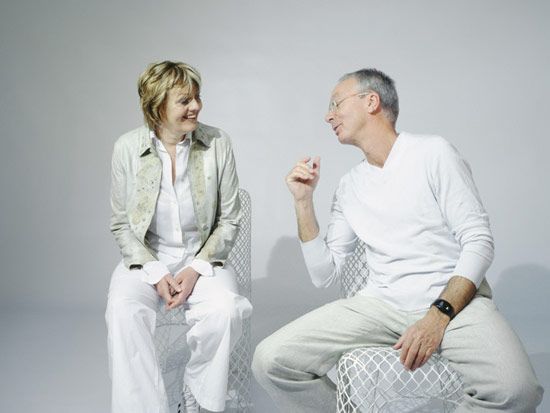
Droog was founded in 1993 by product designer Gijs Bakker and design historian Renny Ramakers. They titled their business Droog as it meant ‘dry’ in dutch. This relates to the term of design being ‘no nonsense’ and very ‘straight to the point’. They also mention how the dry humous relates to looking at the world through a different perspective. There is always a concept behind their work.
The way Droog works is they hired designers to showcase work at an exhibit. It’s a network of designers, architects and artists. The Droog collection currently consists of more than 200 products designed by more than a hundred designers. The Droog collection is distributed via the website, the Droog stores in Amsterdam, New York and Tokyo and limited retailers worldwide. New designs are often developed and presented in relation with exhibitions, such as Marcel Wanders’s knotted chair.
Knotted Chair:
Pentagram
The firm currently comprises 25 partner-designers in five cities, each managing a team of designers and sharing in common overhead and staff resources. The partners in each office share incomes equally and all the partners own an equal portion of the total firm. This equality, along with the tradition of periodically inviting new members to join, renews the firm while giving even the newest members an equal footing with the partners of long standing. This ‘flat’ organisation (there are no executive officers, CEO, CFO or board, other than the entire group) along with the self-capitalised finances of the business, allows equal participation and control of the group’s destiny by the member.
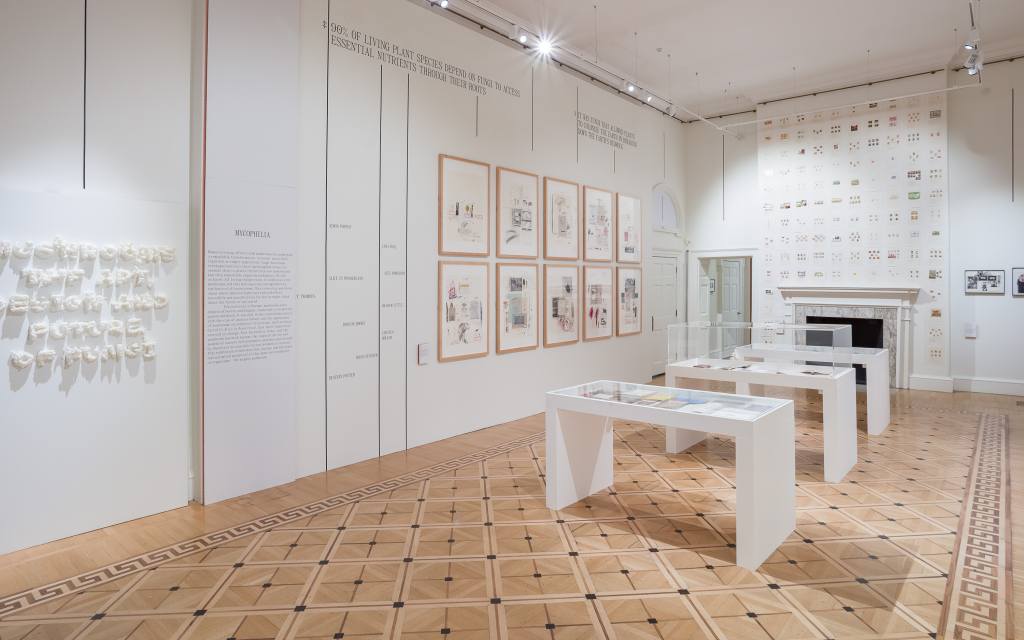
Mushrooms: The Art, Design and Future of Fungi:


United Visual Artists
UVA has a ‘people’ tab in their About section which I wanted to see the most, I think seeing an example of how a collective is set-up will give me an idea about what roles are required within a team.
Matt Clark – Conceptual and Artistic Direction for the studio
Maximo Recio – Multi-disciplinary designer, supporting the development of design and conceptual challenges related to the studios work.
Willem Kempers – Interaction designer, Willem uses code to create form and behaviour. His work focuses on making the digital interpret the physical, and how digital processes can be manifested in physical space.
Lee Sampson – Lee specialises in technical system design and project delivery. Utilising his experience in a variety of technical and creative roles, he focuses on the integration and installation of experiential technologies.
Jon Skerritt – Jon is an architectural designer. He supports the development of the studio’s projects designing both physical and virtual spaces.
Holly Brearley – Holly supports the studio with project management and logistics. She has a fine art background backed up by several years experience in the event sector working on project mobilisations and creative development.
Wayfinding research:
Richard Wolfströme
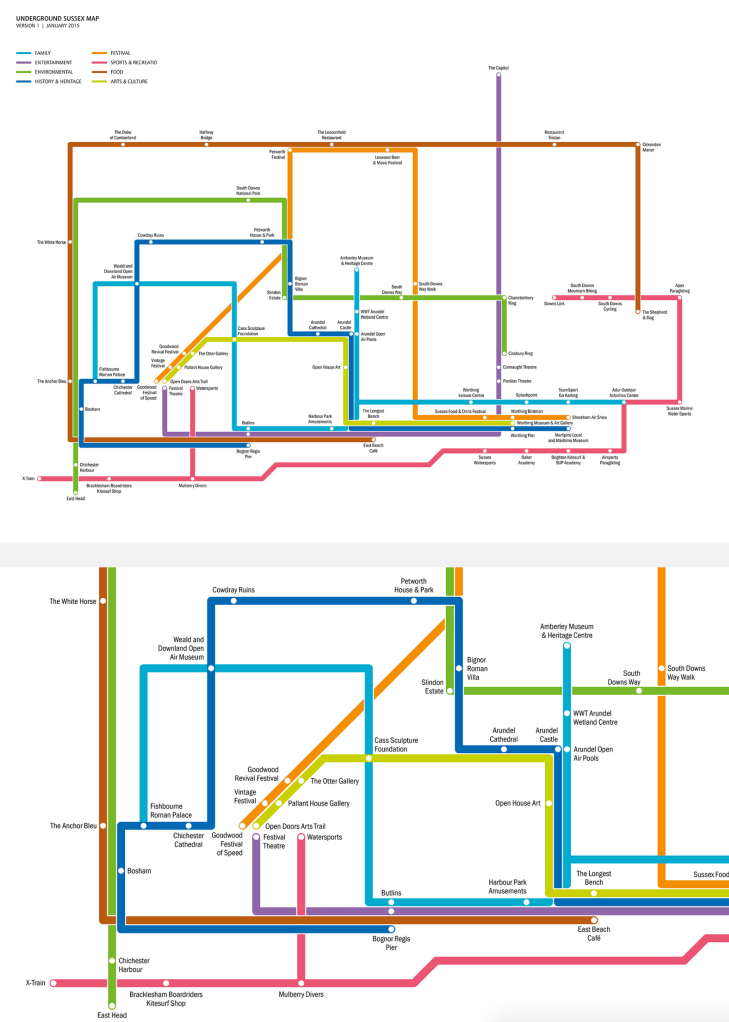
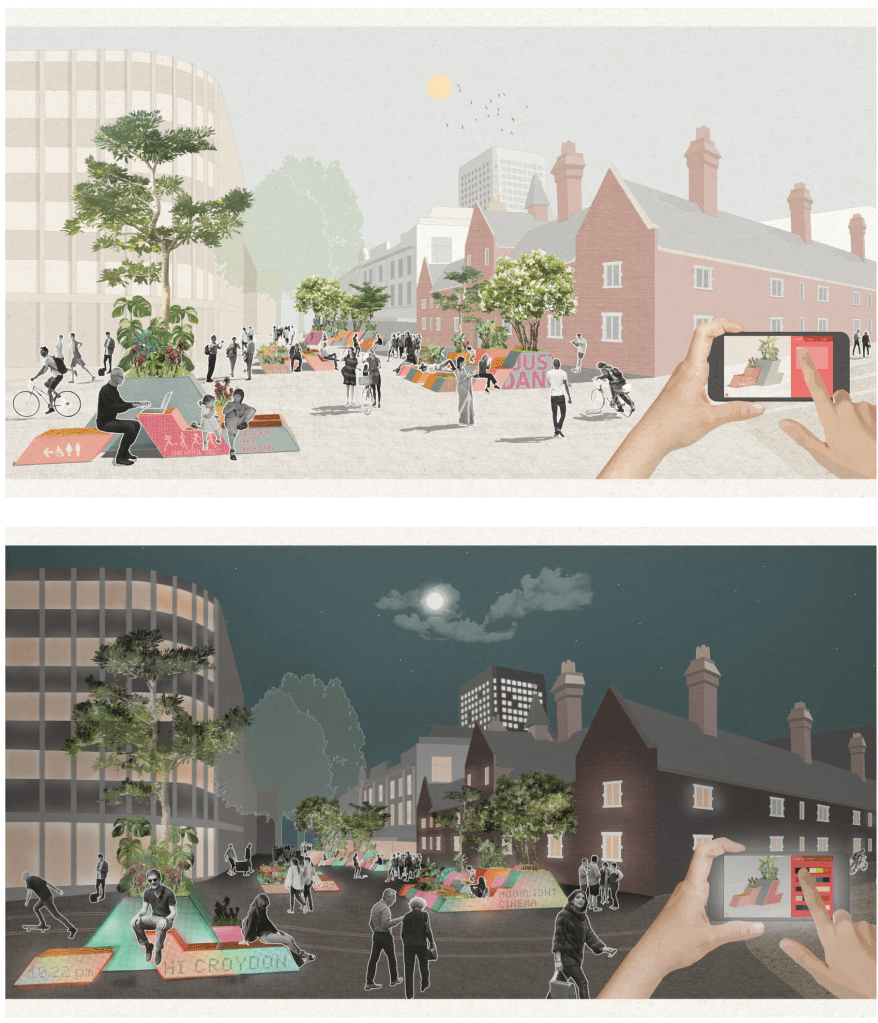
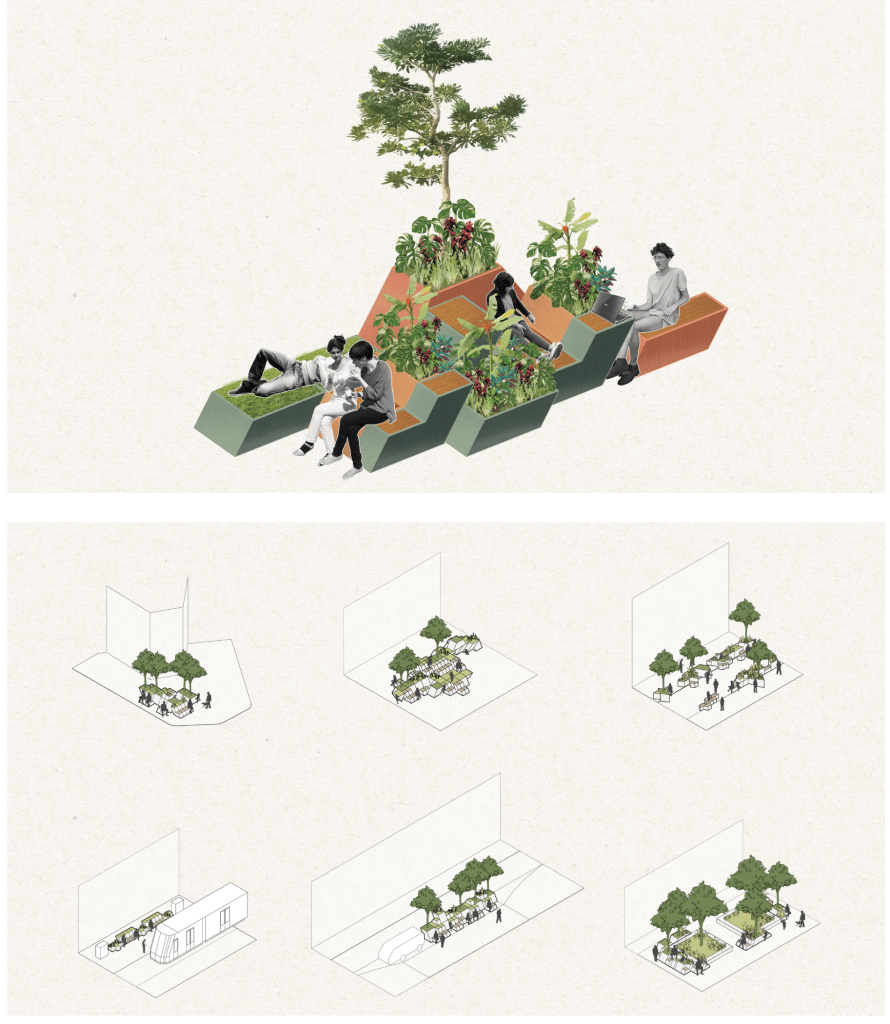
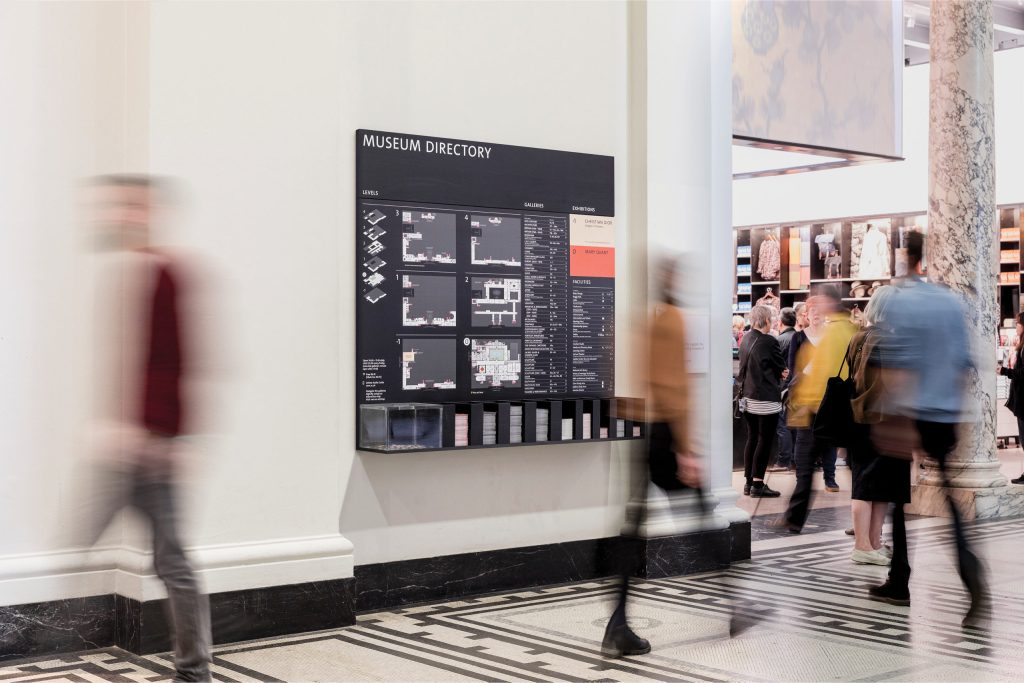
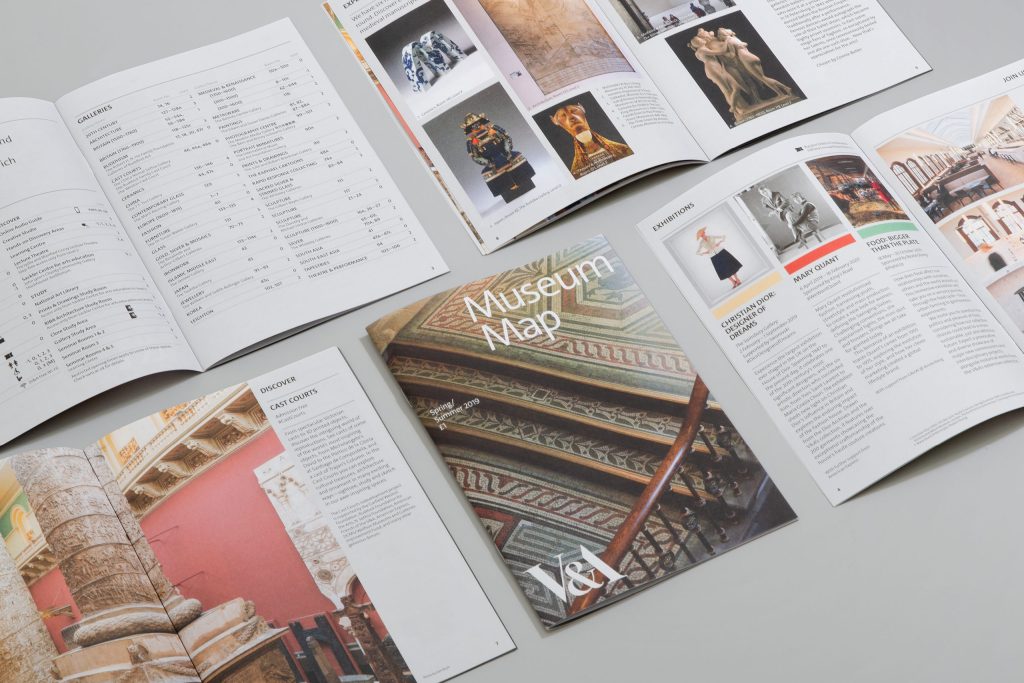
V&A encourages visitors to get lost:



Types of wayfinding:
There are four main categories:
Identification signs – point out specific landmarks or structures. They can be post signs using text and images, such as restrooms, breakrooms, conference rooms etc.
Directional signs – keep people moving forward to their destination. These are post signs to navigate to receptions, offices, loading docs, elevators etc.
Informational signs – useful information when someone is on their way to their destination. These can be parking spot reservation signs, cautions, free wi-f etc.
Regulatory signs – informing users of regulations and requirements. Health and safety equipment, smoking signs, off-limit areas, speed limits for workers etc.
 jesswhatley.design.blog