
Workshop Challenge
Chosen brief from Week 10 – Ingrid’s second hand textiles/clothing concept
The brief

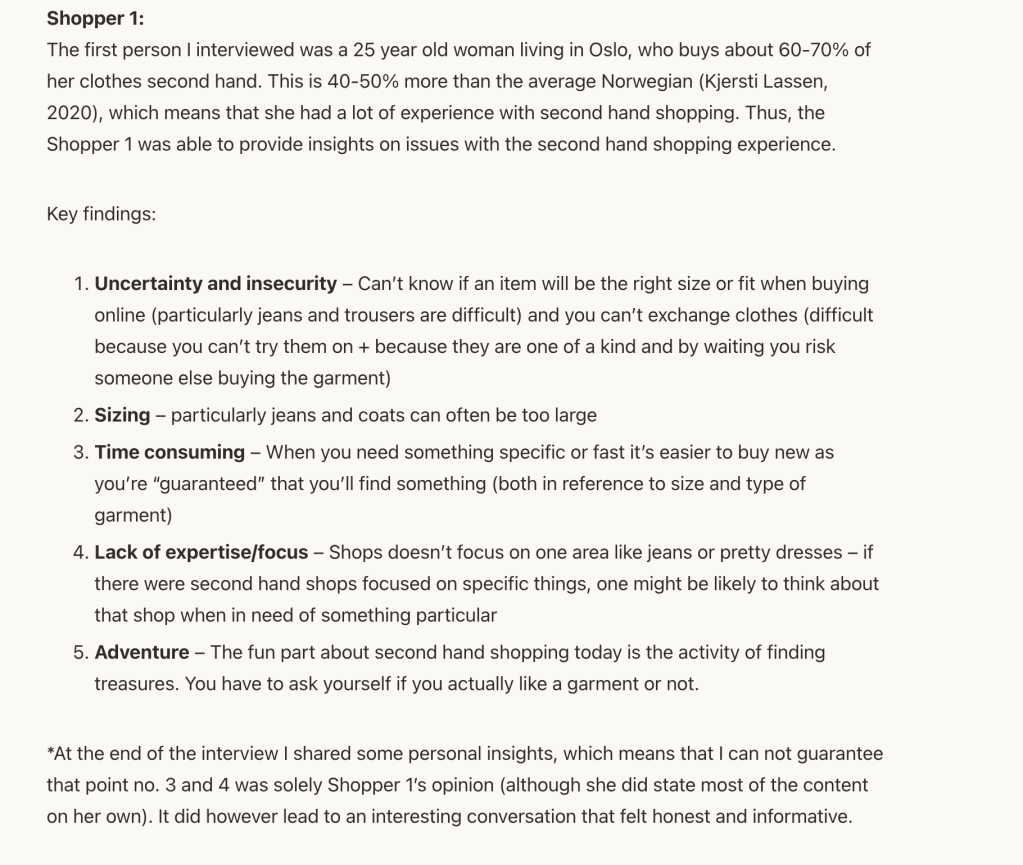
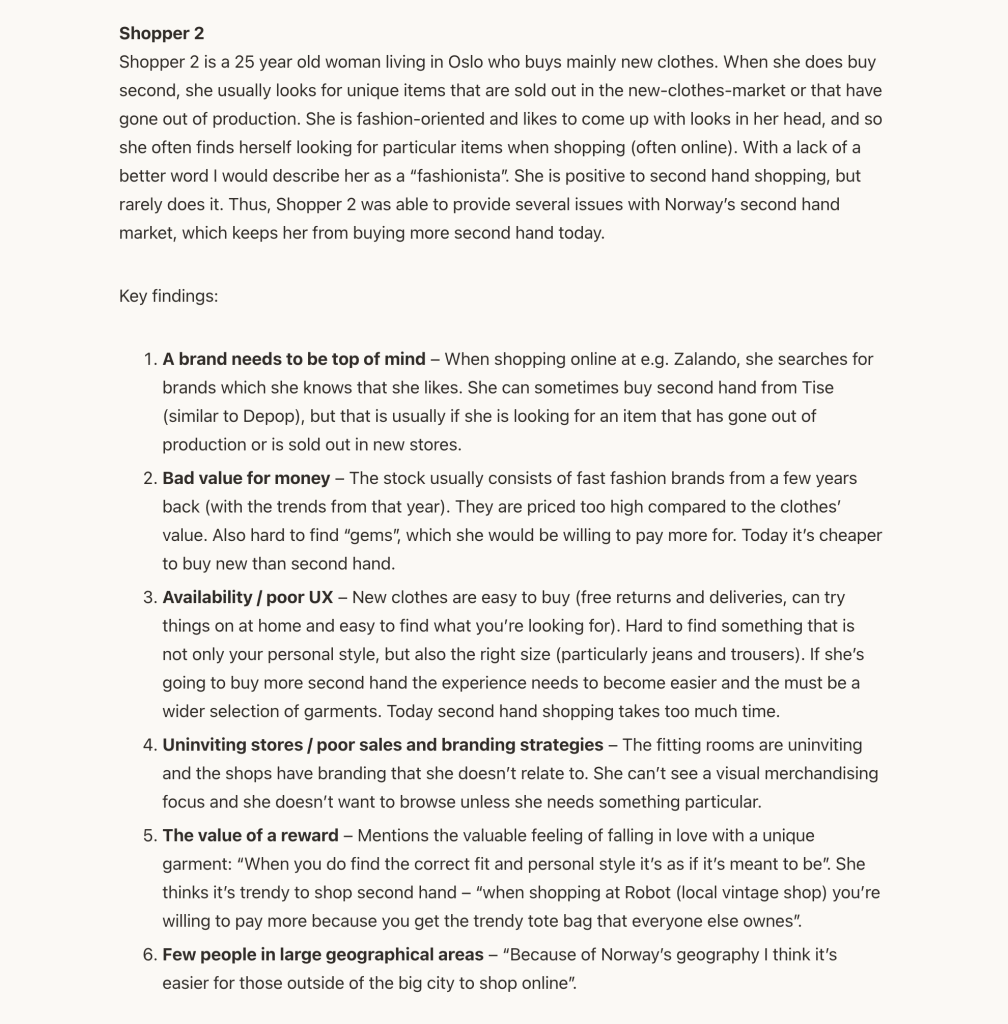
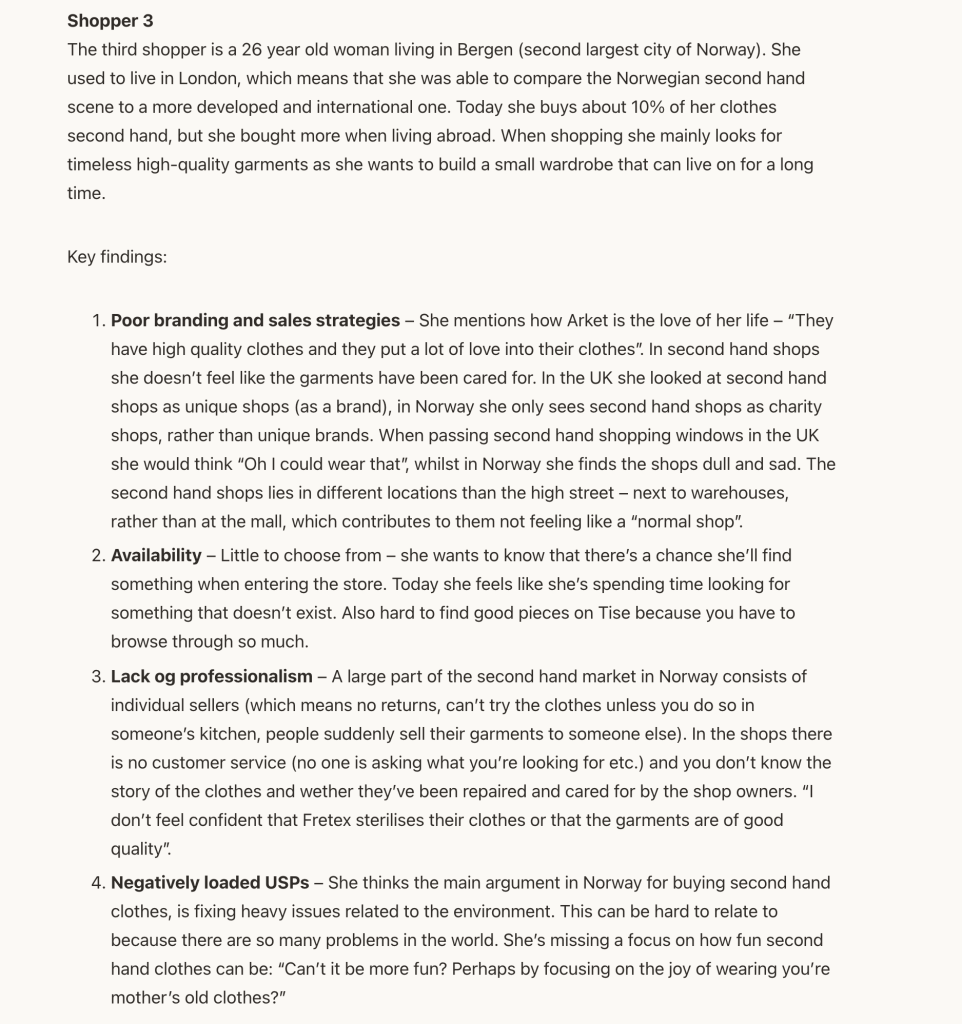
“Today, Norwegian consumers face a high risk when shopping second hand clothes online. A large part of the market consists of individuals, rather th an businesses, which means that there is a lack of professionalism and customer service. Consumers find it time consuming to look for suitable garments, and the lack of decent return policies are stopping young people from taking the chance on one-of-a-kind garments (which are likely to be gone by the time they go shopping again). In the abundance of clothes, customers are struggling to find pieces which suits their personal style, size and fit preferences, which also leads to them reporting on the selection being too narrow. Some of the interviewees feel like they’re wasting their time, as they don’t believe they’ll be able to find relevant garments.
Norway’s largest second hand organisation, Fretex, is owned by the Salvation Army and there seems to be a lack of trust from consumers in their expertise and care for the garments. Fretex’s branding focuses on providing cheap clothes for those in need, yet consumers seem to think that Fretex offers little value for money. The shoppers from my interviews find Norway’s second hand shops uninviting, which might be due to lack of branding and sales strategies. Rather than being seen as individual brands, second hand shops are mainly seen as charity shops, rather than just shops. This contributes to failure (or lack of communication) in shops’ expertise, focus, style and customer service.”



My response to the brief
First of all this is a project that is close to my interests and passions about greenwashing and the environment. The textile industry is a huge contributor to pollution and misinformation regarding sustainable textiles/garments. I have identified the key areas to explore with my response to the proposal:
- The issue is to promote second hand textiles and garments only, and remove the stigma that second hand clothing is ‘dirty’ or ‘scruffy’. Absolutely not the case as garments/textiles are always cleaned and stored correctly… I could propose the idea that second hand is more likely to be cleaner than buying from a retailer where clothing is stored in boxes, in warehouses and even returned after being tried on by someone else.
- Branding is a huge novelty factor and needs to be considered.
- The audience are Norwegians.
- The buyer experience is very different when shopping second hand, as opposed to purchasing fashion directly from retailers brand new.
– What is different? i.e. second hand stores vs. retail shops, online second hand stores vs. online retailers
– What are the negatives from shopping second hand?
– What are the benefits from shopping second hand?
– How can this experience be altered?
– Where would buyers be shopping currently from second hand? - Misinformation is a huge problem, whether that being size guides or photos of the textiles/garments on websites. There needs to be access to changing rooms in second hand stores, and a warranty needs to be in place as you would have this with brand new garments. I do need to recognise the fact that these second hand items aren’t brand new, but the consumer is entitled to rights when purchasing second hand. This could eliminate any suspicions around garments being poor quality when the consumer feels secure in their purchase, knowing they could exchange should textiles/garments show signs of wear or damage.
For me, the key areas are:
- The benefits of shopping second hand to help reduce environmental impact.
- The customer wants to feel secure and have the opportunity to return or exchange their goods as they would with a regular retailer.
Research into other practice
IDEO
Driving Growth at Europe’s Largest Online Fashion Retailer
- “Zalando went from seeing itself as a retailer that simply sold and distributed clothes out of a warehouse, to a platform. A destination for people seeking to express their identity through fashion.”
- “Why do we exist beyond making money?” communicate this message to the consumer
- Leaders were required for the challenge brief, do I step in or not, do I need to sit back and let my team collaborate?
- “If you are not embarrassed by your first prototype, you are not pushing the design hard enough”
- Fear comes with organisational change, but being part of the process itself enabled a sense of control
- “When shopping for clothes, sometimes you’re looking to be inspired, and sometimes you want to be the inspiration. For Zalando, getting closer to their customers’ desires pain point and expectations became a baseline for business decisions and they set out to design the right services and experience.”
- An online shop, which ended up thinking more about the platform and customer modes i.e. hunter, browser, collector, stylist or influencer as this was the audience.
- Zalando learned that regularly prototyping and testing ideas with their customer allowed them to discover what worked and what didn’t work quickly, therefore keeping the brand on track and relevant to its consumer base.
- Improve the customer experience, restructuring and inspiring the rest of the organisation to see themselves as part of the business. 16,000 employees means it becomes a cultural change!
- An engineer or a marketer can relate to the business change in an effective language.
- Zalando needed to better understand how to lead their teams, how to inspire their team, and support them?
- Being optimistic is a huge value within a business, everybody can and wants to contribute to the business overall.
- Reorganising into multidisciplinary teams.
- KPI’s within the company and NPI’s and driving revenue growth keeps track of results.
Listening to the Zalando videos has given me a great insight into how to go about revamping a retail brand; consider each step along the way and don’t be afraid to try out new ideas. This will be especially handy when creating my response to Ingrid’s brief, such as categorising the audience into their relevant status (the kind of shopper they are, hunter/browser/collector etc).
Netflix
Minimalism
Documentary titled “Minimalism” – the first 7 minutes I found really insightful as it explained how the consumerism industry is presented to us in everything we do now in the 21st century. It also spoke about how purchasing one thing is never enough, we always seem to thrive for more. More clothes, more beauty products, more cars etc. An interesting quote was “I was spending money faster than I was earning it, attempting to buy my way to happiness. I was living pay check to pay check, living for a pay check, living for stuff. But I wasn’t living at all.”
I feel I could use this as a source of research because shopping second hand minimises the impact of consumerism – buying items that are pre-loved, that have been worn by someone but are in perfectly good condition means that they’re being recycled when the owner decides to buy something else in its place, and not thrown away.
D&AD awards shortlist 2021
Beko
I wanted to find a modern, fresh and beautiful campaign surrounding the environment to give me inspiration for my response for the second-hand textiles/garments proposal. The beauty of this video is the comparison of the human body to nature – hair flowing like grass, the circular variety of coloured eyes linking with coloured flowers, our nerve systems linking with leaf veins and tree branches, the hand linking with tree roots. It’s such a beautiful video!
Interestingly, Beko are a home appliance company. This video doesn’t show one product; it doesn’t need to. The trick to a successful advertisement is for it to be memorable and therefore remember the brand. It captures the great feeling the company products will give you. There is an irony, however that the advert is essentially greenwashing as it talks about humans being at one with nature and sustainability… Yet their appliances are probably quite damaging to the environment with their carbon footprint, electricity use and afterlife. I am curious so looked at their sustainability pledge on their website. Beko claim to be using recycled plastics, reducing water pollution, protecting marine life, and using energy efficient appliances. The company are potentially trying to erase that stigma of electrical appliances being harmful to the environment in a society which is now becoming very eco friendly aware.
It’s also worth noting that this was shortlisted as 2021 D&AD awards in the ‘visual effects / new realities and emerging media’ categories, with over 79 million views on YouTube alone with many positive comments. Most noticeably, comments were from people saying they have searched for the video after seeing it advertised. It has stuck with them and I think that is how to identify true branding success. Why is it so successful? The video is simple and speaks directly to the viewer. It shows the viewer how important nature is to us and how alike we are in comparison – therefore why are we destroying it? It’s eye-opening.
I really want to tune in to the environmental aspect for this prototype and I thought a good starting point would be a mood board for all of my inspiration. I’m hoping by doing this, it will narrow down by scheme for branding (colours, images etc.) and focus on targeting my audience.
Sustainable fashion
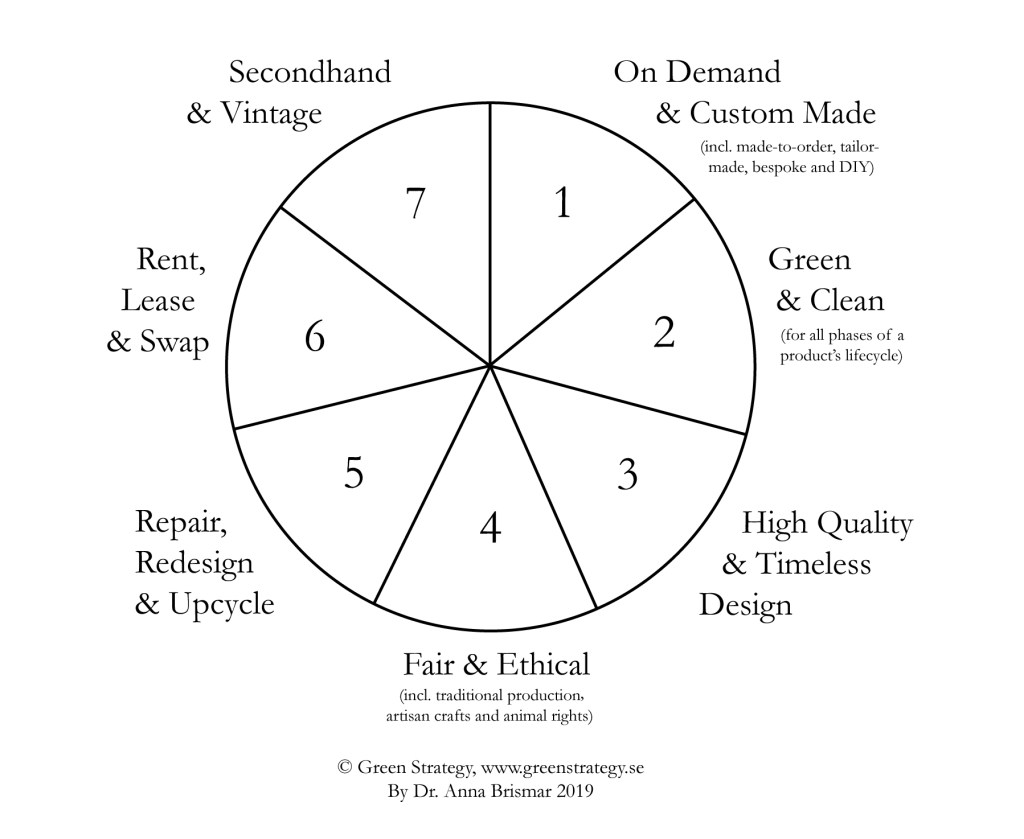
“In a nutshell: sustainable and ethical fashion is an approach towards sourcing, manufacturing and designing clothes which maximizes the benefits to the fashion industry and society at large, while at the same time minimizing its impact on the environment. The two concepts overlap in ideology, but they each have slightly different concerns, both equally critical to the future of fashion.” – Source
Moodboard 1 – material scraps
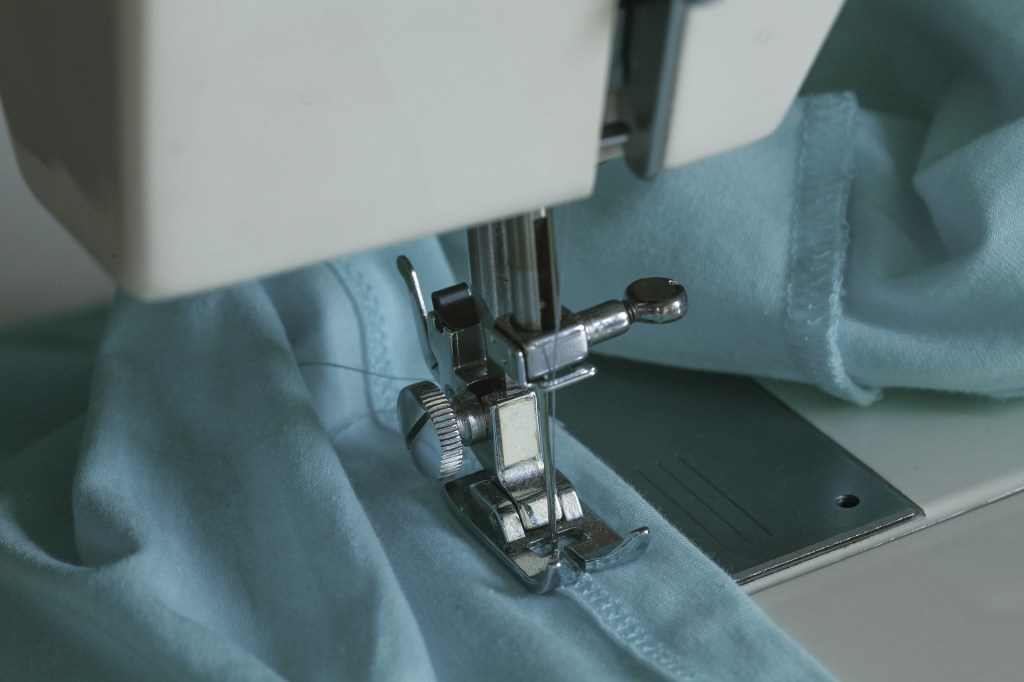
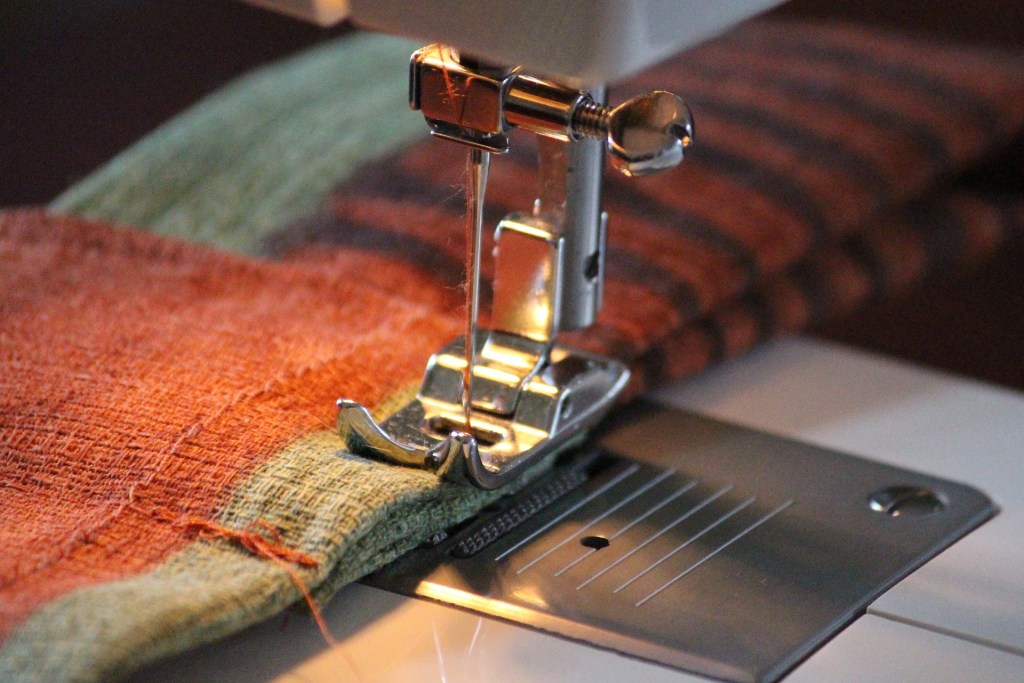
I love the idea of having a ‘workshop’ in store where people could be encouraged to create their own textiles or garments, or even jazz up a piece of clothing they own. This would appeal to the crafting community, families and fashionistas. It would be a fun take of the classic ‘retail’ shop and actually be for a good cause too. I want to gather lots of images of raw materials and scraps to build my identity for Ingrid’s project brief:
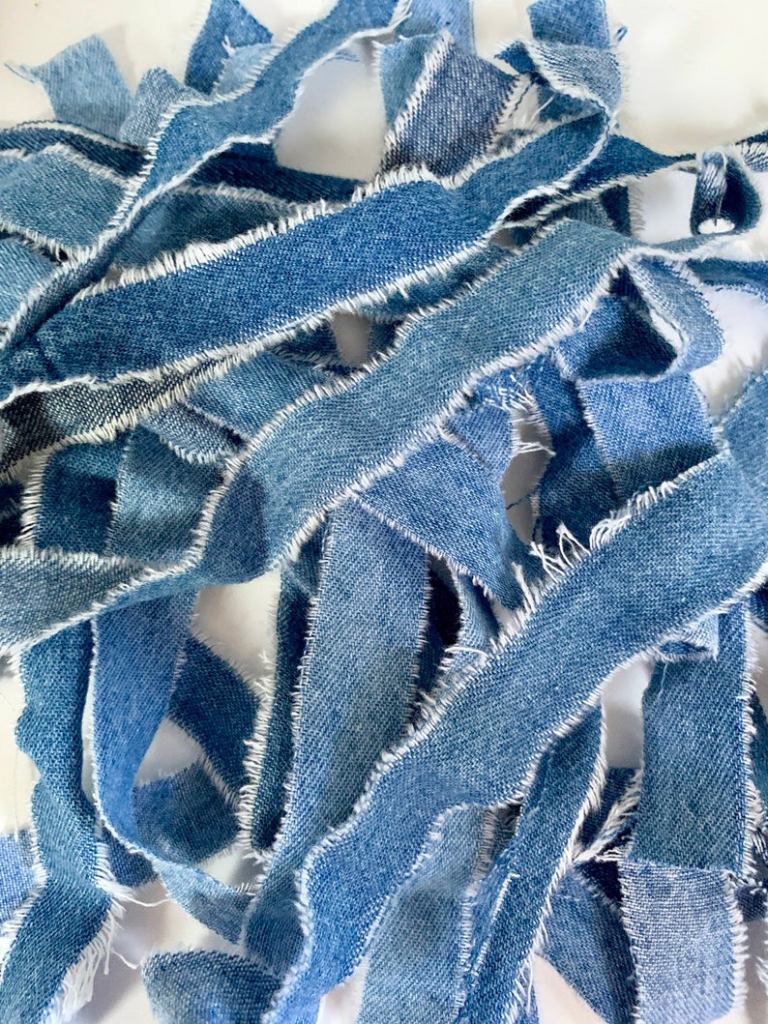
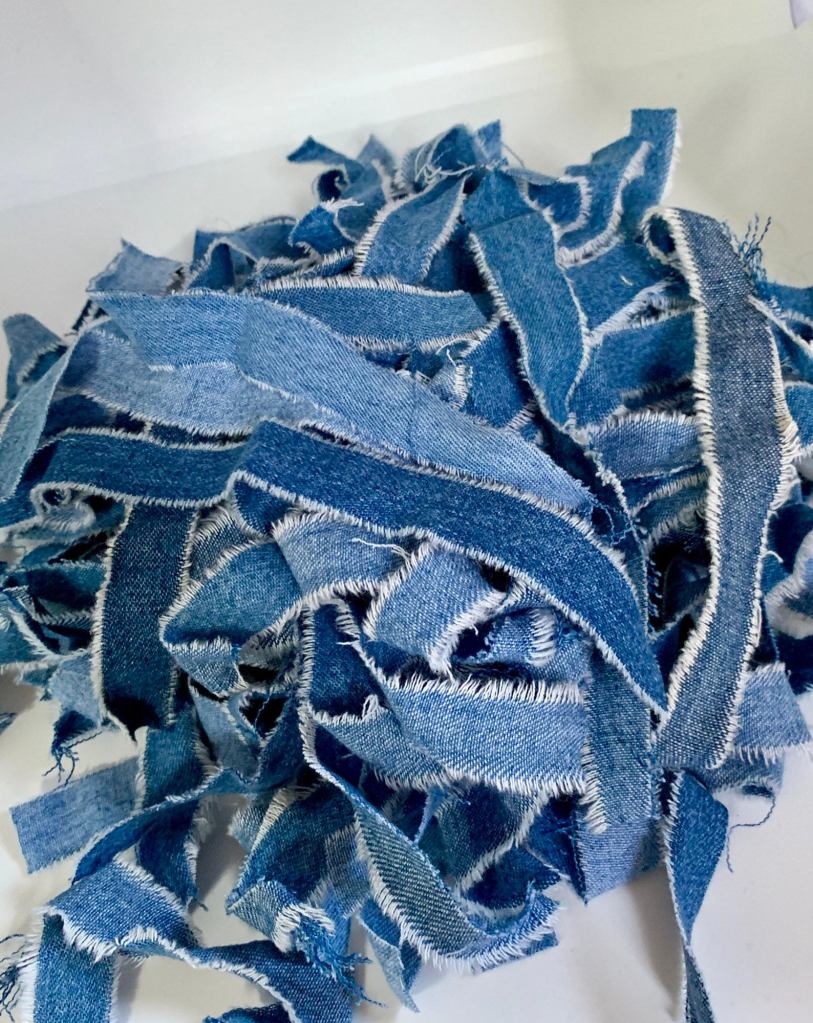
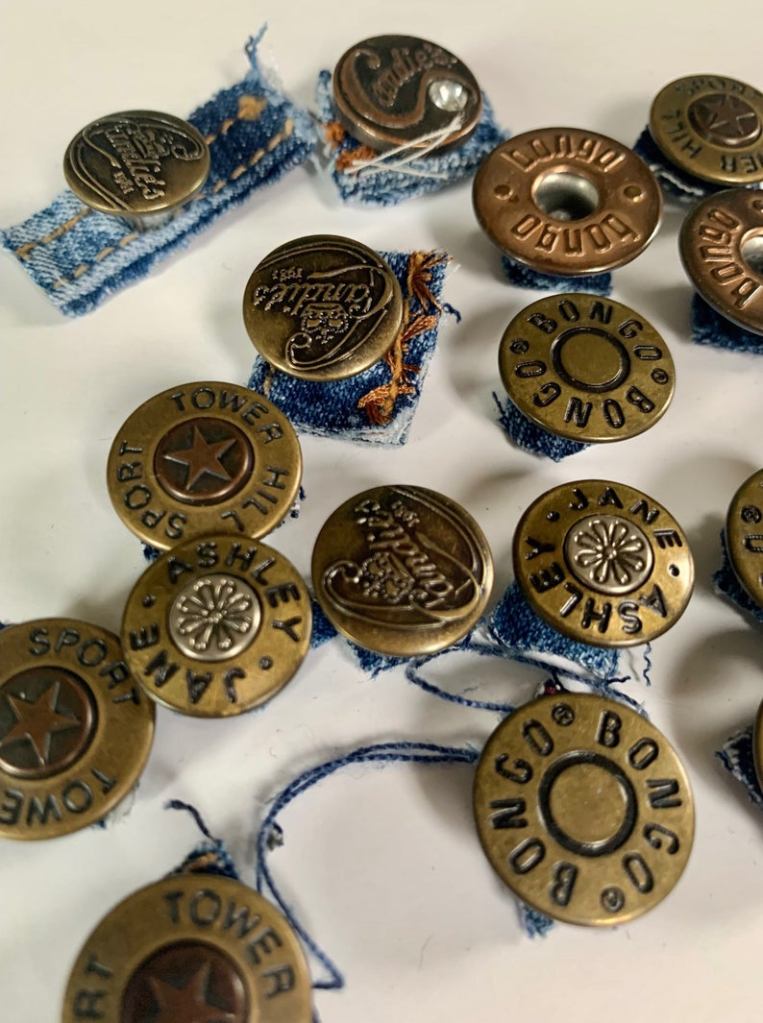
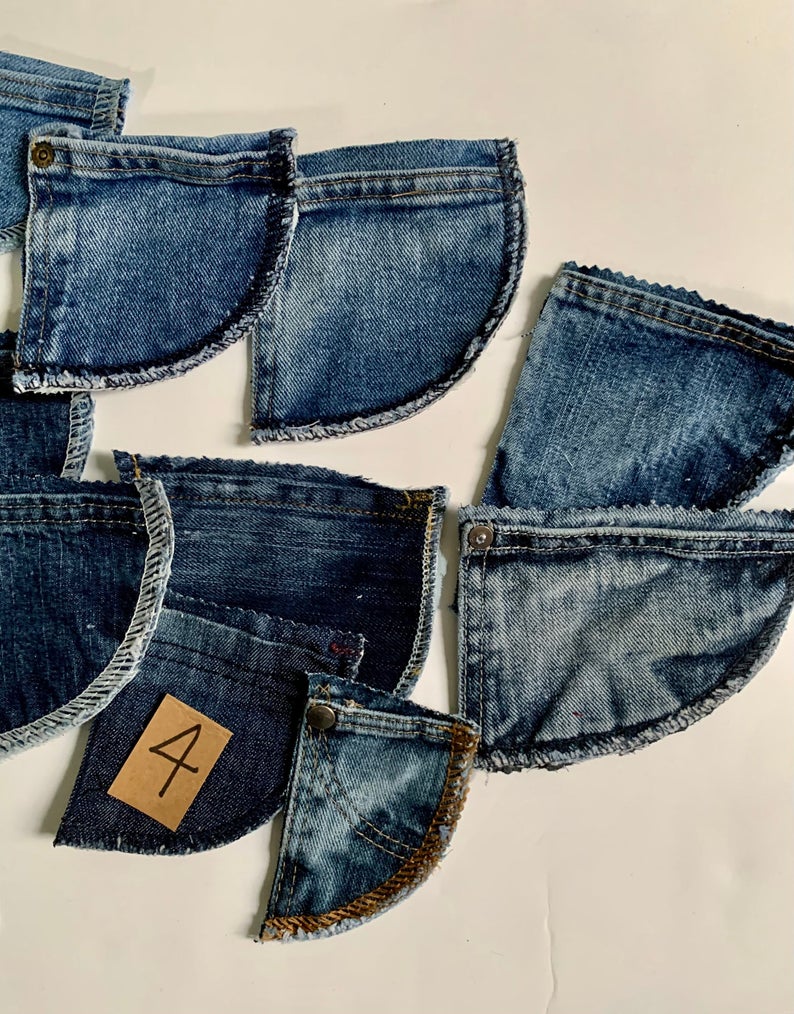
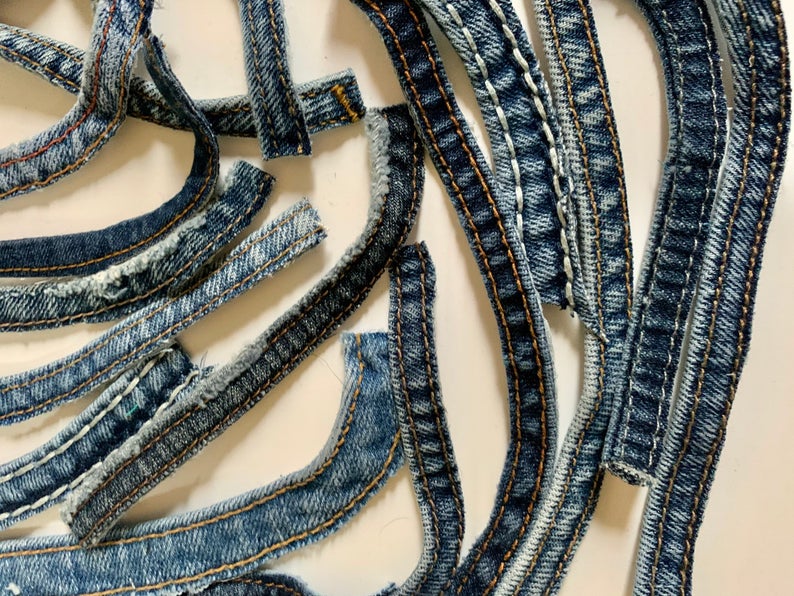
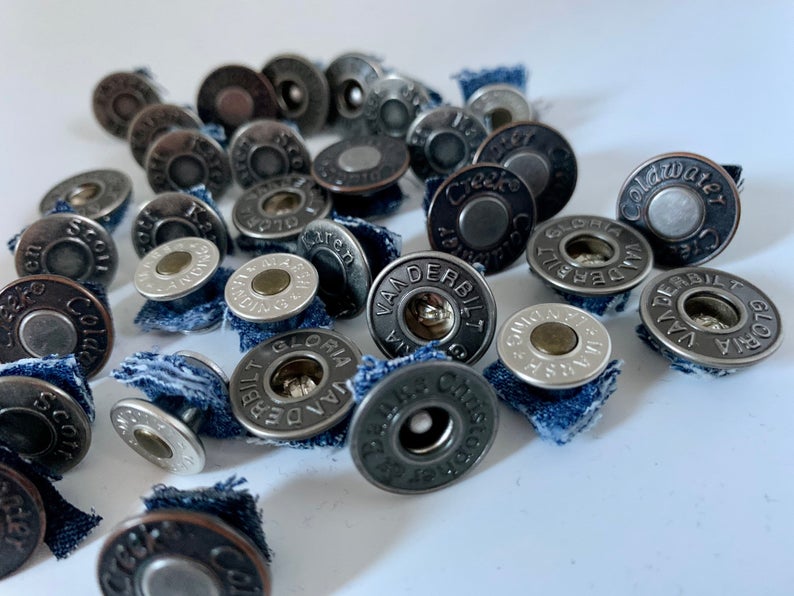
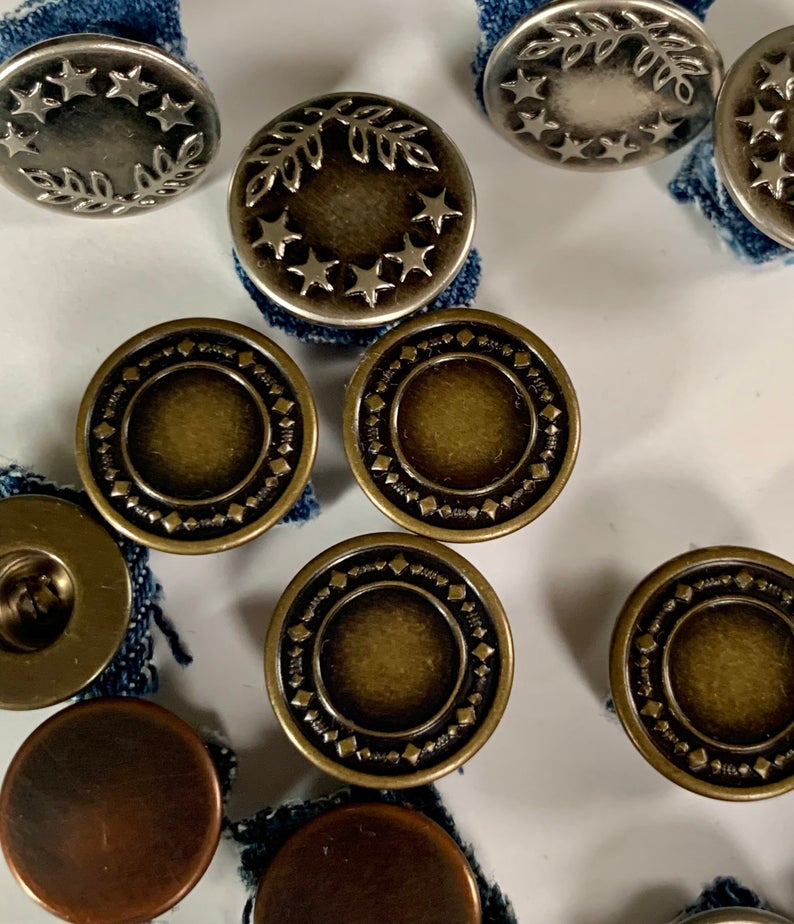
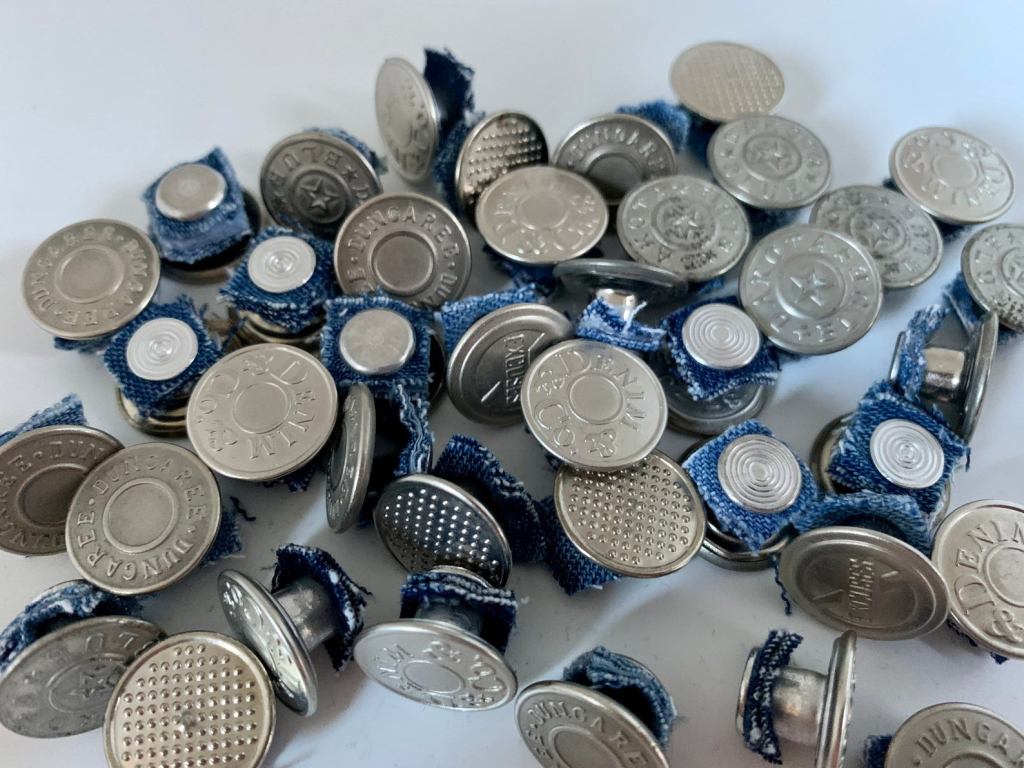
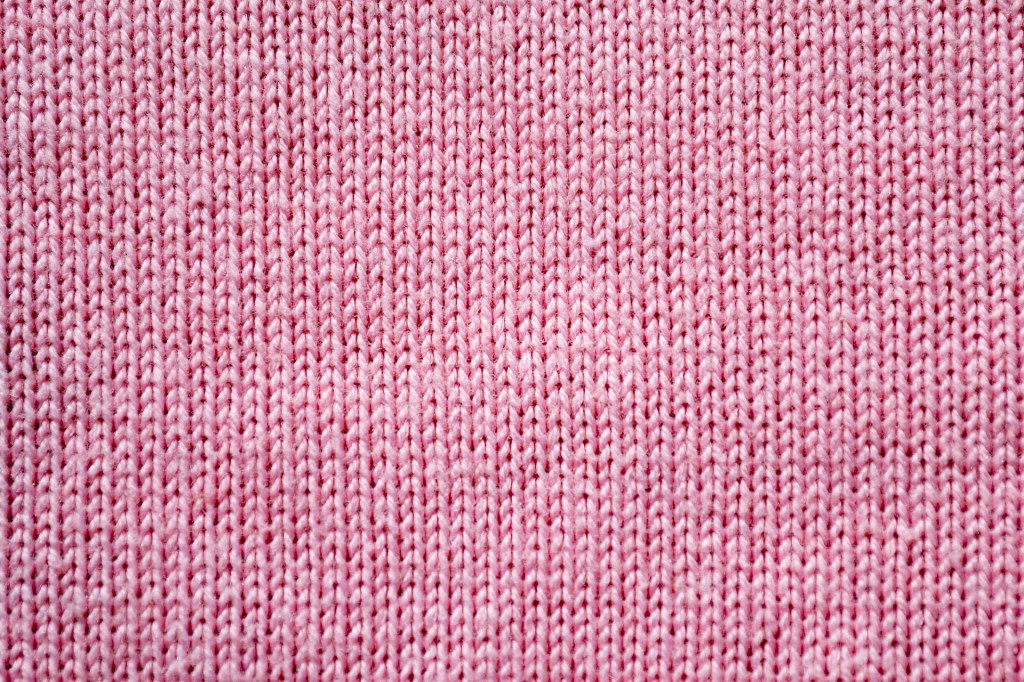
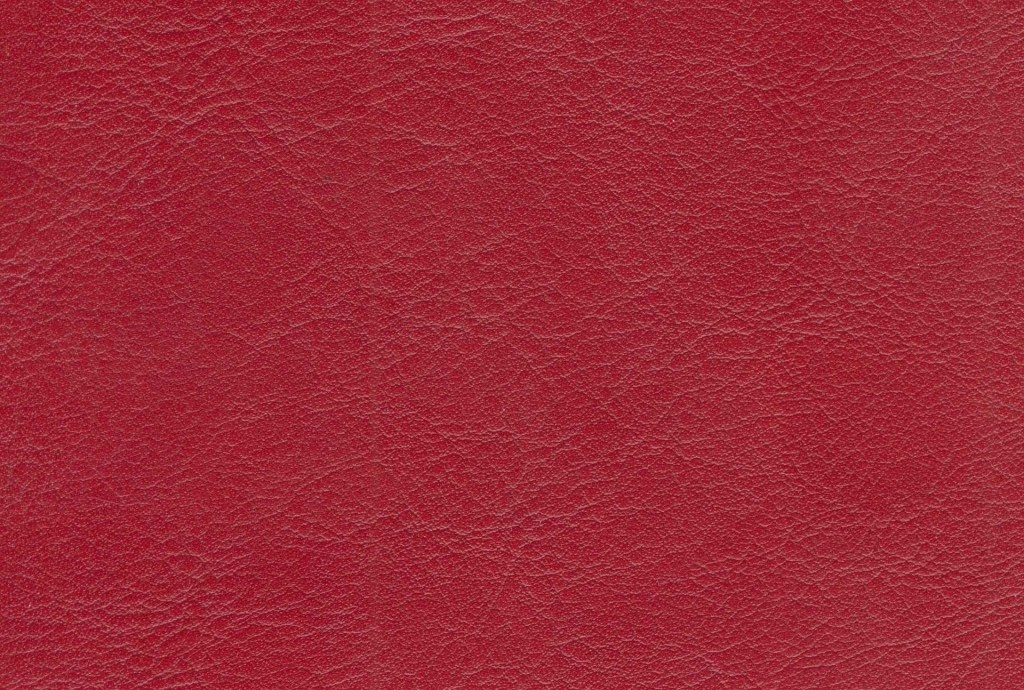
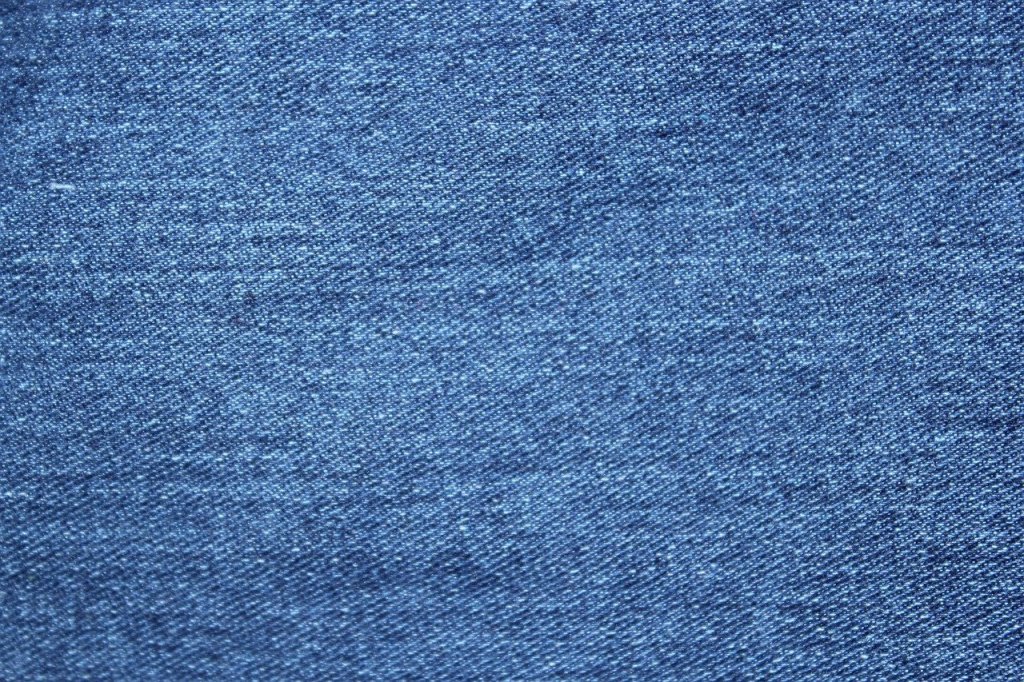
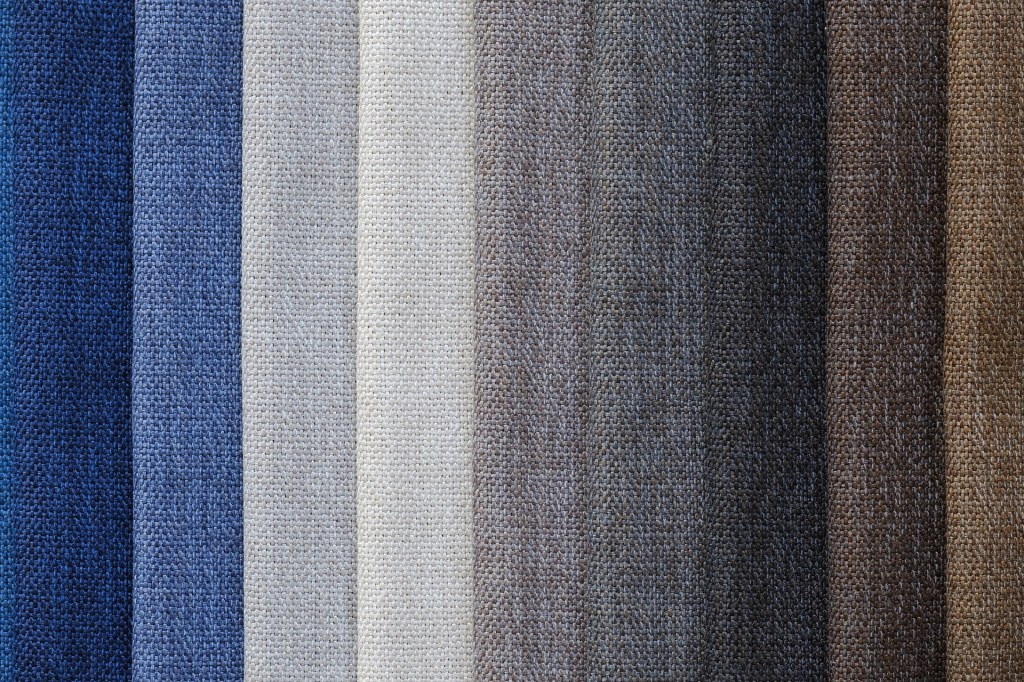
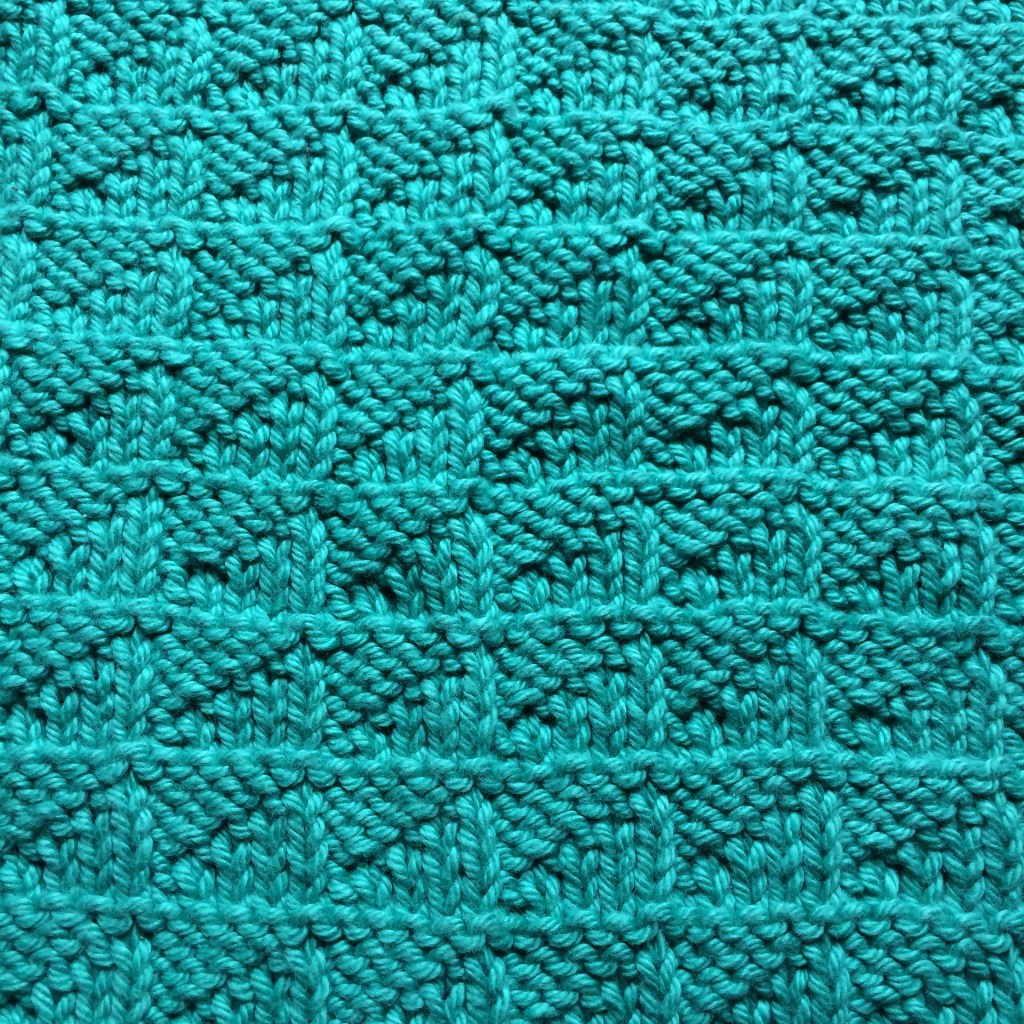
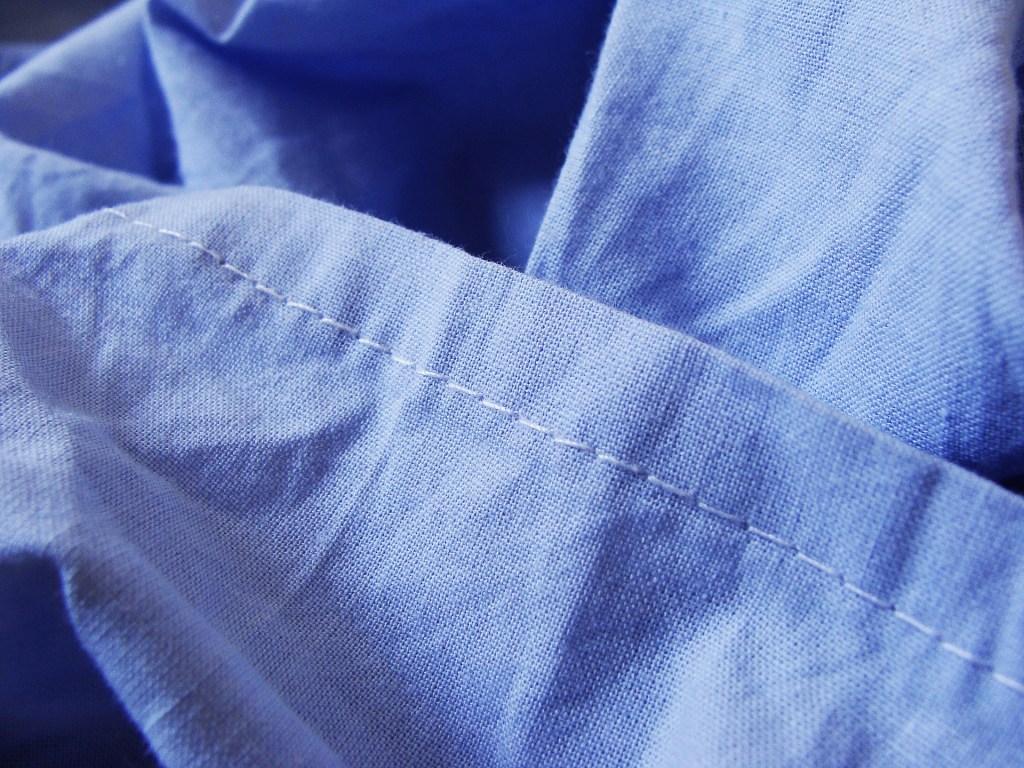
Moodboard 2 – fabric textures

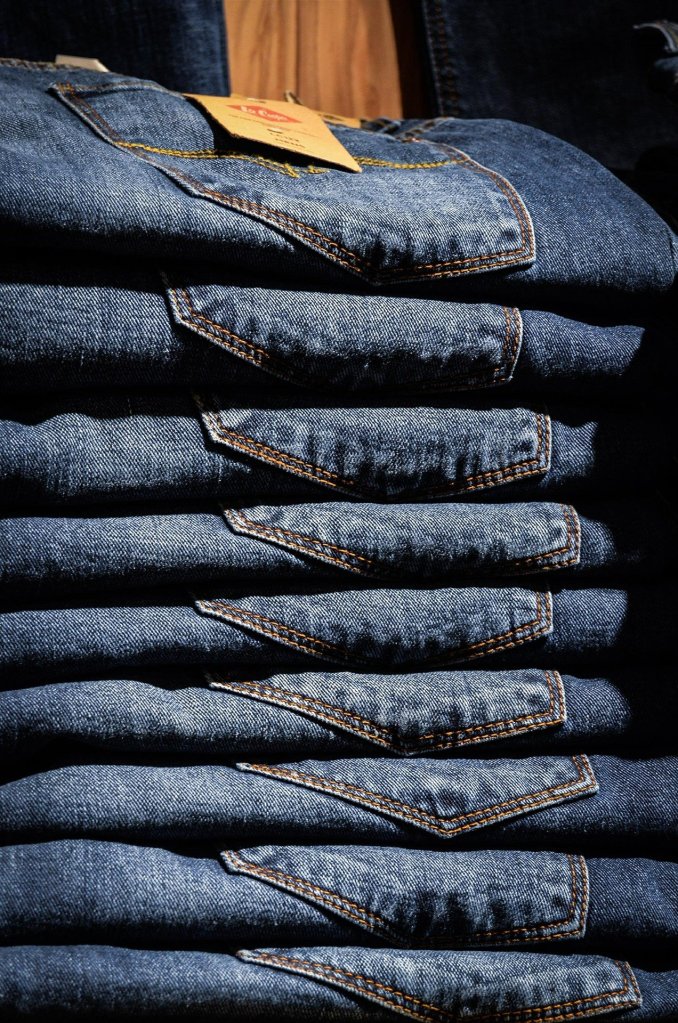
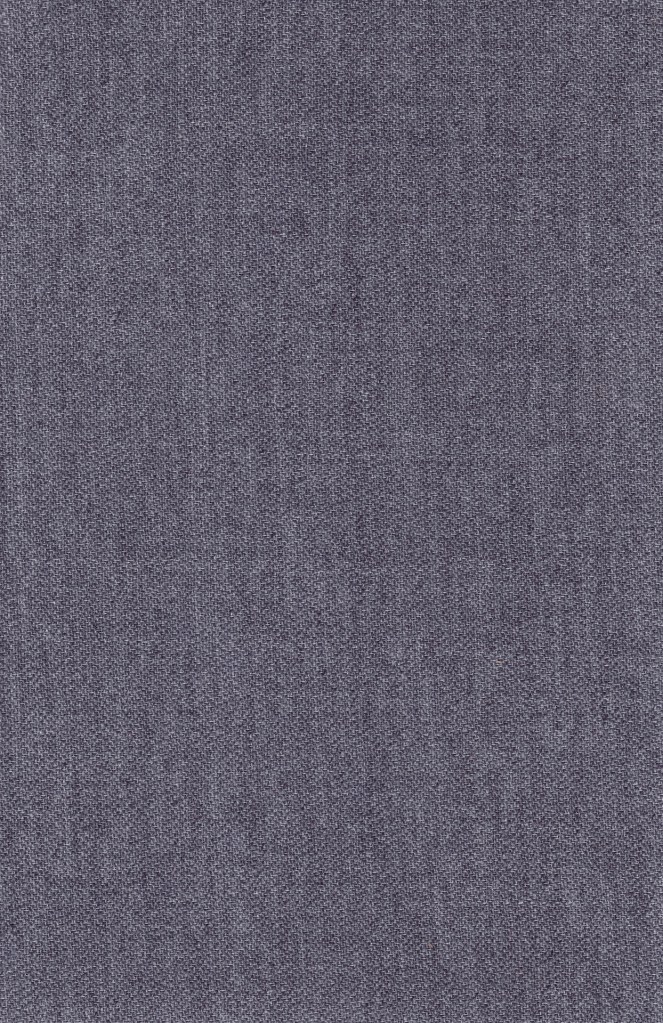
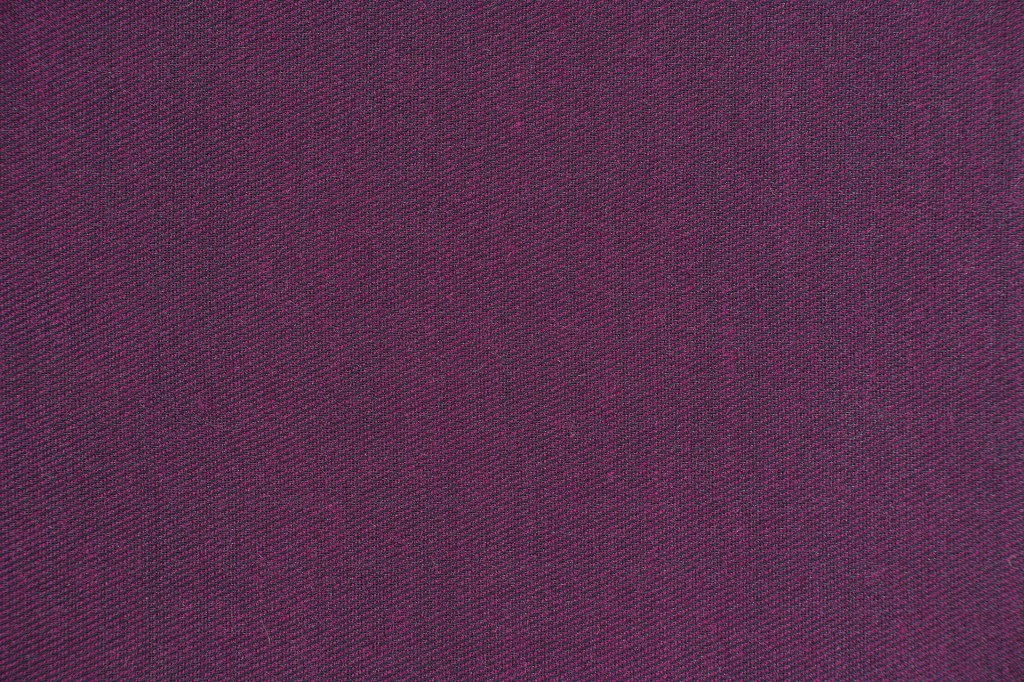
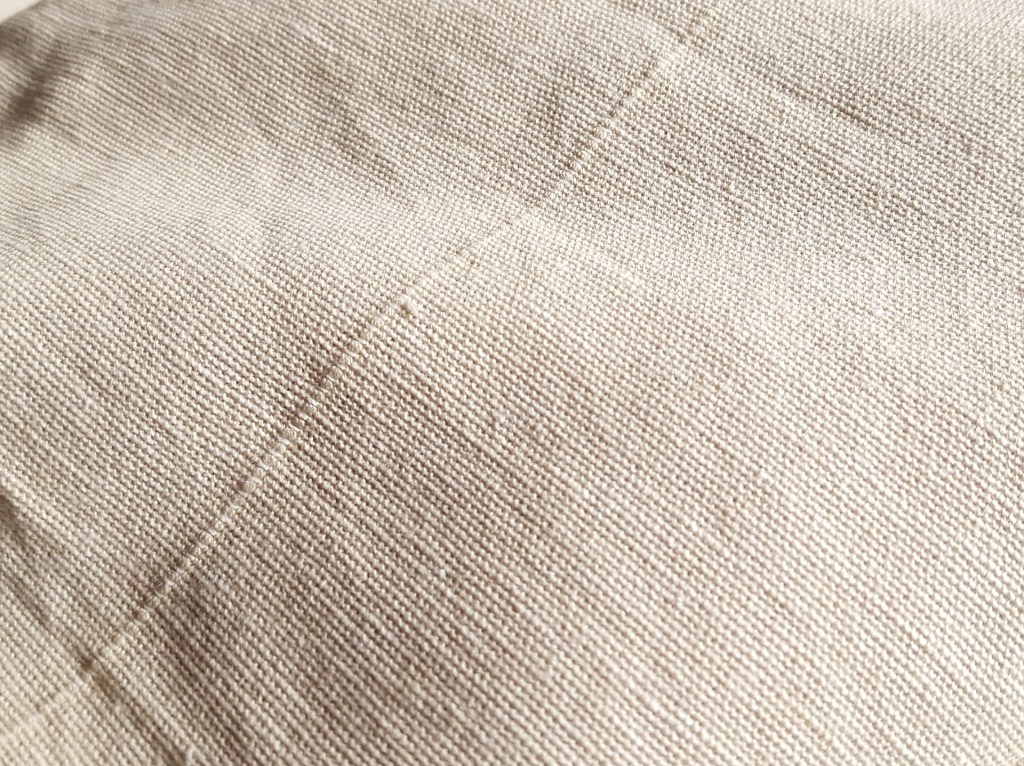
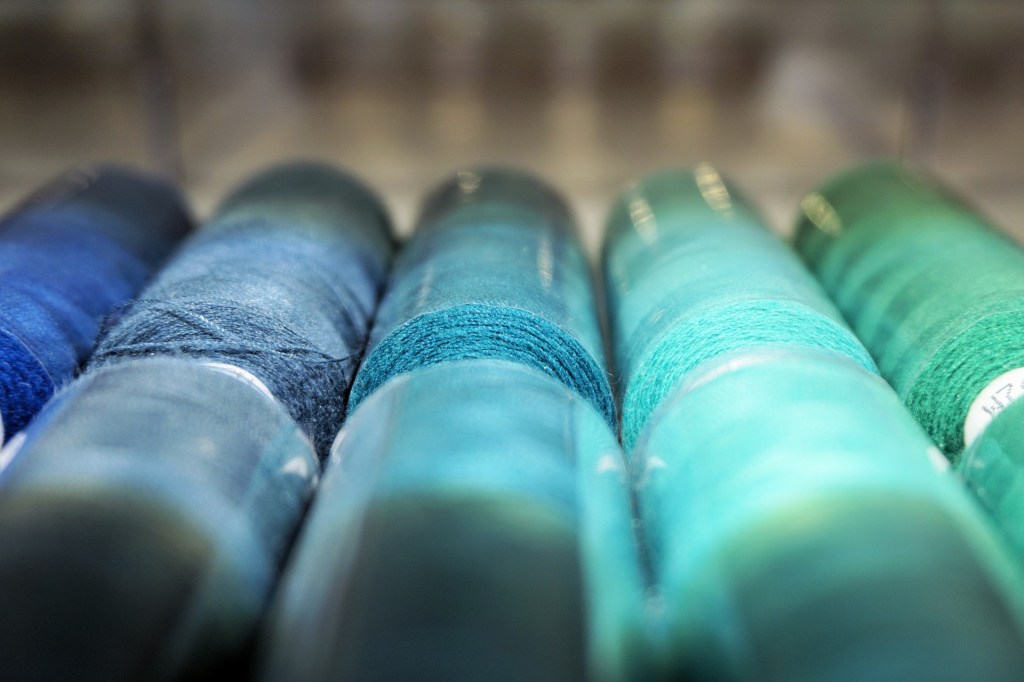
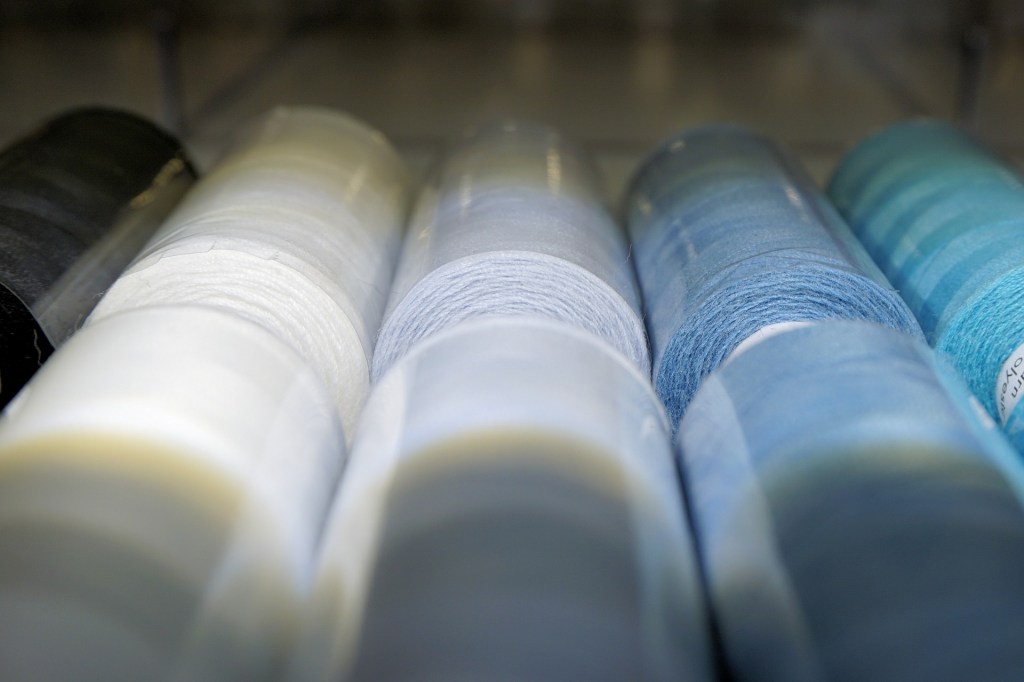
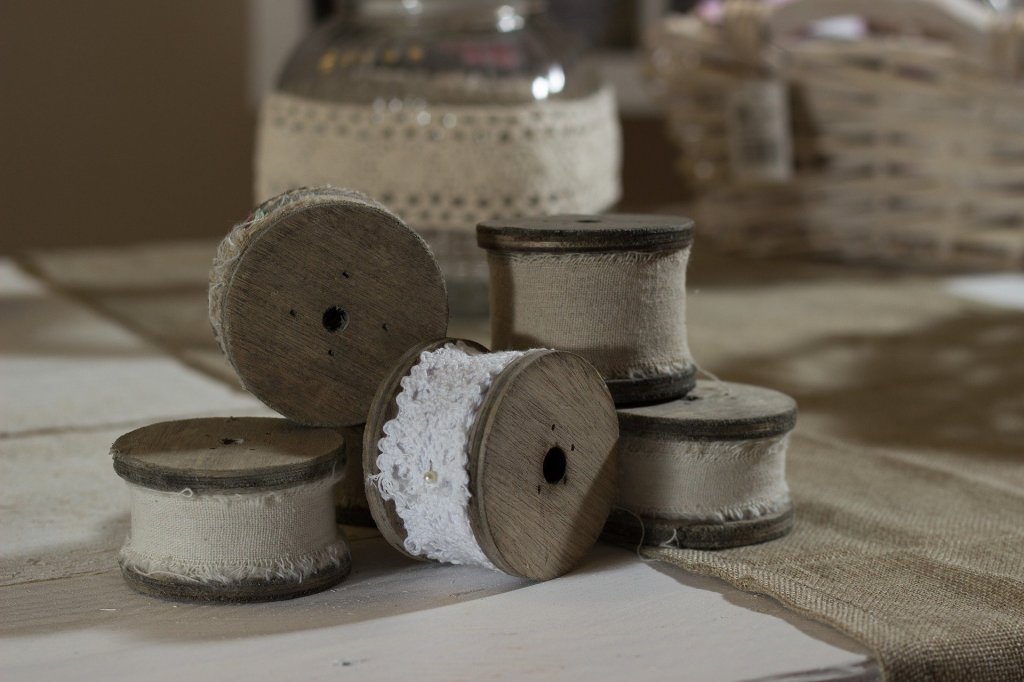
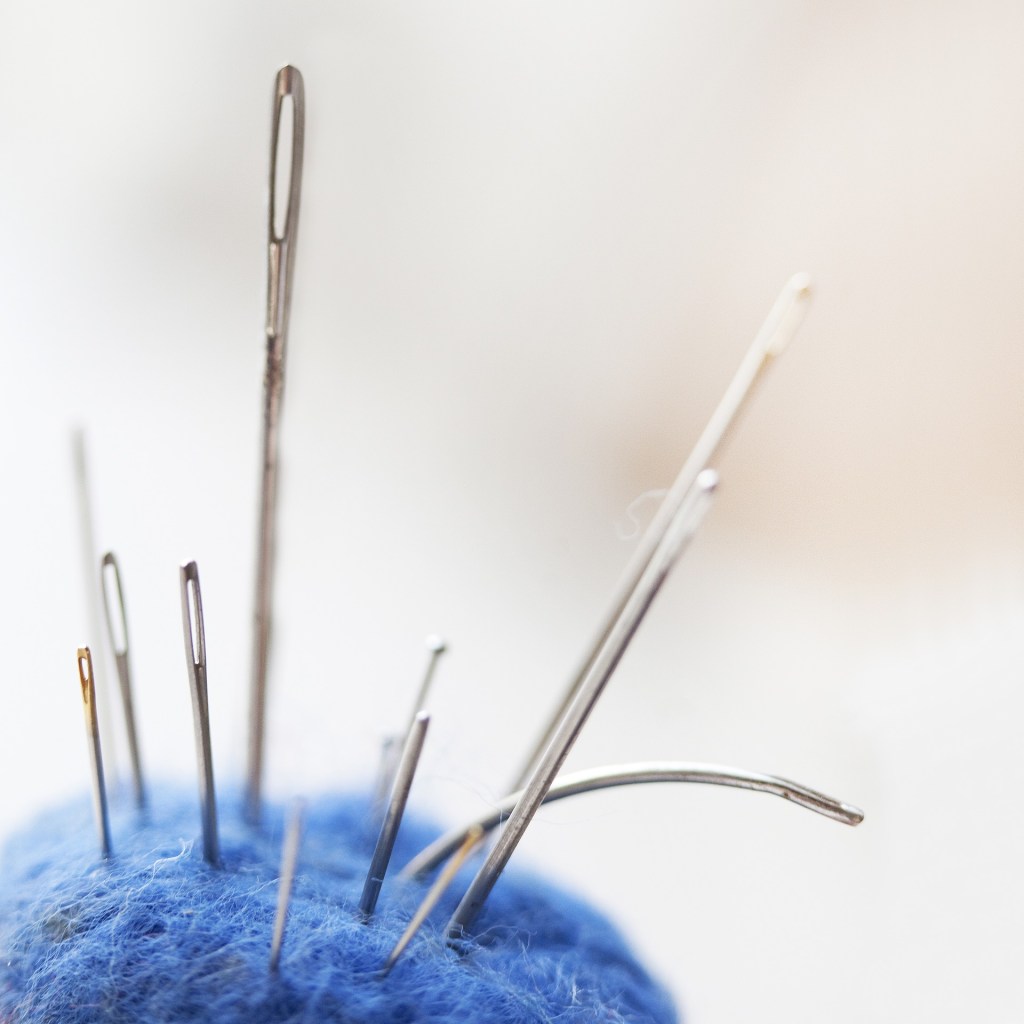
Moodboard 3 – textiles apparatus

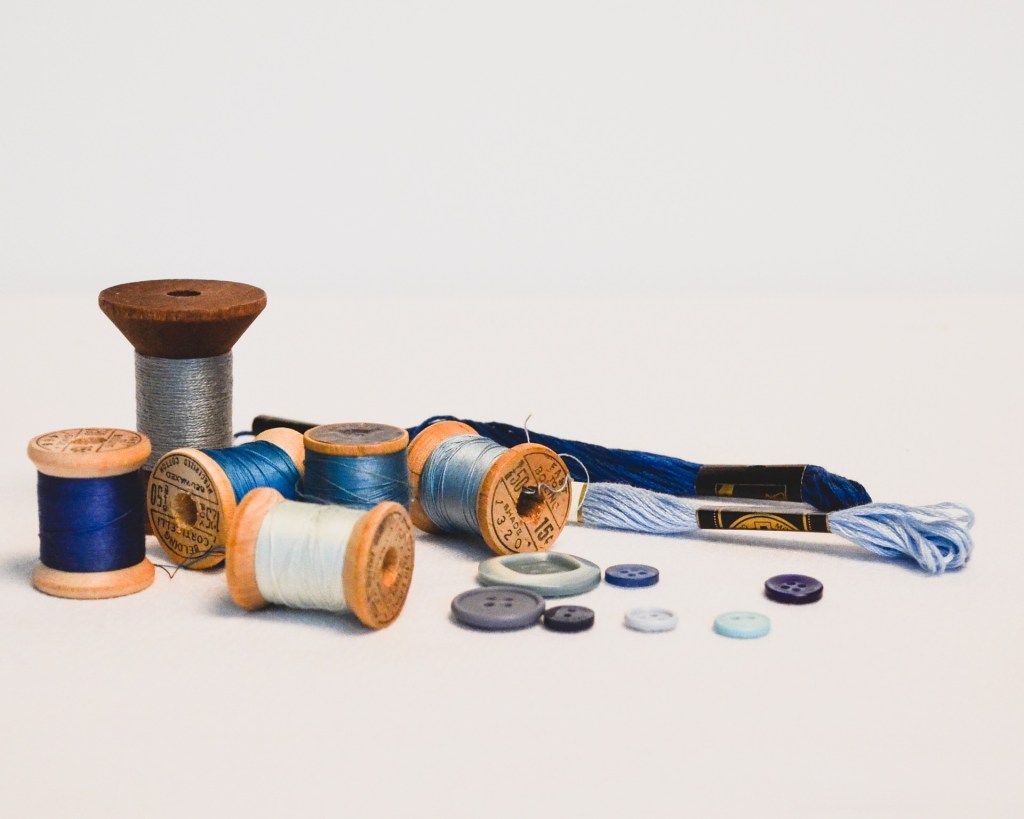
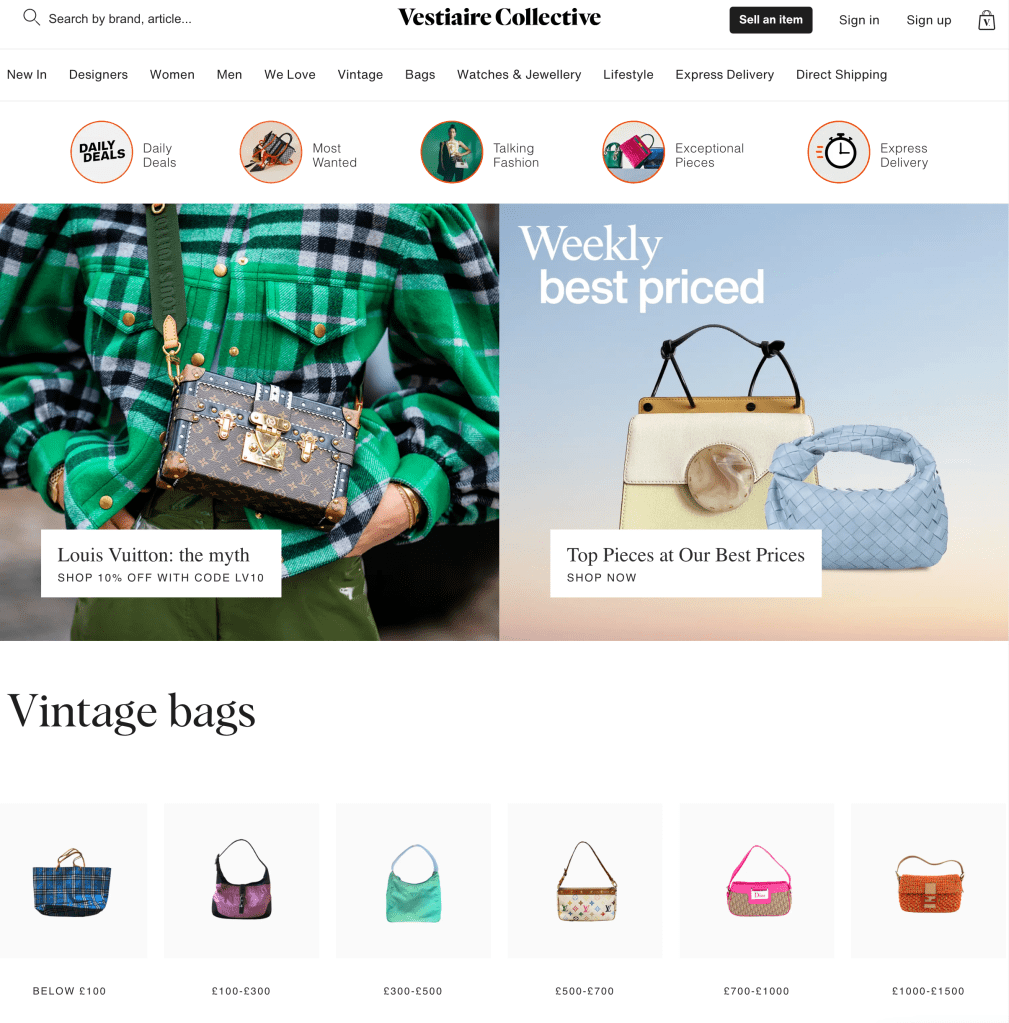
Moodboard 4 – competitors (global)
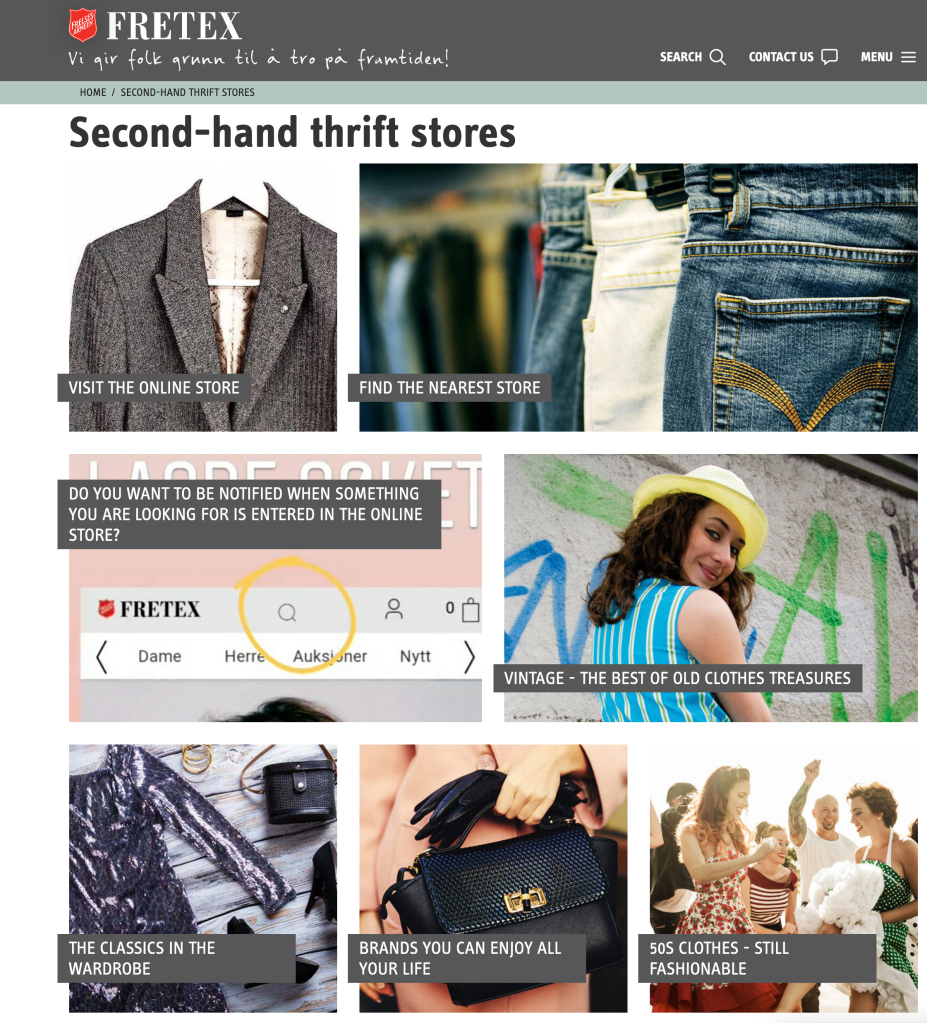
This is the company that Ingrid has spoken about in her blog that currently exists in Norway:
“Fretex’s branding focuses on providing cheap clothes for those in need, yet consumers seem to think that Fretex offers little value for money. The shoppers from my interviews find Norway’s second hand shops uninviting, which might be due to lack of branding and sales strategies. Rather than being seen as individual brands, second hand shops are mainly seen as charity shops, rather than just shops. This contributes to failure (or lack of communication) in shops’ expertise, focus, style and customer service.”
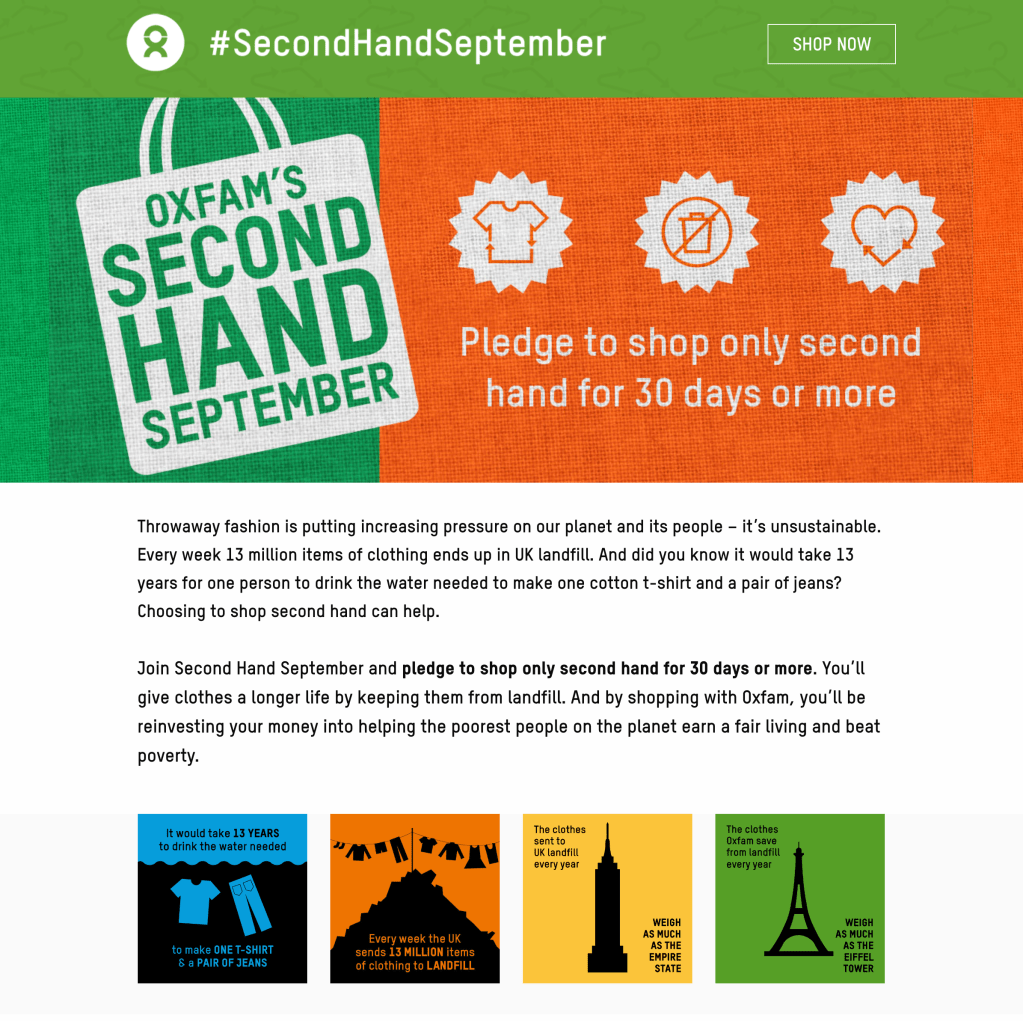
I can tell straight away by the look and feel of the website that information seems scattered and a bit random – there is no branding which welcomes shoppers. I can see why second hand thrift store customers wouldn’t feel invited to shop with Fretex. I am VERY surprised to find there is no mention of sustainability on their homepage! Surely they are missing a trick as this would encourage sales when people think they can contribute to protecting the environment. It’s really made me think about my branding and approach.

Sizing/returns policies
I want to find out more about second-hand goods
“If you purchase a second-hand item from a business, trader or charity shop, the consumer rights that you are entitled to are extremely similar to those you have when buying an item that’s brand new. Namely the goods should be:
- Fit for the purpose the item was sold for.
- Be of satisfactory quality.
- Be as described in any advert or marketing materials.
These rights in the UK are defined in the Consumer Rights Act and cover any purchase from a trader made since October 2015.
If you discover a fault with an item, this act gives you the right to return it for a full refund within the first 30 day of purchase. After the first 30 days (but within the first 6 months) you can still return the item, but you must give the retailer the opportunity to replace or repair the fault.
After 6 months, to return the item you must prove that the fault was present when it was first purchased, which can be more difficult if a product was second hand or pre-owned from the outset.
Second hand products may have imperfections and faults that are attributed to normal wear and tear. In some cases, there may be quality issues with a product due to its age and how it has been previously used.
When considering the laws on buying second hand goods and your consumer rights, it’s important to remember that second hand products or refurbished goods do not have to be of the same quality as new items. Therefore, you cannot simply reject an item because it is not of the same standard as you would expect if it was brand new.”
“If you purchase items from a private seller via a web advertisement, local newspaper ad or car boot sale it is important to be aware that you don’t have any consumer rights. For the Consumer Rights Act to apply you need to be an individual making a purchase from a business.
If you do buy a second-hand item from a private individual it only has to match any advertised description. This limited protection falls under The Misrepresentation Act for when an untrue fact or statement is made by the seller to convince a buyer to make a purchase.
A private seller isn’t under any obligation to tell you about any faults or defects, and there’s no requirement for the item to be of satisfactory quality or suitable for any specific purpose.
So, as you may have heard, purchasing from a private seller is a matter of ‘buyer beware’. You should check the product thoroughly to ensure you are 100% happy before buying it.
For example:
- Should you consider buying a used car privately, you ideally should have your own mechanic examine it and undertake checks on its history (HPI etc.) before purchasing, as you can’t return it if faults are found at a later date.
- If you privately purchase a caravan that turns out to have faults with it’s electrics, cooker and shower. It will not have been misrepresented to you unless the seller specifically said all these components were in full working order.”
Which? confirms the above but also states:
“Buyer beware if you’re buying from a private seller – they don’t have to draw attention to defects. When you buy from an individual (as opposed to a retailer), the Consumer Rights Act says that the goods you get must be as they were described to you by the seller.
There’s no obligation on the seller to disclose any faults, but misrepresenting goods isn’t allowed.
For example, something second-hand should not be described as new. If it is, the seller will be in breach of contract.”
I’ve taken some screenshots from a mobile view of some of popular brands return policy pages, to see how they are accessible and if there is a difference between each:
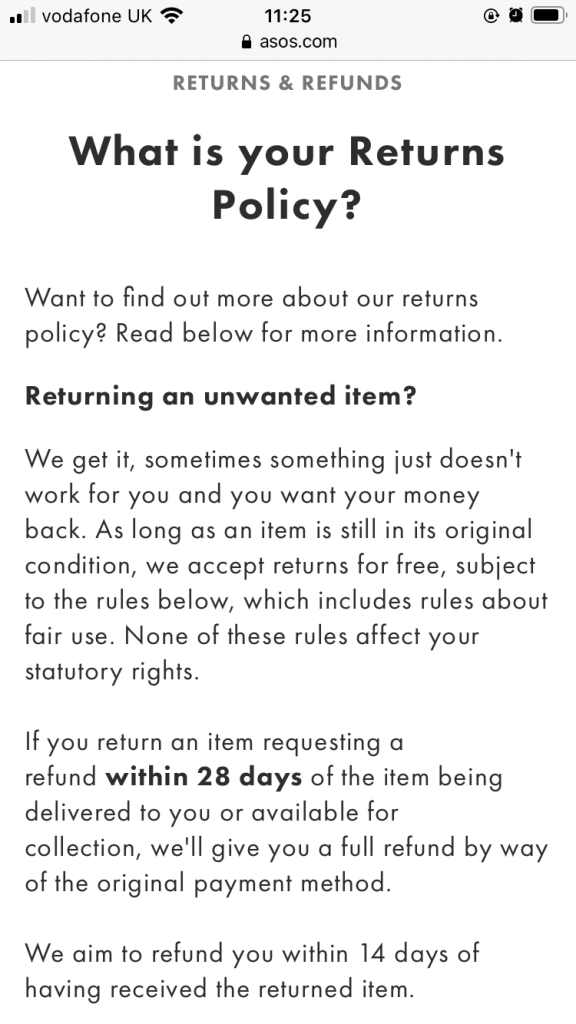
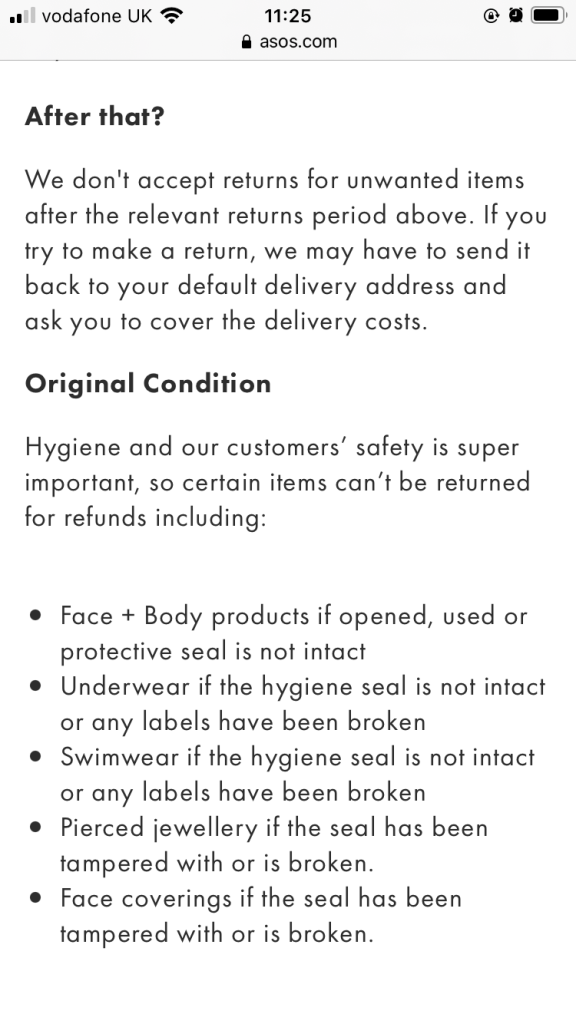
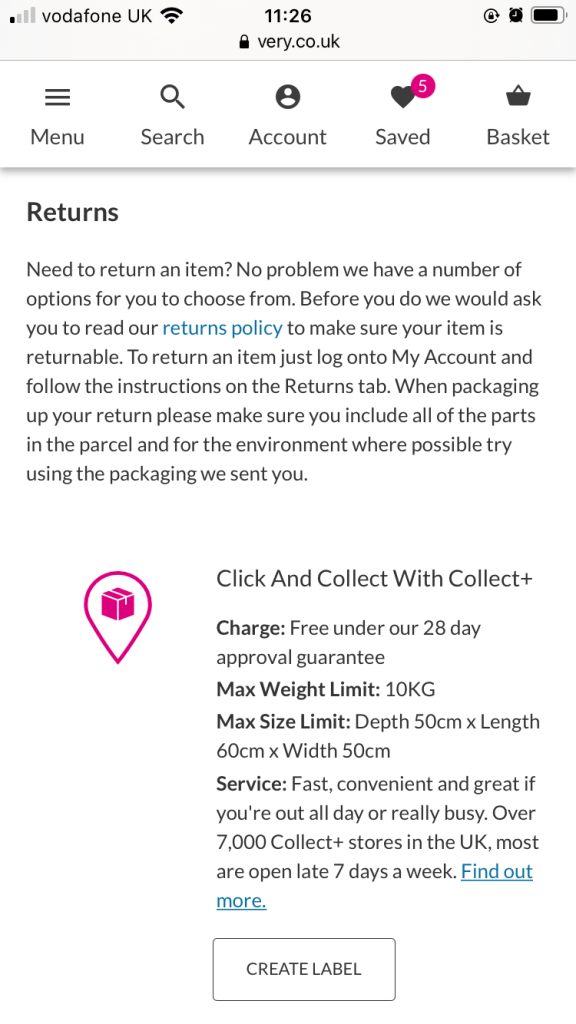
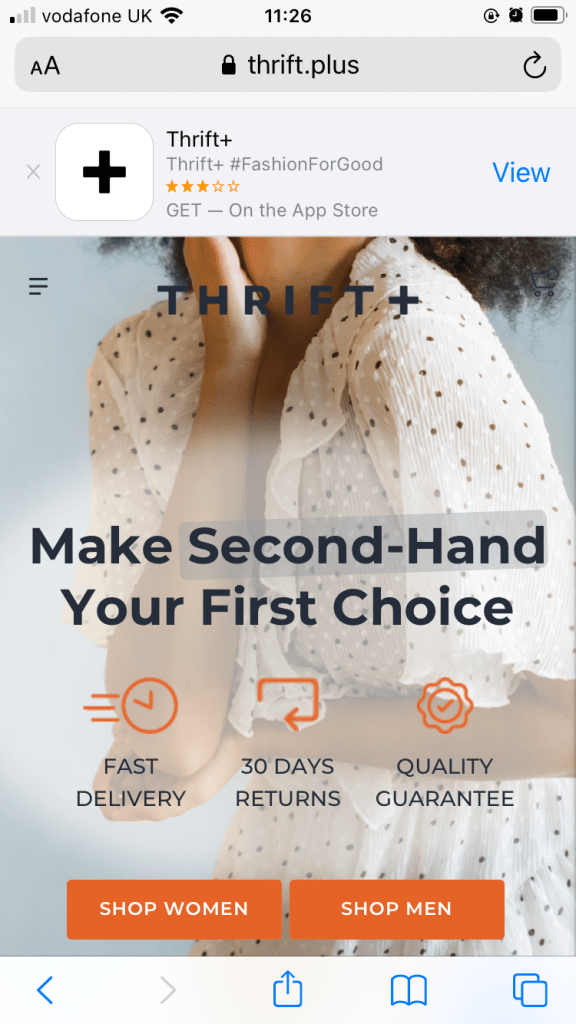
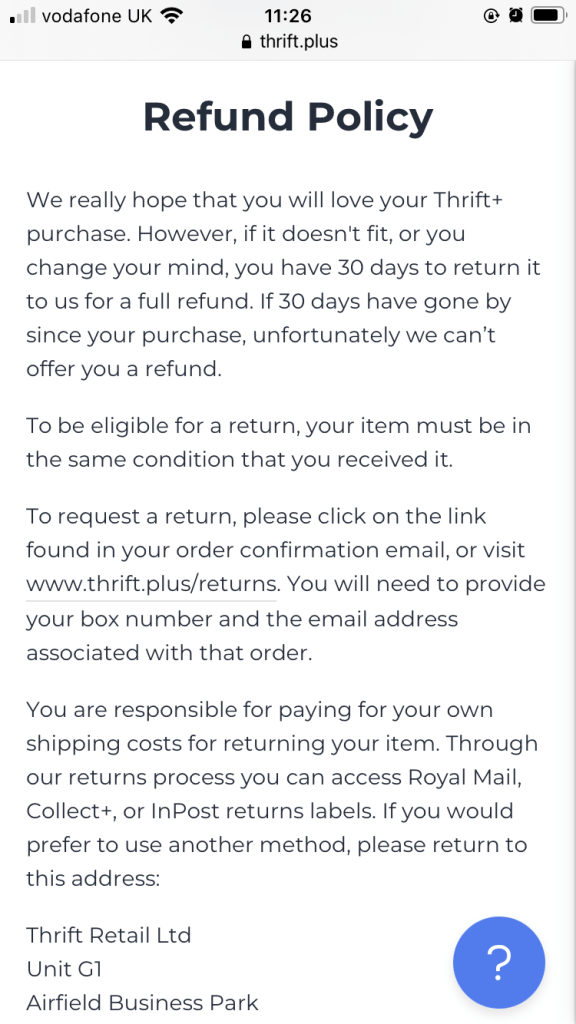
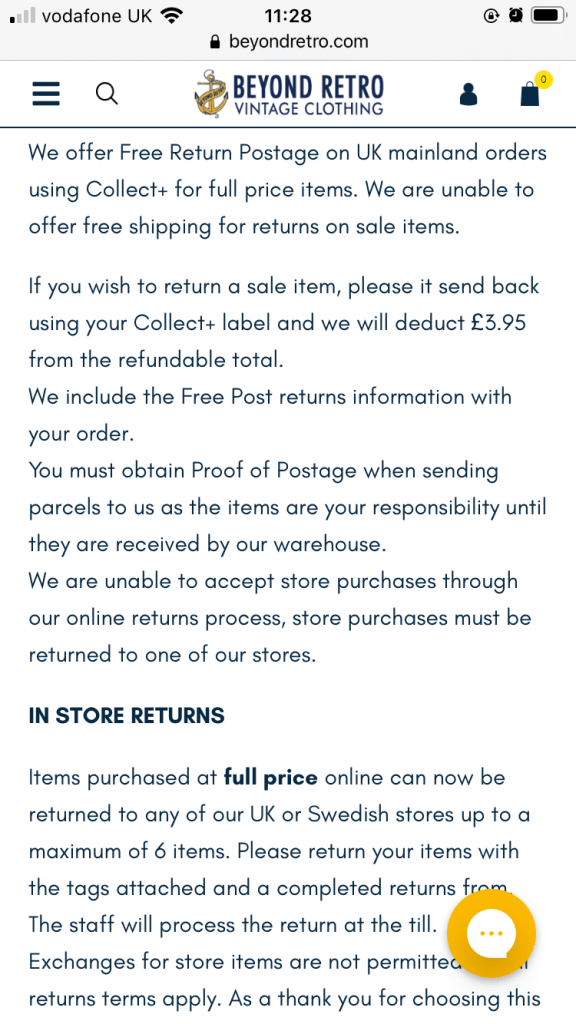
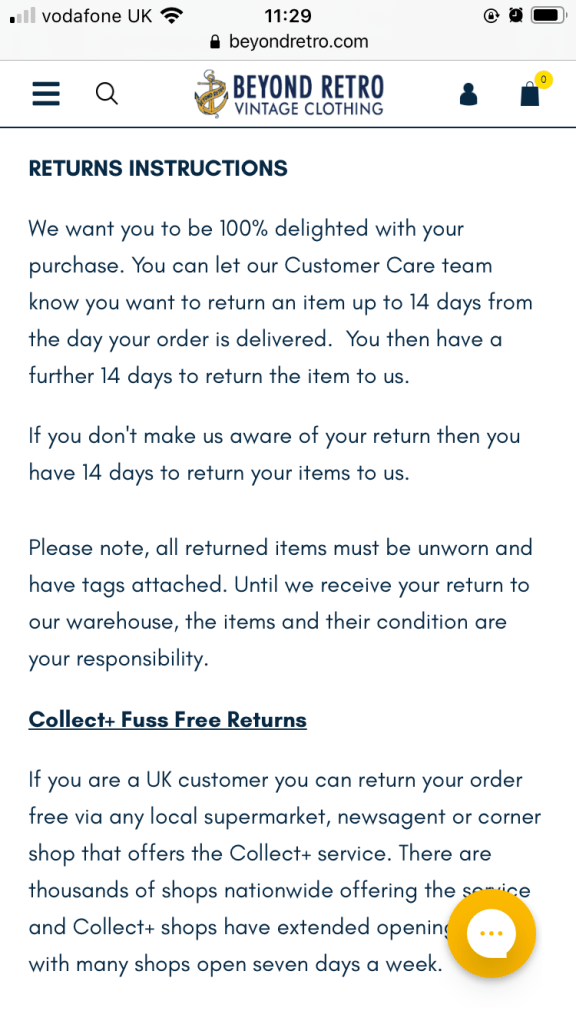
Most stores will now offer a free returns label; this is more likely to instil confidence in the customer so definitely something for me to think about presenting in my project response.
Summary
Ideas for my concept:
- An online store which would display on mobile for user convenience, with an in-store textile warehouse where customers can bring their own clothes (like the catchphrase ‘bring your own booze’!) and customise them from materials recycled from second hand or damaged clothing/textiles. For instance, buttons and zips can be salvaged.
- The identity and logo showcases the beauty of textile fibres and elements, I’m thinking of using macro photography as images and potentially toying with a black and white theme but I will need to experiment!
- Really drive the sustainability element as a) it’s important and fundamental to the fashion industry to buy second hand garments/textiles and b) sustainability has a large market as it is a popular trend for 21st century.
- The logo for the brand can be based off elements in materials – such as an illustration of a jeans button
 jesswhatley.design.blog