
Reference Material
Visual Impact; Creative Dissent in the 21st Century
- How technology has benefited protesting and political activist movements – a wider reach across the Globe and an easy, accessible method to develop and support campaigns.
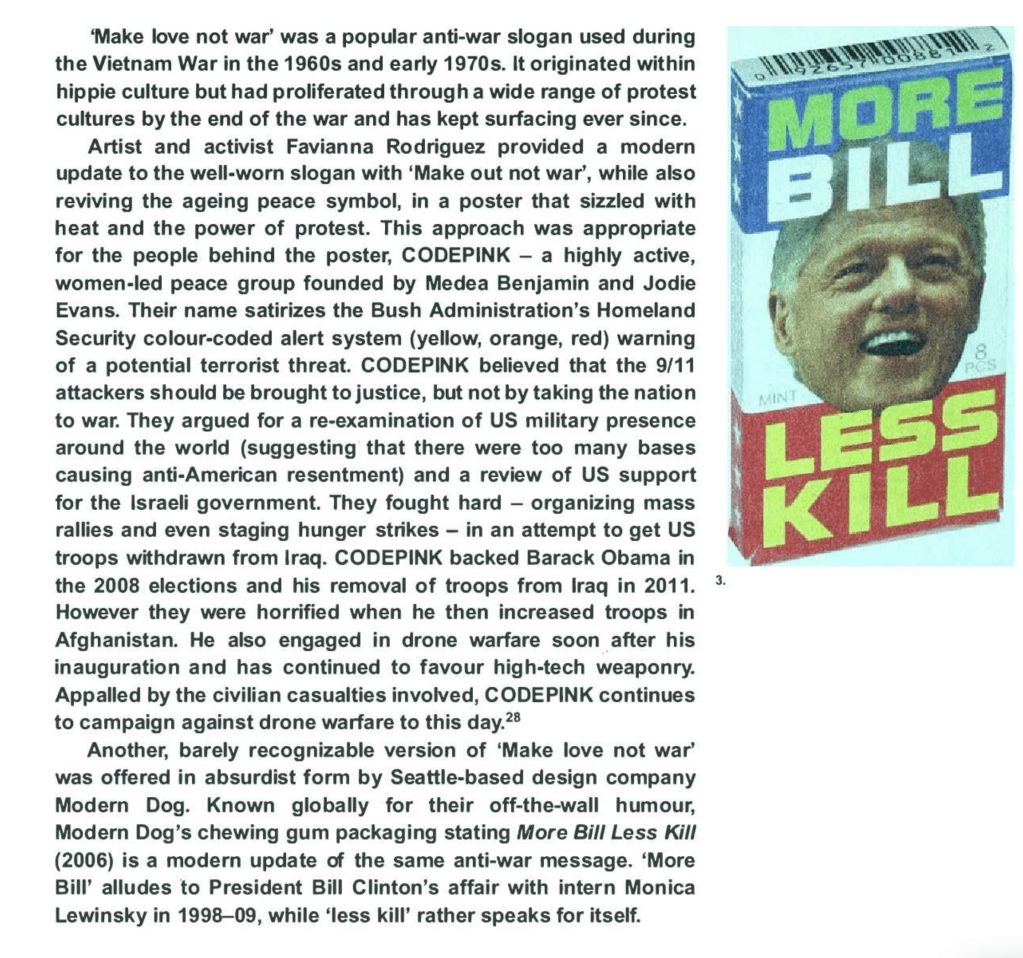
- More Bill Less Kill packaging for chewing gum bu graphics studio Modern Dog, USA 2006
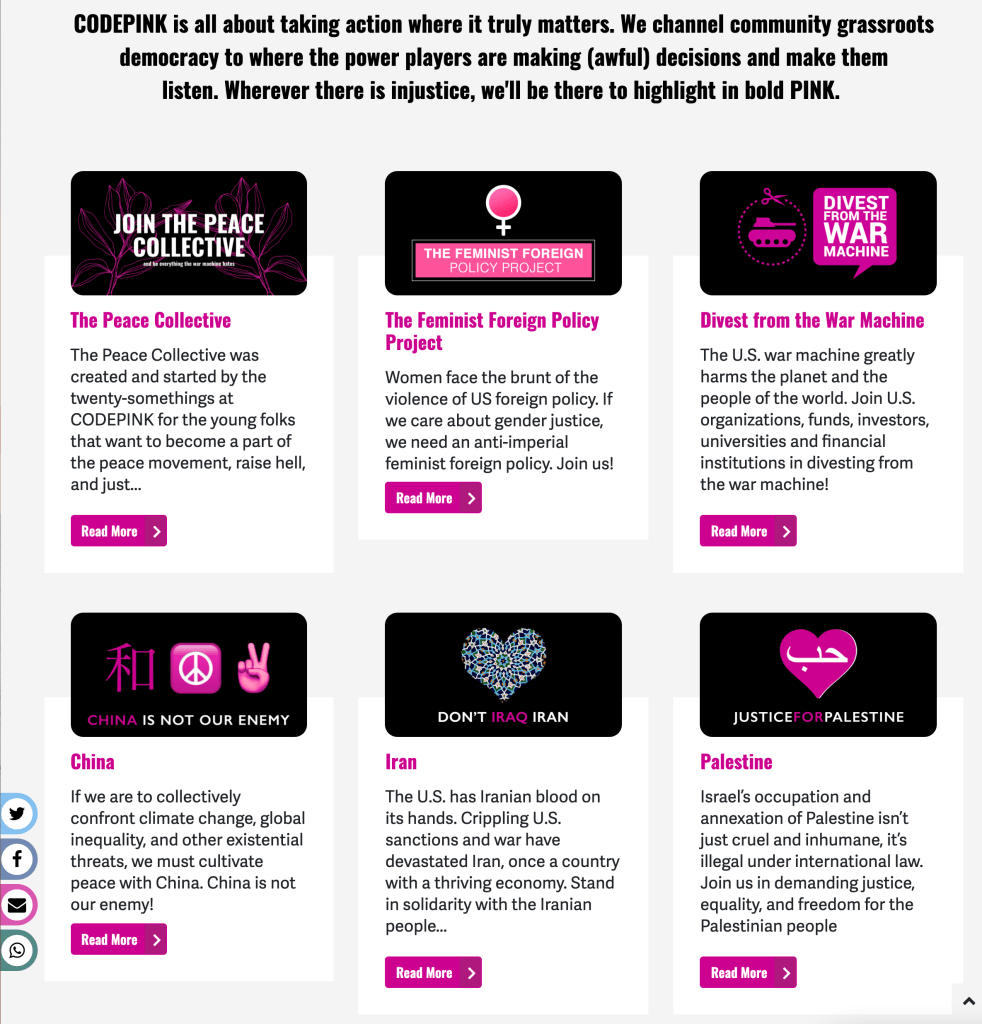
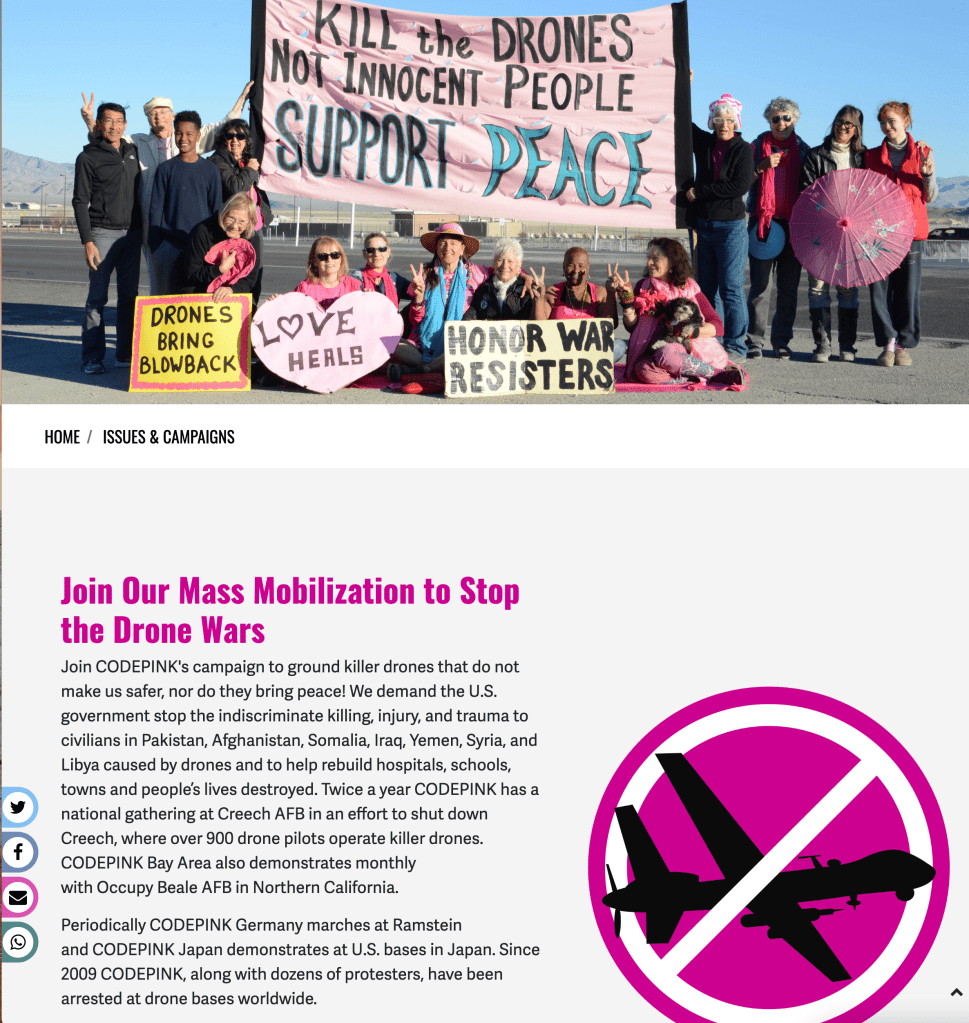
CODEPINK
- Codepink is a women-led grassroots organisation working to make a change in the world (although not specifically just women – men and gender fluid people can join too). They have several campaigns live which you can choose to campaign along with on their site below. Most importantly, they do not use violence of any degree, no weapons, only respect and honesty. Their impact is powerful – peaceful protesting:
- “Actions and images of the global War on Terror were subsumed into popular culture in interesting ways” – the boardgame named ‘War on Terror: The Boardgame’ (2006) (pictured below). This is absolutely a contraversial game – designed to question what is happening in the world and differentiate from right and wrong. It’s interesting to see how progression of popular culture takes inspiration from political agendas. With the global access to all information/news, it’s easier than ever to obtain information and develop projects (in this instance a game) inspired from these events.
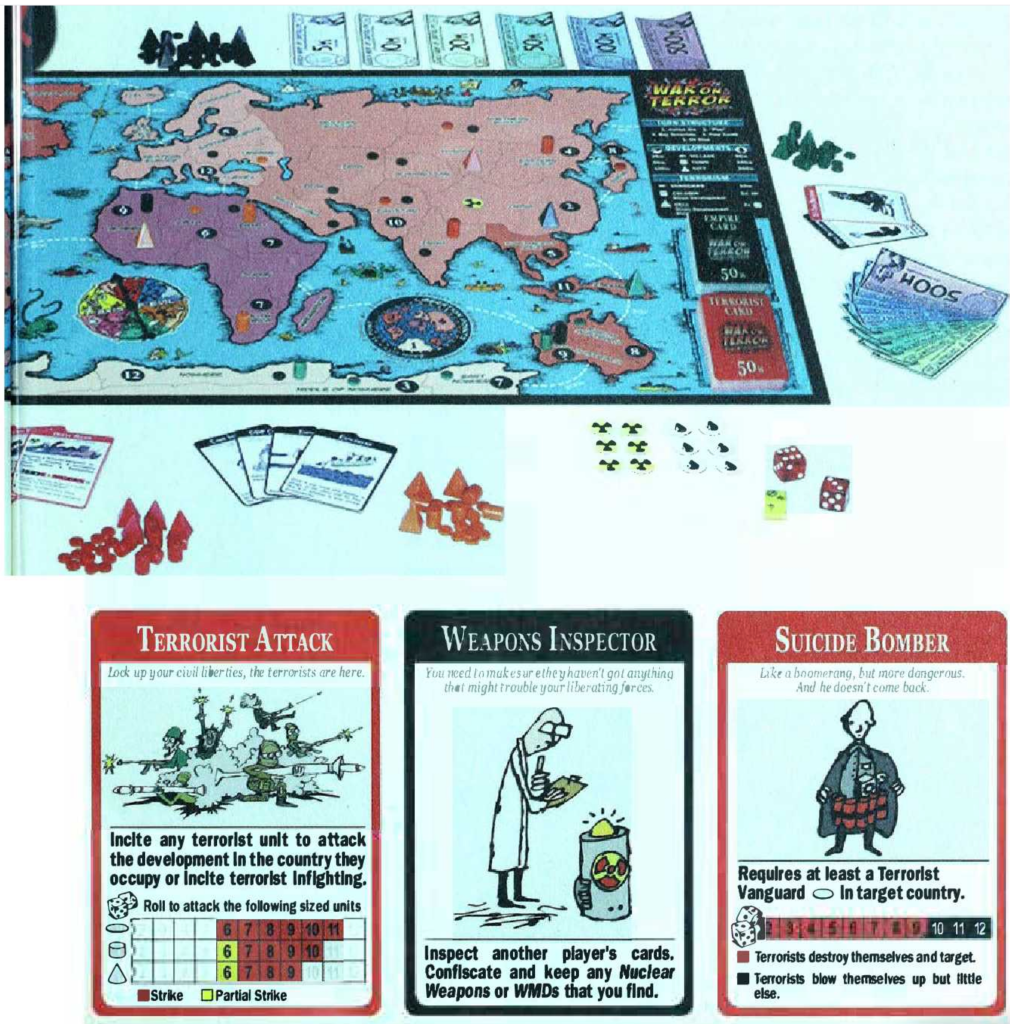
- How technology is able to put a spin on political agendas and change the tone to suit different audiences – this is hugely important when it comes to elections and art. As the above game example showed, the game turned something really sinister into a humorous game to meet its audience’s expectations. I actually think of PS4/Xbox games when thinking about this – these war games are normalising life on the frontline. How healthy is this and what are the long term impacts?
Design Anthropology: Object Cultures in Transition (Chapter 4, Valuable to Values: How ‘User Research’ ought to change)
1 
2 
3
1 – User-centred design is now the heart and soul of companies globally. It’s no longer ‘unique’ and projecting a business beyond its competitors; all companies are implementing similar practice. For example, marketing and website design seems to all blur into one… Where is the advancement? User centred design needs to develop further for it to remain relevant to today. Maybe the first step in this direction is to take a step backwards and question whether the current business administrative processes are relevant to the audience, the brand values and the type of work it generates.
2 – In order for difficult decisions around ethical values in a business to be discussed, it’s beneficial for the individuals that are directly involved and working in/around the specific areas to identify the key areas for improvement and act upon it. It’s now a question of how do companies support these employees in a way that enables the solutions to be achieved? Through growth, experience of new skills and application of the blueprint process.
3 – Understand the current world and the ‘now’ which will help to progress ideas to stay relevant for the business. Consider the audience through individual, social and cultural influences; why do people think the way that they do and why they need what they think they need? These are the starting points many brands start with in order to capture answers.
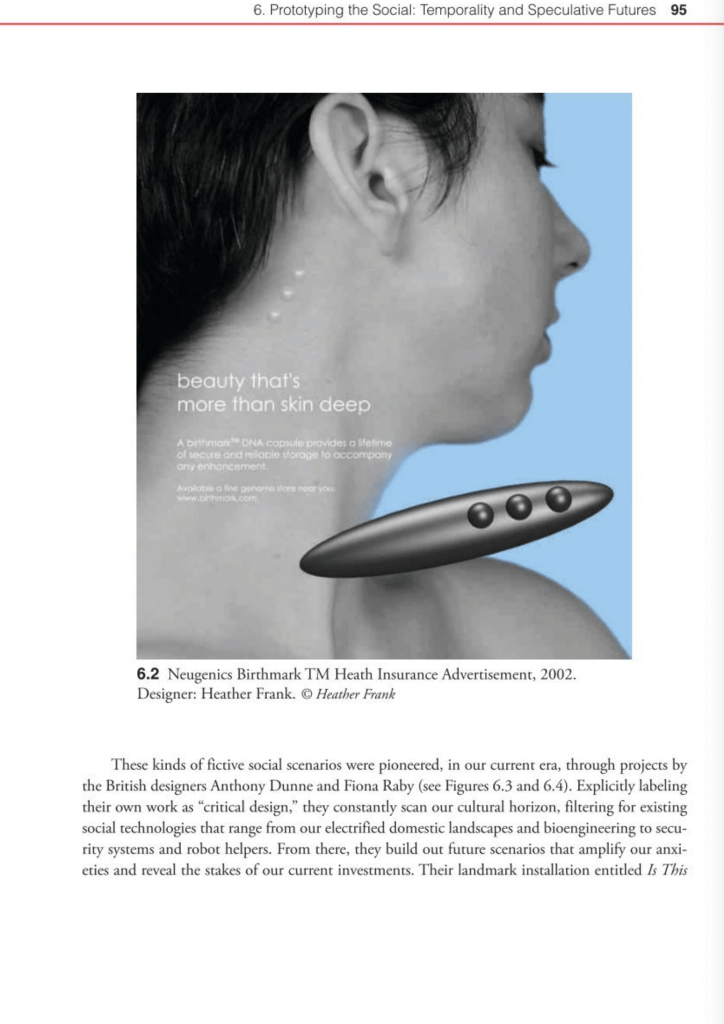
Design Anthropology: Object Cultures in Transition (Chapter 6: Prototyping the Social: Temporary and Speculative Futures at the Intersection of Design and Culture)
1 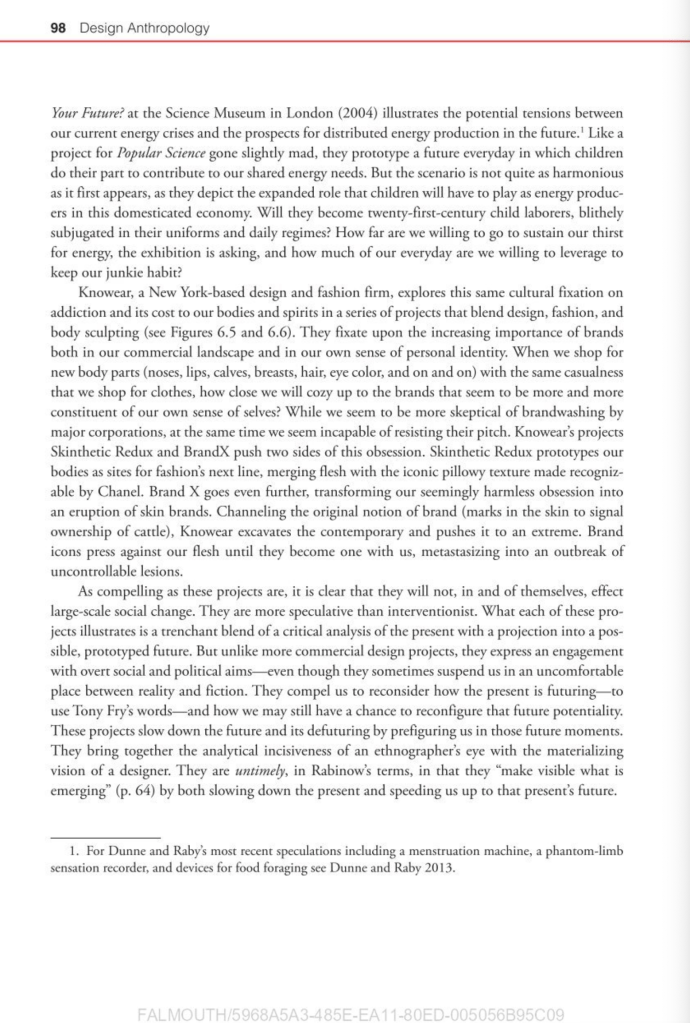
2
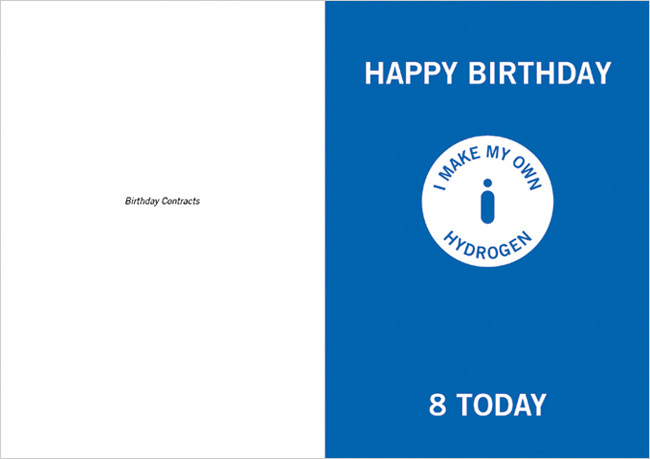
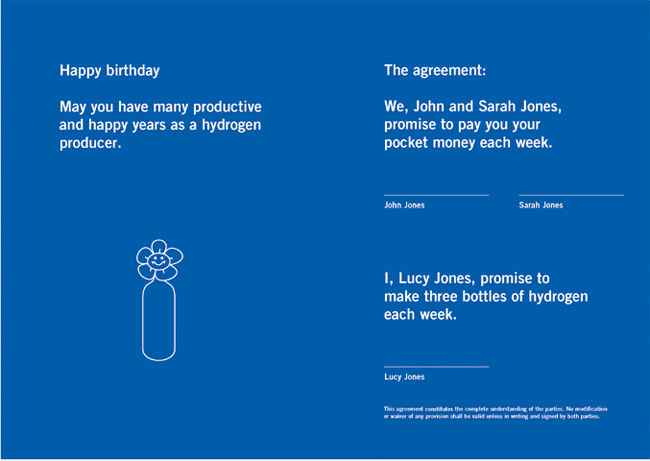
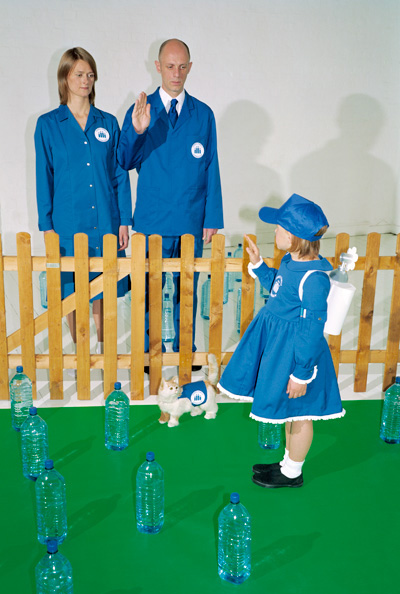
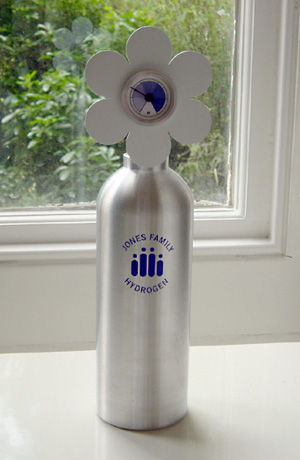
1 – Anthony Dunne and Fiona Ruby “Is this your future?” exhibition at the Science Museum, 2004:
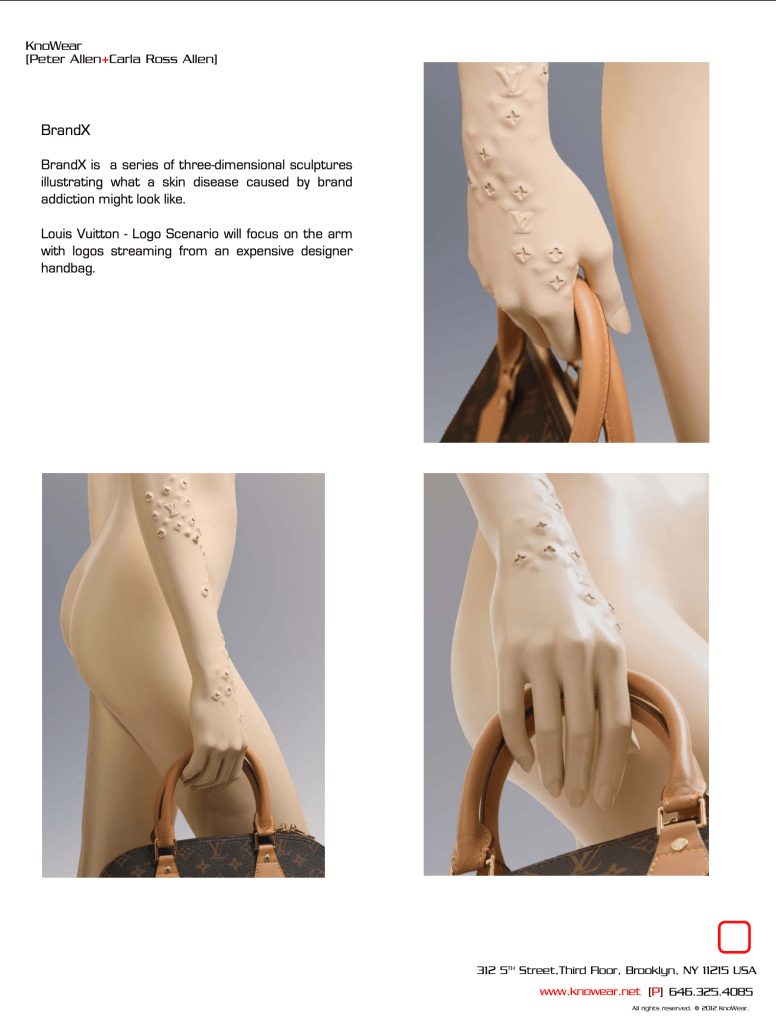
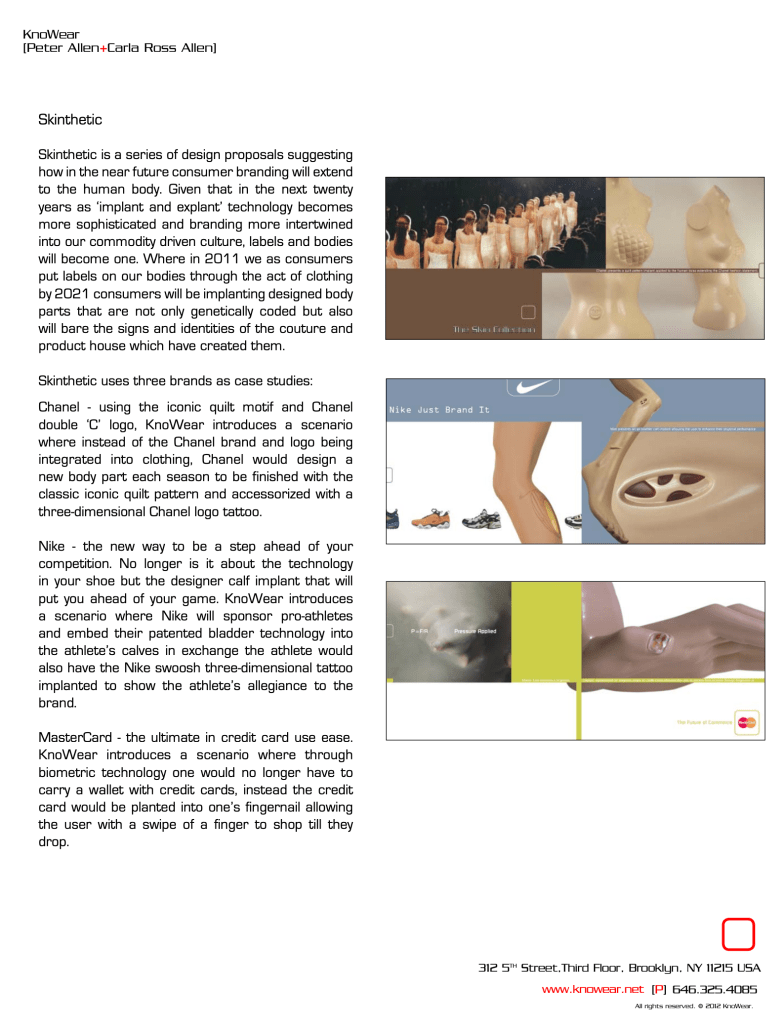
2 – Carla and Peter Ross Allen Knowear “Skinthetic Redux” photography for book titled Made In Code, 2011:

 jesswhatley.design.blog