
References
Intel Visual Life – Michael Wolff
Michael mentions in his video that people are essentially packaging themselves in a way that presents who they are. I think that’s ultimately a great definition of branding and how it works – the brand should accumulate all the qualities that makes the brand and communicate that visually to consumers.
The three muscles of design:
- Curiosity/Inquisitiveness.
- Appreciation/Noticing.
- Imagination.
I have personally learnt from my own experience that these three factors above will expand your knowledge and understanding of the world in itself – not just design. To be naturally inquisitive, asking questions and understanding why things are the way they are will always be a valuable quality to have. For example: I explored Saltwater Brewery’s beer can rings (I reference this in my quadriptych research this week, the next page) – initially the product was experimented with using seaweed, but this was harmful to wildlife as it was sharp when washed up ashore and dried out. I did not realise how although things may be biodegradable, it may still be harmful – this is why it’s good to ask questions like “what happens if this beer can ring washes up on beaches?”

Michael Wolff: Why all the poor logos?
This article by Design Week is a great read. Wolff criticises and applauds brand logos, using terminology such as “visual nonsense”. Criticism for brand logos such as Natwest, Addison Lee, and British Steel all indicate a lack of personality. Dull colours, no real meaning behind the shapes/typeface, and low budget design. Brands such as Caffé Nero, Itsu, Apple, and Transport for London all receive praise and that’s due to the leaders recognising the potential for the brand, i.e. how influential and recognisable their logos would be worldwide. The very principle behind design is to convey meaning and communicate a message. A brand will always have a purpose and some brands are creating logos just because they can, not to communicate their brand. That is why brand logos need to be communicating what the brand is essentially all about – the logo/branding must ultimately become a snapshot into the brand itself.
I learnt from this article how effective logo design in branding is created – there are three steps that involve: the leader of the company, the design consultant and a selection of designers. Wolff goes on to explain that in order for design consultants to create the best design for clients, they must understand the client and work with them, not for them.
Visuelle website research:
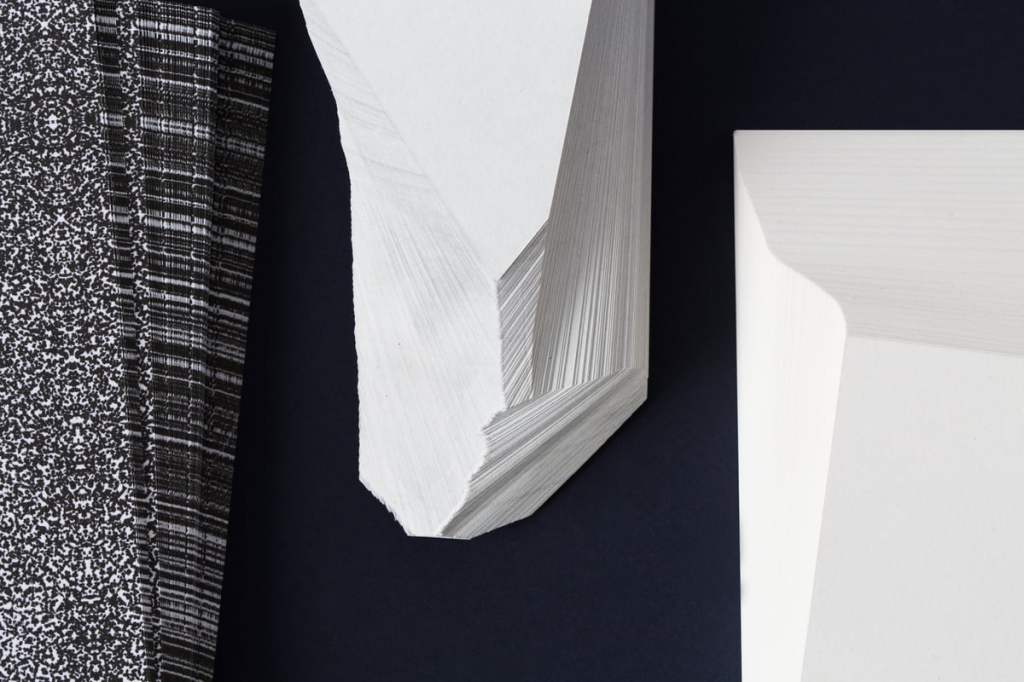
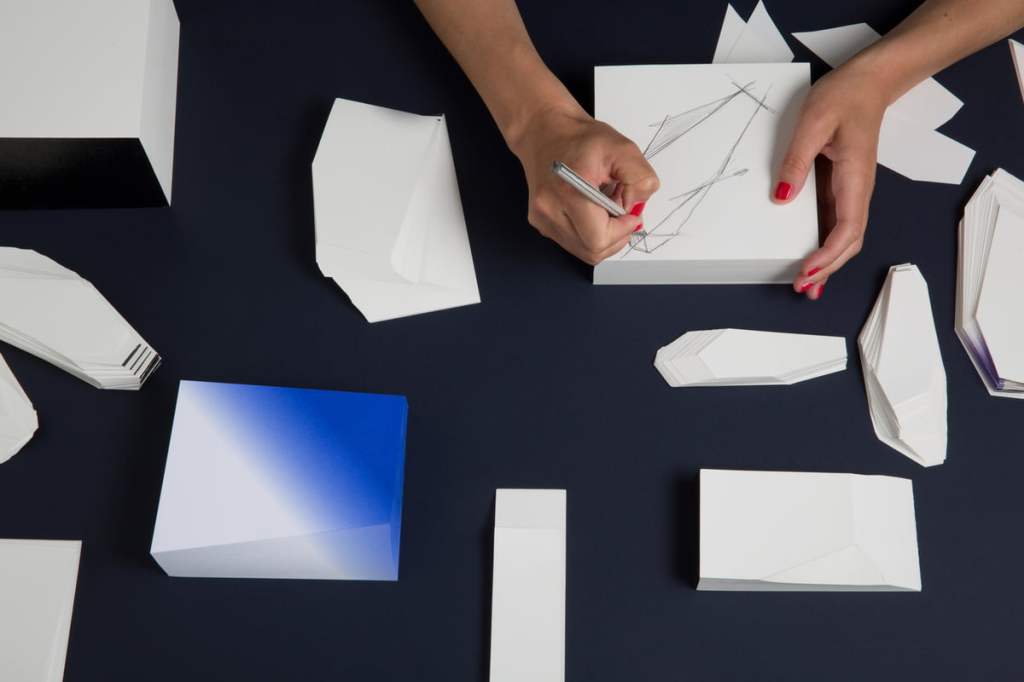
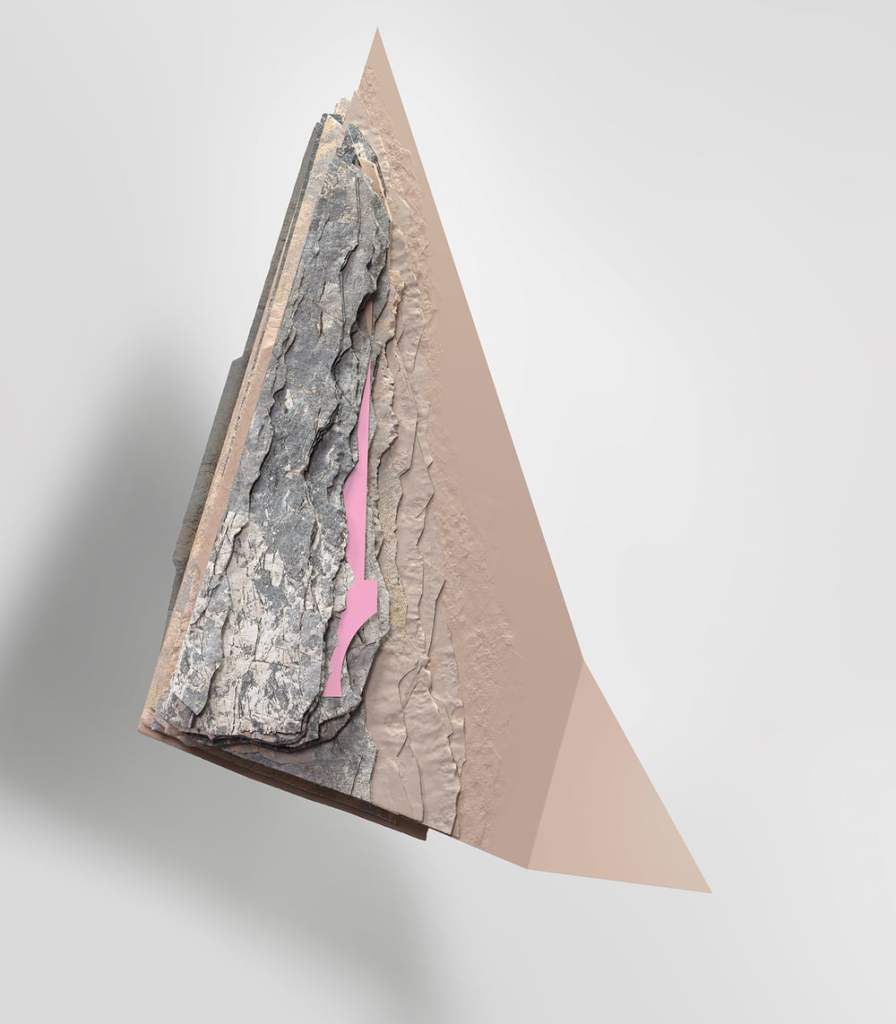
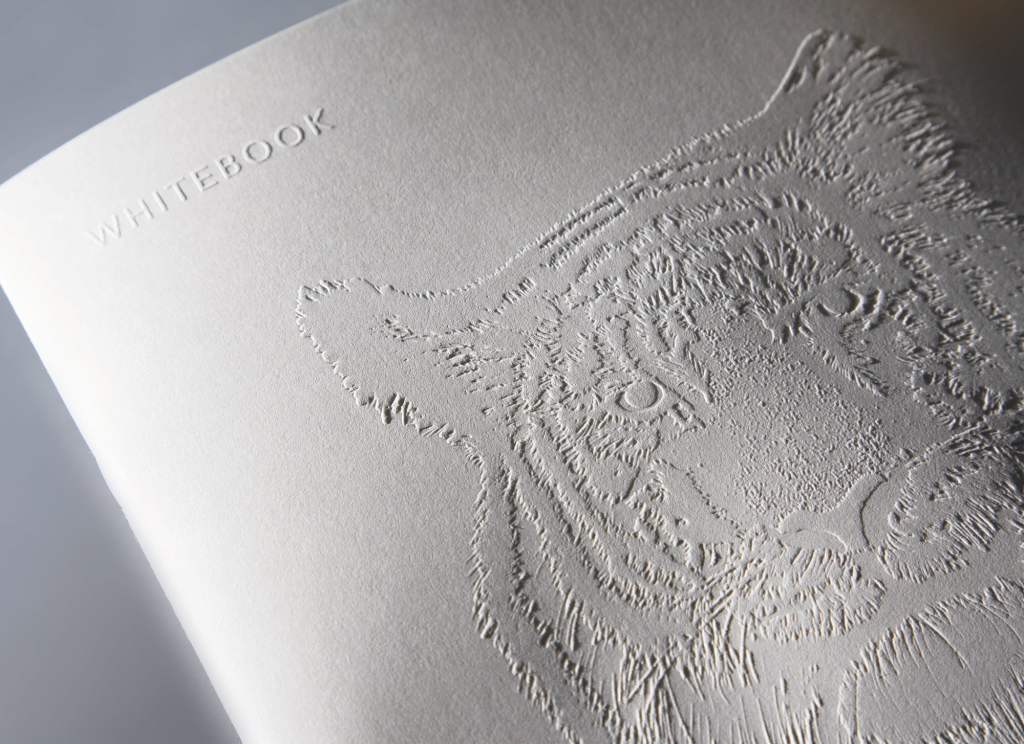
I find textures inspiring and colour palettes really fascinating in the design world; how much colour can influence a viewer and how texture plays a part in the communication of a product. Arctic Paper really caught my eye on this website, with visually striking illustrations that have a strong resemblance to mineralogy (one of my interests/hobbies as a collector).
“Exploring the interaction between the tactile and digital world – our new Design collection showcases each paper shade and surface within the uncoated Munken Design Range together with the coated Arctic Volume Range. The Design Collection gives a complete overview of the grades, making it easier for Creatives to select the perfect paper match for their communication.”




 jesswhatley.design.blog