
Research
Audience: teenagers and phones
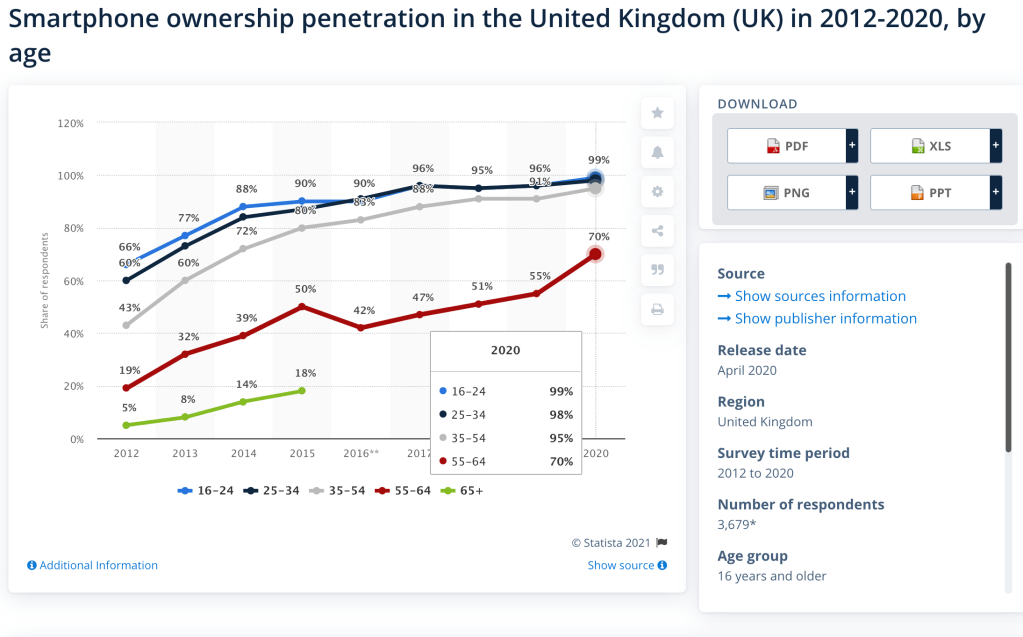
Smartphone ownership survey
Teens and mobile phones over the past five years: Pew Internet looks back
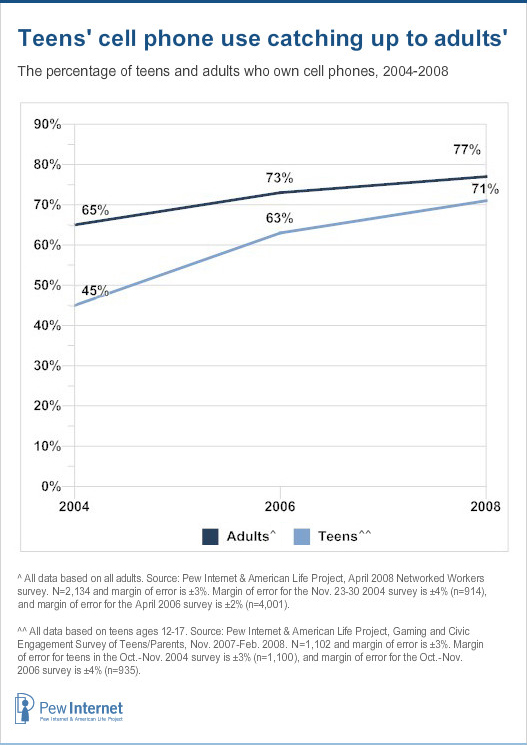
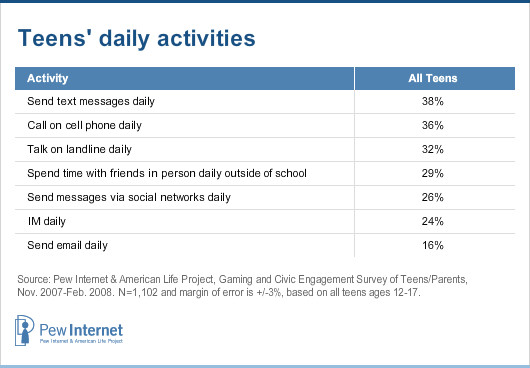
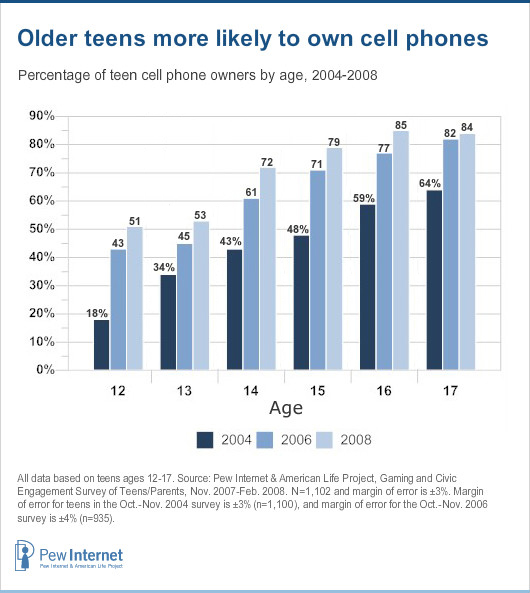
Just from the two sources above I have identified that teenagers are beginning to consume phones at the same level as adults ages 25-34. I am definitely going to address older teenagers aged 15-20 as my target audience in my project. I think this age falls halfway between both of the sources above, and this age bracket means teenagers are old enough to be responsible and understand information relating to what the problem is with smartphone consumption. They can then consider taking steps towards reducing the harmful impact.
Scientists put an iPhone in a blender to find out what mobile phones are really made of
The researchers concluded that a hefty 10 to 15 kilograms (22 to 33 lbs) of ore, which minerals are extracted from, would need to be mined to produce a single smartphone.
Elements – and minerals – of power in our Internet economy
These metals create brilliant colors on our smartphone screens, powerful batteries in our hybrids and more energy-efficient air-conditioners. They each perform a very specific role, so much so that the smartphone itself contains half the elements known to man, from the indium that serves as a transparent conductor to let the phone respond to your finger to the neodymium that helps create crystal clear sounds.
The quote above has surprised me as I didn’t realise that even things relating to touch technology use sound use minerals; then again thinking about it I’m not sure what I expected them to be made of – metals I suppose, but not really strange elements such as indium and neodymium.
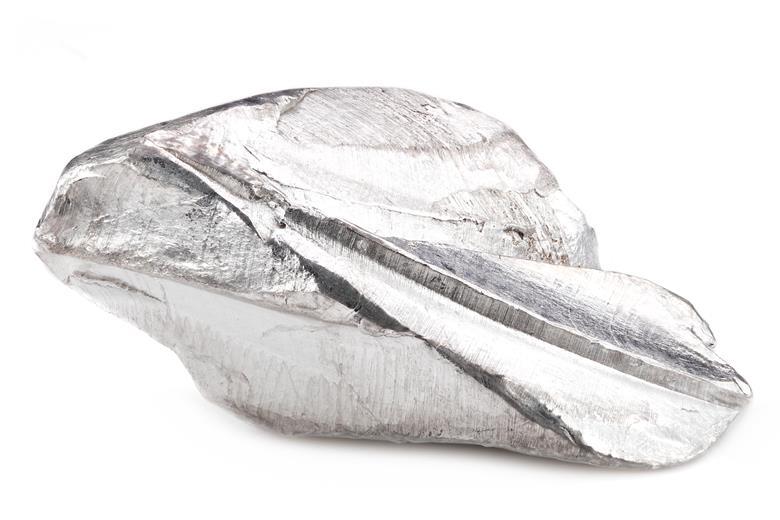
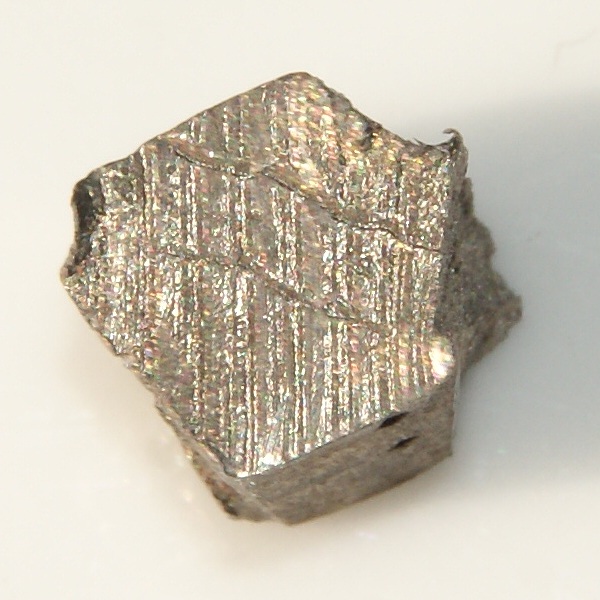
And yet, I would argue, the answer to our concerns about rare metals is not to shy away from using them because of our geopolitical supply fears. Rather it is to search for more sources, use them more efficiently and advance our knowledge of geology, metallurgy and material science as well as establish efficient recycling systems.
The above quote interests me as it suggests there is currently there is an issue with sustainable sourcing of minerals/materials, and rather than looking to other materials that are man-made or in larger availability; simply figure out how to recycle appropriately. What kind of recycling is out there for technology?
• Local recycling stations/tips
According to recyclenow.com:
Electrical items contain a range of materials that can be separated for recycling and used in new products, such as plastics and precious metals including gold and copper. All this saves resources and energy. If electrical items end up in landfill, hazardous substances will leak out and cause soil and water contamination – harming wildlife and even human health.
Mobile phones contain:
- precious and semiprecious metals such as gold, platinum and palladium, a variety of which can be recycled into component plating and low voltage electrical contacts; palladium plays a key role in the technology used for fuel cells. Metal can be extracted from batteries too.
- zinc which is used to galvanise steel; it can also be mixed with copper to make brass. Ships and submarines use zinc blocks to stop rust forming.
- plastic which may be granulated and reformulated for use in mouldings.
- valuable components such as flash memory devices which can be recovered and downgraded.
- useful parts which can be re-used such as aerials, battery connectors, PCBs (printed circuit boards), connectors including gold-coated edge contacts on PCBs, ICs (integrated circuits), keyboards, LCD screens, lenses, microphones, phone housings, screws, SIM card assemblies and speakers.
This information could be used in my awareness campaign; educating people on how to recycle their phones could be really effective and beneficial in today’s society.
 jesswhatley.design.blog